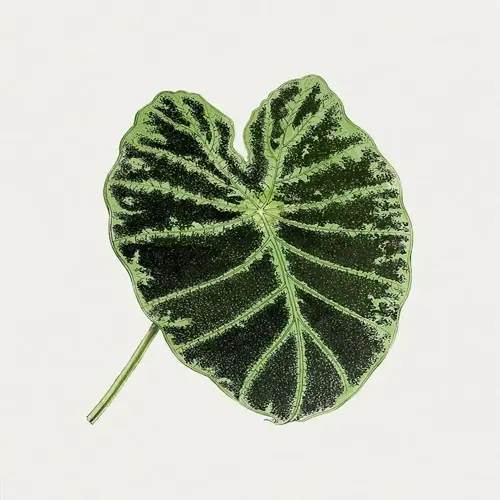

"That zebrina on your windowsill is done for," my friend said over coffee, tipping her mug at the bare pot. The corm had dropped every leaf by November and sat there like a dead lump of soil. I left it alone all winter. By March it pushed out three fresh leaves on its own.
Here is the real story. Most alocasia difficulty comes from a few errors you can dodge. It is not a curse on the plant. These plants are picky about water, light, and air. They also go dormant in winter. Get those four things right and you will find them far more predictable than their reputation suggests. Almost every dead one I have seen failed for one of these reasons.
The watering trap kills more of these plants than anything else. You water on a fixed schedule, say every Sunday, instead of checking the soil first. Your alocasia hates sitting in wet soil. Constant moisture leads straight to overwatering root rot. The roots suffocate, turn brown and mushy, and your plant collapses fast. Once the rot takes hold, you rarely save it.
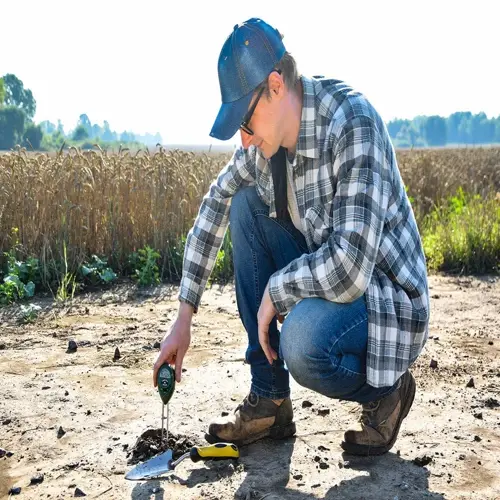
Check the top 2 inches (5 cm) of soil with your finger before you reach for the watering can. Water only when that layer feels dry. The dry-down between drinks gives the roots air, which is exactly what they want. Skip the calendar and let the soil tell you when it is thirsty.
Your pot and your mix matter just as much. Use a pot with drainage holes so water can escape. Use a chunky, airy mix that does not pack down. Poor drainage holds water around the roots even when the surface looks dry. That hidden wet layer is where rot starts, so fix it before you blame the plant.
Light is the next quiet killer. Stick your alocasia in a dim corner and it slows its whole life cycle to a crawl. New leaves come out small or never open at all. Your plant weakens over months until one stress event finishes it off. You want bright indirect light near a window, not direct midday sun and not the back of a dark hallway.
Dry air is the third trap, and it shows up fast on the leaves. Your heated rooms in winter often drop below 60% humidity. That is when the leaf edges turn brown and crispy on you. Alocasia comes from humid tropical forests, so the dry indoor air of your home stresses it. Put a humidifier nearby or move your plant to a bright bathroom to keep the leaves whole.
A bare pot in winter is almost never a dead plant. The corm stays alive underground and pushes new leaves in spring. Keep the soil barely moist, move it out of the cold, and wait before you toss anything.
The last trap is the one that fooled my friend over coffee. Winter dormancy is natural for these plants. Your healthy alocasia can drop all its leaves when the days get short and cold. You see a bare pot, assume the worst, and throw out a plant that was only resting. The corm holds its energy underground through the cold months and waits for spring.
So treat dormancy as a rest, not a death. Cut back on water while the plant sleeps and keep it somewhere that stays above freezing. You do not need to fertilize a dormant corm or fuss over it. When the light returns in spring, the new growth comes on its own. Patience is the only tool you need here.
Avoid those four traps and most of the alocasia difficulty disappears. Check the soil instead of watering by the calendar. Give it a bright spot. Keep the air humid. Leave dormant plants alone. Do that and the plant rewards you with bold new leaves every spring, year after year.
Read the full article: Alocasia Zebrina Care Guide