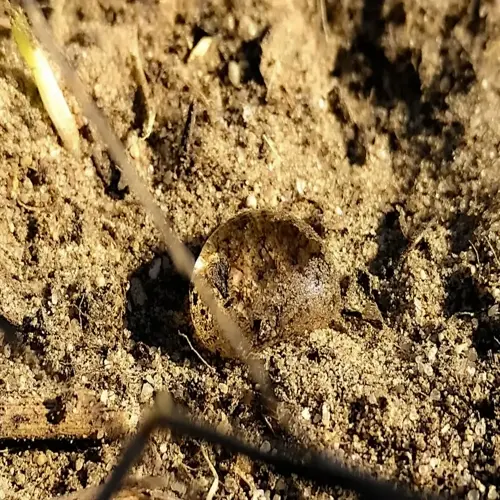

My first hugelkultur harvest came out of the damp back corner by the woods edge, and the potatoes were tiny. Most were the size of marbles. A few grew with strange knobs and forks, like they had wrapped around something underground. I dug deeper to see what went wrong. The fork kept hitting soft pockets of loose soil, then a half-buried log right under the row.
You should skip potatoes hugelkultur beds in the first year because a fresh mound is too loose and uneven for good tubers. The issue for you is mostly timing, not the method itself. Root crops hugelkultur plantings tend to fail early, while the same bed grows them well once it settles. Your mound just needs a season or two to break down and firm up before you trust it with potatoes.
A new mound is full of woody pockets and air gaps that throw off how your tubers grow. Potatoes need steady, even soil pressed around them so they can swell into a smooth round shape. When your soil has hollow spots, the tuber grows into the gap and comes out oddly shaped. Hit a buried log and the potato just stops, or it forks around the wood. That is why your potatoes hugelkultur harvest looks so rough the first time.
The settling makes it worse for you. A fresh pile drops several inches over its first season as the wood and leaves rot underneath. That sinking moves your potatoes around and changes how deep they sit in the bed. Consistent depth matters because tubers exposed to light turn green and bitter. Soil that keeps shifting can not hold your crop at the same level all season long, so some potatoes end up poking out at the top. You can not hill them up to fix it either, because the loose mound keeps slumping away from the stems no matter how much soil you add.
Growers have written about this for years, so you are not the only one to hit it. MOFGA noted that root crops underperformed in their hugelkultur trials. A Way to Garden gives you a simple rule worth following. Skip the heavy feeders in year one and let the bed mature first. A young mound is still pulling nitrogen as the wood breaks down, so your hungry crops get shortchanged when they need food the most.
Press a stake into your new mound before planting. If it sinks fast or hits a hollow spot, that row is still too loose for potatoes this year, so save it for greens or beans instead.
Grow the right crops for your first year hugelkultur planting instead. Leafy greens like lettuce, kale, and chard do great because their shallow roots love the loose top layer of a young mound. Squash and pumpkins sprawl across the slopes and soak up the extra moisture the buried wood holds for you. Bush beans and pole beans work well too, and they add nitrogen back as they grow, which feeds the bed and helps it settle faster.
Wait until year 2 or 3 to try potatoes and other root crops in that same spot. By then your mound has stopped sinking and the soil has firmed into something even and reliable. The buried wood has also rotted into rich, dark crumbs that hold water and feed the roots all season. Carrots, beets, and potatoes all do far better once you give them that settled mix to grow in. Spend the first season on the easy crops above, and your later root harvest will reward the patience you put in early.
Read the full article: Hugelkultur Beds: A Practical Guide