Shrub · Ericaceae
Drooping Leucothoe
Leucothoe fontanesiana
Feed it shade, acidic soil, and steady moisture, and this arching evergreen puts on a show every month of the year.
Partial shade
Every 3–7 days
USDA 5–8
2–6 ft · 0.6–1.8 m
Overview
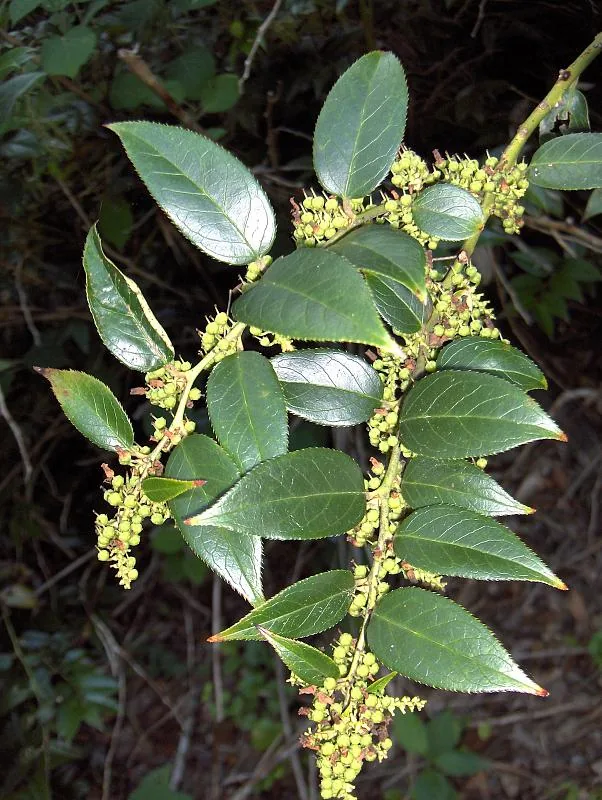
Drooping leucothoe is a low, spreading evergreen shrub straight out of the southeastern mountains, where it thrives along shaded streambanks and woodland slopes. Its arching stems fling out glossy, leathery leaves that cascade in tiers, and clusters of small white flowers dangle beneath the branches every spring. It runs with the heath family alongside azaleas and rhododendrons, and it chases the same cool, acidic, woodland soil they love.
This plant seizes the shade. It powers along where other shrubs give up, packing the dim ground beneath trees and softening the base of taller plantings. Turn it loose and it suckers into a broad colony, and that habit is exactly how it landed the name doghobble, back when its tangle of low stems used to snag hunting dogs across the southern woods.
Growing it well is all about winning at the roots. It craves steady moisture and acidic ground, and it flatly refuses drought, drying wind, and hot afternoon sun. Deliver those and it rewards you with easy year-round color, holding through the cold and firing up bronze or burgundy in winter.
Care
The short version: drop it into partial to full shade with moist, acidic, humus-rich soil, keep the ground evenly damp since it won't take drought, and tuck it away from wind and harsh sun.
Light
Drop leucothoe into partial to full shade, where it truly comes alive. It handles a little partial sun too, but only where the soil stays reliably moist, since sun and dryness together scorch the leaves fast.
Water
Keep the soil consistently moist and never let it dry out, because this shrub simply won't take drought. Water every 3 to 7 days as the weather dictates, and step it up if it lands in a brighter, sunnier spot.
Soil
It hunts for moist, acidic, humus-rich soil that still drains well, and it takes anything from sandy to clay ground as long as that holds. Hit a pH of 4.5 to 6.0, firmly on the acidic side, the same range azaleas chase.
Temperature
This shrub is cold-hardy and shrugs off temperatures down to -20°F (-29°C), while taking summer heat up to around 90°F (32°C) in stride. In the coldest reach of its range, a sheltered spot carries the evergreen leaves through winter clean.
Humidity
Everyday outdoor humidity works fine, so there is no number to chase. Air movement is the real prize, since stale, crowded air is what lets leaf spot creep onto the foliage.
Feeding
Feed it once in spring with an acidic, ericaceous fertilizer built for acid-loving plants. That single seasonal boost is all a slow grower like this ever needs.
Pruning
Leucothoe stays low maintenance and needs barely any cutting. Prune right after flowering to shape it, and when a colony runs leggy or overgrown, cut it back hard to fire up the whole stand again.
Repotting
Most plants go straight in the ground and stay put. If you run one in a container, repot every 2 to 3 years in spring, bumping it up when roots circle the pot or water blasts straight through.
Size & spacing
Expect a mature shrub of 2 to 6 feet (60 to 183 cm) tall that spreads wide, pushing out to 2 to 8 feet (61 to 244 cm) across as it suckers. Give it room to build a colony, and space plantings so air moves freely between them.
When to plant
Leucothoe is a hardy powerhouse for zones 5 to 8, and it launches best from a spring or early fall planting, giving the roots time to grip before summer heat or winter cold arrive. It blooms April to June, dangling rows of small white bells beneath the branches.
Northern hemisphere
Southern hemisphere
Typical months for a temperate climate: start earlier in warm zones, later where spring frosts linger.
- Plant: Spring or early fall
- Harvest: Blooms April to June (spring)
Hardiness
USDA hardiness zones: 5–8
Temperature: down to -29°C
Troubleshooting
Site leucothoe right and it barely puts a foot wrong, so when trouble shows up it usually traces back to the spot, not a pest. Scan the leaves first, because they flag stale air or dry soil fast. Match what you spot below and dial in the conditions behind it.
Wilting, scorched leaves, and a plant running out of steam
When the whole plant sags, point the finger straight at drought stress, because leucothoe absolutely will not ride out a dry spell. Wind and hot afternoon sun rip moisture away faster than dry or low-acid soil can pour it back. Rally it fast: soak the ground deeply to keep it evenly moist, pile on mulch to lock that water in and cool the roots, and shift the plant to a sheltered spot out of the wind and glare.
Fix:
- Water deeply and keep soil consistently moist
- Apply a layer of organic mulch to conserve moisture and cool roots
- Relocate or screen plants from wind and harsh sun
Brown or dark spots breaking out across the leaves
Those marks are fungal leaf spot, and it grabs hold when the air goes still and the leaves stay wet. Cram plants together or splash them from above, and it spreads fast. Get ahead of it: strip off the spotted leaves, sweep up the fallen debris, thin the plant to let air rush through, and send your water straight to the base so the foliage dries.
Fix:
- Remove and discard affected leaves and any fallen debris
- Improve air circulation by thinning or selective pruning
- Avoid wetting foliage; water at the base of the plant
Toxicity
Play this one straight: the whole shrub is poisonous, root to flower. Every part carries grayanotoxins, the same heath-family toxin that runs through azalea and pieris, and even a few leaves can seriously harm pets, horses, and livestock. Nothing on the plant is edible, so keep clippings and fallen leaves away from animals and children and wash your hands after pruning.
Toxic to
Cats · Dogs · Horses · Rabbits · Livestock · Birds · People
Cats Severe
A cat that chews any part will often start drooling hard, then vomit and get diarrhea within hours. Weakness and a wobbly walk can follow, and a bigger dose of the grayanotoxins drives blood pressure down and rattles the heartbeat, which is where it turns life-threatening, so move fast and call the vet.
Dogs Severe
Expect drooling, vomiting, and diarrhea to hit soon after a dog gets into the leaves. The toxin drains its strength and slows the heart, and a big mouthful can send it into collapse, so skip the wait and get to the vet.
Horses Severe
Even a small browse knocks horses back hard, bringing on colic, drooling, and a dull, sunken look. The grayanotoxins drain the muscles and throw off the heart, and a serious dose can drop the animal into collapse.
Rabbits Toxic
The same grayanotoxins that flatten cats and dogs make this plant a hard no for rabbits. Even a nibble can spark drooling, gut upset, and weakness, so stash the foliage and every trimming well out of their reach.
Livestock Severe
Grazing cattle, sheep, and goats can take a serious hit, showing drooling, weakness, and a loss of coordination. The poison scrambles the heart rate and rhythm, and a big feeding can end in collapse and death.
Birds Toxic
No part of this shrub is safe for birds, since the grayanotoxins pack the same punch across species. Keep pet birds and backyard poultry clear of the leaves, flowers, and any fallen clippings.
People Caution
Nothing here is edible, so it is strictly look and admire, never taste. Swallowing leaves or flowers can trigger nausea, vomiting, and a drop in blood pressure, and children should be kept from slipping any part into their mouths.
Keep clippings and fallen leaves away from pets and grazing animals; wash hands after handling.
Helpline numbers

United States
ASPCA Animal Poison Control: (888) 426-4435 (fee applies)
Poison Control: (800) 222-1222



Canada
Poison Centres: 1-844-764-7669
Varieties
Most of the named forms are grown for their knockout new growth and winter tints rather than the flowers. These are the ones you will run into most.
Girard's Rainbow
Its new growth bursts out marbled in pink, copper, and cream over green, which is exactly why growers grab it for a jolt of color.
Scarletta (Zeblid)
Fresh leaves blaze out deep scarlet-red, cool to glossy green through summer, and flip to burgundy-purple the moment winter lands.
Rollissonii
A compact form packing narrow, fine-textured leaves that read softer and finer than the plain species.
Whitewater
Cream-and-green variegated leaves ride along stems that sweep out in graceful arches.
How to propagate
Leucothoe is a joy to multiply because it spreads all on its own, and the easiest methods just ride the moves it already makes in the wild.
Stem cuttingsModerate
Summer · Several weeks to a few months to root
Grab some semi-hardwood cuttings in summer, dip the ends in rooting hormone, and hold the humidity steady to drive roots out. Give them several weeks to a few months to take. It is the tougher route, so shrug off a few misses and keep going.
DivisionEasy
Spring or early fall · One growing season
Leucothoe already suckers into colonies, so division hands you the easy win. In spring or early fall, lift the clump, split off the rooted suckers, and watch each one dig in over a single growing season.
LayeringEasy
Spring to summer · Several months to a year
Those low, arching branches throw roots wherever they hit the ground, so layering barely takes any effort. From spring through summer, pin a branch onto moist soil, let it root over several months to a year, then cut your new plant free from the parent.
Myths
Leucothoe is a safe, harmless landscape shrub around pets and grazing animals.
Do not let its easy looks fool you, because every part of this shrub is loaded with grayanotoxins, the same heath-family poison that runs through azalea and pieris. Even a few leaves can seriously sicken cats, dogs, horses, and livestock. Plant it well out of reach of curious pets and grazing animals and grow it with confidence.