Shrub · Ericaceae
Azalea
Rhododendron
Hand it acidic soil, dappled shade, and steady moisture, and the azalea pays you back with a spring you can hardly look away from.
Partial shade
Every 3–7 days
USDA 4–9
2–15 ft · 0.6–4.6 m
Overview
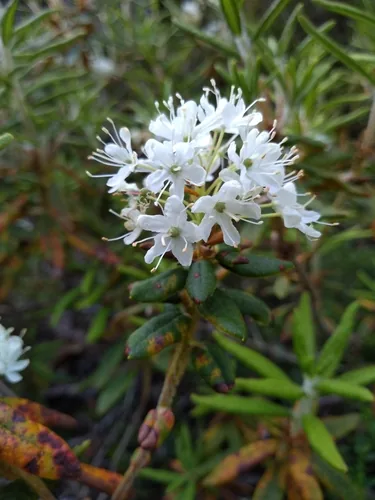
An azalea in bloom shouts that spring has truly landed. It rides in the genus Rhododendron within the heath family, and the name gathers up both the evergreen types that hang onto their leaves and the deciduous ones that let them go. Most keep to modest shrub size, though a handful of native deciduous kinds shoot up tall enough to pass for small trees.
Every azalea pulls toward the same things: acidic, well-drained soil and the soft, broken shade cast by taller trees. The roots travel shallow and close to the surface, which is exactly why the plant balks at both drought and waterlogged ground. Nail the soil and the spot and you land a long-lived, slow-growing shrub that asks for next to nothing.
The flip side is that a misplaced azalea speaks up quickly. Pile on the sun, the lime, or the water and you draw out scorched leaves, yellowing between the veins, or a shrub quietly rotting at the roots. Pair the plant with the right place and most of that grief never gets started.
Care
The short version: dappled shade, with a buffer from harsh afternoon sun. Keep the shallow roots evenly moist on about an inch of water a week, set the plant in acidic, well-drained soil packed with organic matter, and mulch to hold moisture without burying the stem.
Light
Azaleas crave dappled or partial shade, the kind of broken light that filters down through tall trees. They will take more sun in cool climates, but harsh afternoon rays scorch the leaves and roll out the welcome mat for lace bugs, while deep shade thins the bloom.
Water
Keep the shallow roots evenly moist on roughly an inch of water a week, with a deep soak whenever the top of the soil dries out. Water down low with a soaker or drip line instead of overhead, since wet leaves and flowers brew disease, and never let the ground go soggy or the roots will rot.
Soil
Set it in acidic, well-drained soil loaded with organic matter, with a pH between 4.5 and 6.0. Alkaline ground ties up iron and yellows the leaves, so test before planting and acidify if the numbers call for it.
Temperature
Azaleas hold up across a wide span, taking winter lows near -22°F (-30°C) and summer highs up to 95°F (35°C) depending on the type. Pick a variety rated for your zone and the plant breezes through the seasons.
Humidity
Everyday outdoor humidity suits them fine, so there is no number to chase. Air movement matters more than any reading, since still, damp air pooling around crowded plants is what lets leaf and flower diseases dig in.
Feeding
Feed just once, right after the spring flowers fade, with an acid-forming azalea or rhododendron fertilizer. Quit by early July so late, soft growth gets time to firm up before frost, and let the plant's look plus a soil test steer how much you apply.
Pruning
Prune right after the spring bloom, before the plant lays down next year's buds, or you will lop off the flowers to come. To rejuvenate an overgrown shrub, cut it back hard before spring growth begins and accept losing that year's blooms; pinch new shoots once they hit 6 to 12 inches to bush the plant out.
Repotting
Azaleas seldom call for repotting and would rather stay put. In a container, keep an eye out for roots circling the surface, water bolting straight through, or stunted growth and weak flowering, all cues it is time to bump up a size.
Size & spacing
Mature size swings hard by type, from compact 2-foot mounds to natives that reach 2 to 15 feet (60 cm to 4.6 m) tall and spread 2 to 10 feet (60 cm to 3 m) wide. Look up the variety's eventual size and hand it that much room so it never needs a hard chop just to fit.
When to plant
Plant azaleas in spring or fall, while the weather stays mild and the roots can dig in before summer heat or winter cold arrive. The main event hits in spring as the buds break open, and some evergreen and reblooming types fire off flowers again into summer or fall. Prune the moment the spring flowers fade, before next year's buds form.
Northern hemisphere
Southern hemisphere
Typical months for a temperate climate: start earlier in warm zones, later where spring frosts linger.
- Plant: Spring or fall
- Harvest: Spring (some evergreen and reblooming types flower into summer or again in fall)
Hardiness
USDA hardiness zones: 4–9
Temperature: down to -34°C
Troubleshooting
Most azalea trouble surfaces on the leaves first, whether it is stippling from pests, yellowing from the wrong soil, or a slow wilt that traces back to the roots. Catch those early signals and you can step in before a minor snag claims the whole plant. Match what you see below, then act while it still counts.
Drooping branches on a shrub that keeps going downhill
When a whole azalea wilts and slides downhill with nothing obvious wrong up top, look below ground for Phytophthora root rot gaining a foothold in wet, airless soil. Scrape away dirt at the base and you will turn up dark, mushy roots sitting in ground that never dries, usually because the shrub was set too deep or parked in a low, waterlogged pocket. No spray will save it, so reroute the drainage, cut back the watering, and replant into a raised, well-drained acidic bed with the root ball at or just above grade.
Fix:
- Improve drainage and stop overwatering
- Replant in raised, well-drained acidic beds, setting the root ball at or slightly above grade
Leaves losing color to fine stippling, undersides peppered dark
Meet the azalea lace bug, which goes hardest on shrubs roasting in hot, open sun. Turn a leaf over and you will spot flat, clear-winged adults or spiny black nymphs along with their varnish-dark droppings. Hit those undersides directly with horticultural oil or insecticidal soap, repeat the spray as fresh broods hatch, and keep the plant mulched and watered so stress never gives them an opening.
Fix:
- Spray horticultural oil or insecticidal soap on the undersides of leaves where the insects feed
- Repeat applications as needed to cover new generations
- Keep plants vigorous with mulch and adequate moisture
Foliage going yellow while a green vein network stands out
Yellow tissue with the veins still glowing green points squarely at iron chlorosis, the telltale that your soil has crept too alkaline for roots to take up iron. You will catch it most often hugging concrete foundations, where lime seeps into the ground year after year. Run a soil test to be certain, then sweeten things back down with elemental sulfur or iron sulfate; a chelated iron foliar spray delivers a faster but shorter rescue.
Fix:
- Acidify the soil with elemental sulfur or iron sulfate based on a soil test
- Apply chelated iron as a foliar spray for quicker temporary correction
Toxicity
This is a plant to handle with care around animals and children. Every part of an azalea carries grayanotoxins, and even a few leaves can poison a cat, dog, horse, or grazing animal, striking the gut, the nervous system, and the heart. Keep the shrubs, prunings, and fallen leaves clear of pets and livestock, and call a vet or poison control at the first hint anything went in a mouth.
Toxic to
Cats · Dogs · Horses · Rabbits · Livestock · Birds · People
Cats Severe
A cat that chews even a leaf or two can begin drooling and vomiting within hours, then slip into weakness and a wobbly gait. The grayanotoxins target the heart and blood pressure, so watch closely for a racing or irregular beat, and at worst collapse, coma, or death. Treat it as a same-day emergency rather than something to watch and wait on.
Dogs Severe
Dogs follow much the same path as cats, opening with heavy drooling, vomiting, and diarrhea, then sliding into weakness and a staggering, uncoordinated walk. The toxins can sink the blood pressure and knock the heartbeat off rhythm, driving a dog that ate enough toward collapse or worse. Head straight to the vet instead of waiting for the signs to fade.
Horses Severe
A horse is big but nowhere near safe, and one browse on azalea brings on drooling, weakness, and a clumsy, stumbling walk. The grayanotoxins upset the heart rhythm and pull down the blood pressure, and a poisoned horse may lie down and fight to get back up. Severe cases turn fatal, so phone the vet the instant you suspect a bite.
Rabbits Toxic
The very grayanotoxins that drop cats and dogs make azalea a real hazard for rabbits, whose tiny frames leave almost no margin. Look for gut upset, lethargy, and a wobbly, sapped animal, and treat any nibble as urgent. Keep clippings and fallen leaves nowhere near hutches and runs.
Livestock Toxic
Grazers like goats, sheep, and cattle take poison from azalea, and the trouble tends to flare when winter forage thins out and they turn to the shrubs. Drooling, repeated vomiting or regurgitation, a bloated belly, weakness, and a faltering heartbeat follow, and a heavy dose kills. Fence stock well clear of any plantings and never pitch prunings into a pasture.
Birds Toxic
Grayanotoxins reach birds too, so pet and backyard birds should never get near the leaves, flowers, or nectar. A poisoned bird may fall quiet and weak, turn away from food, and run an unsteady, off-rhythm heartbeat. Even a trace carries real danger given how little body weight a bird has to lose.
People Caution
No piece of an azalea belongs on a plate, and children must be kept from chewing the leaves or flowers. Swallowing plant tissue, or honey pressed from the nectar, can spark a burning mouth, nausea, dizziness, a slow heartbeat, and a drop in blood pressure. Adults seldom take a fatal dose, yet anyone who has eaten any part should call poison control.
Keep plants, prunings, and fallen leaves away from pets and grazing animals.
Helpline numbers

United States
ASPCA Animal Poison Control: (888) 426-4435 (fee applies)
Poison Control: (800) 222-1222



Canada
Poison Centres: 1-844-764-7669
Varieties
Azaleas run into the thousands, yet they sort cleanly into a few groups worth knowing by name. These are the ones you will most likely cross paths with at a nursery.
Kurume hybrids
Low to medium evergreen azaleas that settle around 2 to 3 feet and blanket themselves in small spring flowers, fronted by classics like 'Hinode Giri' and 'Coral Bells'.
Southern Indica hybrids
Big and quick growers, these evergreen azaleas push to 5 to 8 feet tall and as much as 10 feet wide, thriving in the warm reach of zones 8a to 8b, and they count the famous 'Formosa' among them.
Encore Group
Reblooming evergreen azaleas in the 2 to 5 feet range that live up to the name by flowering in spring and circling back to bloom again in fall.
Rhododendron arborescens (Sweet Azalea)
A native deciduous azalea that stretches to 8 to 12 feet or taller and opens fragrant white flowers.
Rhododendron calendulaceum (Flame Azalea)
A native deciduous azalea of 4 to 8 feet, prized first and foremost for its blazing orange to red spring blooms.
Companions
Azaleas grow best beside plants that share their love of acidic soil and filtered shade, which is why they sit so naturally under pines and next to camellias.
Plant near
Pine trees: Provide the filtered light shade and acidic, organic, well-drained conditions azaleas prefer.
Camellia: Shares the same acidic-soil, partial-shade requirements and similar care.
How to propagate
You can multiply azaleas a handful of ways, from fast cuttings to patient layering, though raising them from seed is mostly the territory of people breeding new plants.
Stem cuttingsModerate
Mid-June to September, after new growth has hardened · Roots form in about 4 to 6 weeks; plants bloom in 2 to 3 years
Cuttings give you the most reliable copy of an azalea. Snip 2 to 3 inch terminal cuttings just below a node from mid-June to September, once the new growth has firmed, then peel off the lower leaves, dip the cut end in rooting hormone, and tuck it into a moist growing mix. Roots show up in about 4 to 6 weeks, though the young plant holds off flowering for another 2 to 3 years.
LayeringModerate
Late spring on previous year's wood for air layering; stem layering when a flexible branch can reach the ground · Rooting usually occurs within 6 to 12 months
Layering takes the slow, patient road, and it pays off when you want just a plant or two. In late spring, work last year's wood for air layering, or bend a supple low branch right down to the soil for stem layering. Nick the stem, paint on rooting hormone, and keep it moist; roots generally need 6 to 12 months to form.
SeedDemanding
Collect ripe seed in fall and sow on a moist acidic medium · Several years to flowering size
Seed mainly suits raising species, since hybrids refuse to come true and you never know quite what will turn up. Collect ripe seed in fall and scatter it across a moist, acidic medium. Pack your patience, because seedlings need several years to reach flowering size.
Myths
No honey can hurt you, so a batch the bees built from azalea blossom nectar is fine to eat.
Honey spun from grayanotoxin-bearing Rhododendron nectar can poison people, a reaction known for centuries as 'mad honey' sickness. Those toxins hitch a ride from the plant's nectar and pollen right into the honey. Expect dizziness, low blood pressure, a slowed heartbeat, and even heart block from a tainted batch.
Azaleas romp away fastest when planted extra deep in heavily enriched, alkaline dirt.
That advice has an azalea upside down, because its roots stay shallow and crave acidic, well-drained ground. Sink it too deep, or drop it into soggy, alkaline soil, and you hand it root rot plus the yellow, green-veined leaves of iron chlorosis. Plant shallow in acidic soil and the rest takes care of itself.