Bulb · Amaryllidaceae
Surprise Lily
Lycoris squamigera
Plant the bulb and wait for the payoff, then cheer as bare pink stalks rocket skyward overnight in the late-summer garden.
Full sun
Every 7–14 days
USDA 5–9
18–24 in · 46–61 cm
Overview
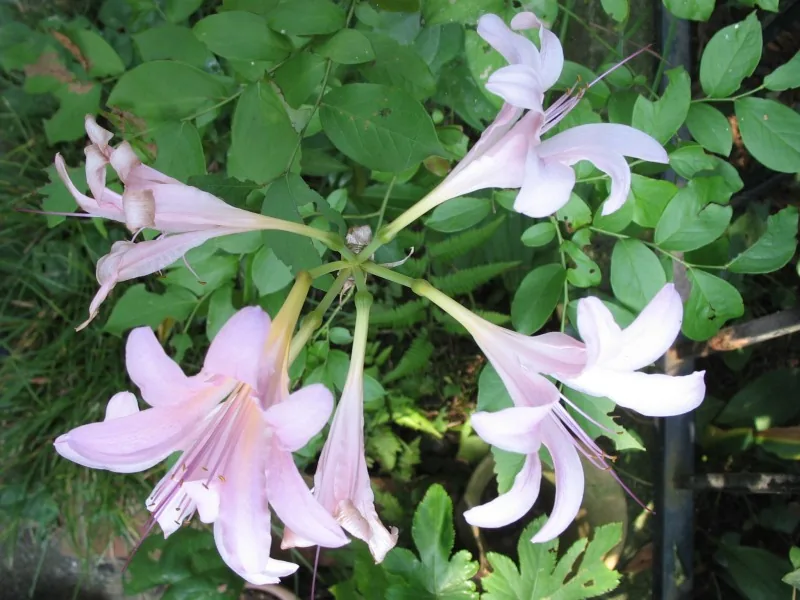
This bulb turns a garden into a bit of a magic trick, and it earns every nickname it carries. Watch the strappy leaves surge up in spring, look like nothing special, then vanish by early summer. Hang on through a few empty weeks and naked flower stalks come blasting out of bare ground in August, opening rose-pink almost overnight. That vanish-and-return act is exactly why growers call it resurrection lily, magic lily, and naked ladies.
Better still, this one is built to keep going. It runs in the amaryllis family and comes back as a rugged perennial bulb across zones 5 to 9, powering through heat, cold to -20°F (-29°C), and nearly every pest and disease you can name. Just respect the one rule: every part is poisonous, the bulb above all, so it earns a spot in beds and borders and stays clear of anywhere pets or children dig.
Here is the reward for so little work: plant the bulbs at the right depth in fall, let the spring leaves fade off on their own, and the clumps just keep fattening up and blooming for decades. Set it once and it pays you back season after season.
Care
The short version: hand it full sun to part shade and rich, well-drained soil and it takes off. Water through the spring leaves and again when the stalks charge up, let the bulb dry out in its summer rest, and split crowded clumps every few years to keep it flowering strong.
Light
Aim for full sun and the flowers really deliver, though partial shade still works fine. Big light powers up the spring leaves, and those leaves are the engine behind the whole late-summer show.
Water
Keep it watered through spring while the leaves push hard, then hit it again when the stalks charge up in late summer. Once the foliage dies back in early summer, ease off and let the bulb ride out its rest dry. While it is growing, that watering lands around every 7 to 14 days.
Soil
Plant it into rich, well-drained ground and it takes right off, loam, silt, or sand all welcome. pH is no hurdle either, since anything from 6.0 to 8.0 suits it, so nearly any garden bed does the job as long as water clears out fast.
Temperature
This bulb is a genuine tough customer. It powers through winters down to -20°F (-29°C) and summer heat up to 100°F (38°C), which is why it stays rock-solid across zones 5 to 9.
Humidity
Skip the humidity worries altogether, since plain outdoor air is all it wants. Put your energy into sharp drainage instead, which counts for far more.
Feeding
Feed it in spring as the leaves come charging up, reaching for a balanced bulb fertilizer while the foliage is green. That green window is prime time, when the bulb loads up energy for flowers months down the line.
Pruning
Clip the flower stalks off once they fade, but let those spring leaves run until they yellow and drop on their own. Cut the green foliage early and you rob the bulb, which means missing out on the next bloom.
Repotting
These bulbs love being left alone to bulk up. Only lift and split a clump every 4 to 5 years, or a touch sooner if it crowds up and the flowering starts to slip.
Size & spacing
Each plant shoots up to around 18 to 24 inches (46 to 61 cm) tall and just as wide. Space the bulbs 6 to 8 inches apart and give the clumps room to bulk up over the years.
When to plant
The fun of this bulb is its wild timing. Get the bulbs in during early fall, let the leaves race up and fade through spring, and then the flowers burst onto the scene in late summer, long after the foliage has bowed out.
Northern hemisphere
Southern hemisphere
Typical months for a temperate climate: start earlier in warm zones, later where spring frosts linger.
- Plant: Plant bulbs in early fall, 5 to 6 inches deep and 6 to 8 inches apart.
- Harvest: August to September
Hardiness
USDA hardiness zones: 5–9
Temperature: down to -29°C
Troubleshooting
Great news for anyone starting out: this bulb throws almost no problems your way. It really boils down to two things, stalks that skip a year and leaves that fade off early. One is worth chasing down, the other is just the plant doing its thing, so match what you spot below and dig in.
Leaves came up strong but the flower stalks skipped out
Leaves looked great but the stalks never fired? Nine times out of ten the bulbs are planted too deep or jammed in too tight. Wait for the leaves to die back, dig up a clump to check, then split it and drop the offsets back in at 5 to 6 inches deep and 6 to 8 inches apart. Bulbs you shifted recently might just want a season or two to settle before they bloom.
Fix:
- Divide and replant offsets at 5 to 6 inches deep and 6 to 8 inches apart
- Allow recently moved bulbs a season or two to settle before expecting bloom
Spring leaves going yellow and dropping off in early summer
Relax and enjoy it, because this is the plant running exactly to plan. The strap leaves rocket up in spring, yellow and fade by early summer, and weeks later the bare flower stalks come storming up on their own. Leave the fading leaves right where they are until they wither out, since that is how the bulb loads up energy for the next round of blooms.
Fix:
- Leave the dying foliage in place until it withers completely so the bulb can store energy
Toxicity
One thing to take dead seriously with all this fun: the whole plant is poisonous, to animals and people alike. The leaves, stalks, and especially the bulb pack lycorine and related alkaloids that trigger drooling, vomiting, and diarrhea if eaten. Nothing here is food, so plant it out of reach of pets and children and wash your hands the moment you finish with the bulbs.
Toxic to
Cats · Dogs · Horses · Rabbits · Livestock · Birds · People
Cats Toxic
A cat that chews any part will drool hard and then bring it back up, often with diarrhea and a sore belly. The bulb holds the most lycorine, so a dug-up bulb is the real thing to watch.
Dogs Toxic
Dogs that dig up and chomp a bulb take the biggest hit. Keep watch for drooling, vomiting again and again, loose stools, and a dog that goes flat and skips its food.
Horses Toxic
Those same alkaloids come down hard on horses. A grazing horse that grabs foliage or a bulb can drool, colic, and scour, so keep the planting well back from pasture.
Rabbits Toxic
Rabbits have no business nibbling the leaves or stalks. Even a quick taste kicks off drooling and a painful, upset gut, and the bulb is a whole lot more poisonous.
Livestock Toxic
Cattle, goats, and sheep all react to the lycorine in this plant. Look for drooling, vomiting where the animal can manage it, and diarrhea, with bulbs kicked up by tilling the biggest hazard.
Birds Toxic
Chalk the whole plant up as off limits for birds. The bulb and foliage carry the same toxic alkaloids that lay every other animal low, so pecking at it is a no-go.
People Caution
No part of this plant is a snack, and the bulb is the most poisonous piece by far. Anyone who eats it can wind up drooling, vomiting, and hit with diarrhea, so keep it well out of the reach of kids.
Store bulbs out of reach of pets and children and wash hands after handling.
Helpline numbers

United States
ASPCA Animal Poison Control: (888) 426-4435 (fee applies)
Poison Control: (800) 222-1222



Canada
Poison Centres: 1-844-764-7669
Varieties
You will be growing the straight species, and one standout detail keeps it from being mixed up with its fiery red cousin.
Lycoris squamigera (species)
The one you will grow is the straight species, flashing rose-pink flowers brushed with lilac on bare stalks in late summer, which sets it clean apart from the red-flowered red spider lily, Lycoris radiata.
How to propagate
Making more of these is half the fun. Forget seed, since the bulbs pump out offsets on their own, and splitting a fat clump hands you free plants in no time.
Offsets & pupsEasy
After foliage dies back in early summer or after flowering in late summer · 1 to 2 years to bloom after transplanting
The bulbs crank out daughter bulbs at a great clip, so the quickest way to multiply your patch is to dig up a clump and snap the offsets apart. Go for it after the foliage dies back in early summer or once flowering wraps in late summer, and split crowded clumps every 4 to 5 years. The offsets you replant take 1 to 2 years to settle in and start flowering.
DivisionEasy
When bulbs are dormant after foliage dies in early summer · 1 to 2 years to bloom
Dig into a crowded clump and divide it while the bulbs sit dormant, right after the foliage dies in early summer. Drop the offsets back in 5 to 6 inches deep and give them a year or two before the flowers kick in.
SeedDemanding
Rarely used · Several years
Seed is the slow lane here and rarely worth chasing, taking several years just to build a flowering bulb. Splitting off the offset bulbs is the fast track and gets you blooming way sooner.
Myths
Surprise lily makes a reliable houseplant you can force into bloom indoors.
Not a chance, since this is a hardy outdoor bulb built for zones 5 to 9, not a windowsill act. The roots drive deep and wide, so a pot almost never works unless it is seriously big and deep. Get it into the ground and let the seasons run the show.