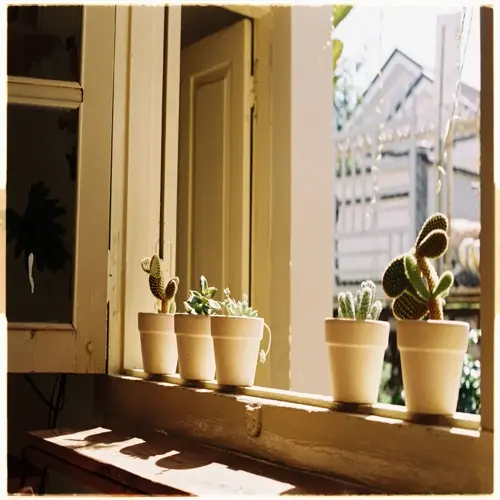

Some are, and some are not. Whether you have succulents toxic to pets in your home depends on the exact species, not on the fact that the plant is a succulent. Jade and aloe land on toxic-plant lists for cats and dogs. Meanwhile plenty of pet-safe succulents like haworthia sit on the gentle end of the scale. So the plant's name matters far more than the broad label you read on the garden-center shelf.
Picture a single shelf at the store for a second. One pot can be safe to chew, and the pot right next to it can make your dog sick. They look alike. They get sold in the same tray. And nothing on the little plastic tag warns you which is which. That is the part pet owners need to plan for before they ever pull out a wallet.
Because of that, the question is never just are succulents toxic to pets in general. It is whether this one is. Two plants can share a windowsill and a watering can while one is harmless and the other is a vet bill. Knowing the name turns a guess into a clear answer, so always read the label and look the plant up.
- Haworthia stays small and is widely regarded as a low-risk choice around pets.
- Many sedums are commonly listed among pet-friendlier succulents.
- Echeveria rosettes are often grouped with the safer ornamental succulents.
- Jade plant is commonly listed as toxic to cats and dogs if chewed.
- Aloe vera is widely considered toxic to pets when eaten.
- Euphorbias such as the pencil tree have sap that irritates skin and is harmful if ingested.
The danger comes from two simple things: chewing and sap. A pet that bites a toxic species can get an upset stomach, drooling, vomiting, or worse in larger amounts. Euphorbias like the pencil tree add a second risk on top of that. Their milky sap irritates skin and eyes, a risk that botanicalinterests flags too. So you can get hurt just by snapping a stem, with no chewing at all. Wash any sap off fast if it touches your hands.
Curious pets are the real reason any of this matters. Succulents and cats make a tricky mix because a cat will bat a plump leaf off a shelf and bite it for fun. Dogs dig at low pots and pull whole plants down to the floor. A leaf does not need to be a full meal to cause trouble. A few bites of the wrong plant can mean a sudden vet trip you never saw coming.
Here is what to actually do about it. Check the exact plant by name against a trusted list before it ever comes home. The ASPCA toxic-plant database is the one most owners reach for, and it covers both cats and dogs. Run the name through it at the store, on your phone, before you pay. A thirty-second search beats a midnight call to the emergency vet. Save the link to your phone so you can check the next plant fast. And if a tag only says succulent with no real name, treat that plant as a maybe and ask a worker which one it is.
If you fall for a risky one anyway, you do not have to give it up. Keep questionable species well out of reach. A high shelf, a hanging pot, or a closed door your pet cannot open all work fine. The same advice goes for homes with small children, since toddlers reach and taste even faster than pets do. When you want green with no worry, lean on haworthia, sedums, and echeveria as your easy wins.
Read the full article: Succulent Plants: Complete Care Guide