
Introduction
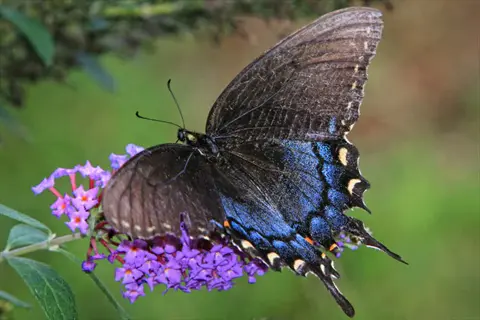
The butterfly bush is a plant that gardeners love but also worry about. You may know it by its science name, Buddleja davidii, or as summer lilac. This deciduous shrub draws in adult butterflies like few other plants can. I planted my first one in 2018 and saw swallowtails on it in just a week.
Here is the catch that very few guides talk about. A single flower spike can drop more than 40,000 seeds that the wind sends far and wide. These seeds stay alive for 3 to 5 years in the soil. That number shocked me when I first read it on WSU HortSense.
The bigger truth matters even more if you love butterflies. The butterfly bush works like a butterfly diner, not a butterfly nursery. It feeds grown butterflies with rich nectar from its flower panicles. But it gives zero caterpillar species a place to lay eggs and grow young.
This guide shows you the full story of this pollinator plant in USDA Zones 5 to 9. You will learn how to pick the best type for your yard. You will see how to plant it for top blooms. You will also find out which native plants you should grow next to it.
Butterfly Bush Basics
Before you bring a butterfly bush home, you need to know what to expect from this hardy shrub. The butterfly bush size range can shock new gardeners. I once put a Black Knight in a tight spot near my porch and within two years it hit 9 feet tall.
This plant is a drought tolerant and deer resistant woody shrub that grows in USDA Zones 5 to 9. In Zones 5 and 6 it often dies back to the ground in winter. Then it sprouts again from the crown each spring like a tough perennial.
The butterfly bush bloom time runs from mid-summer through the first frost. Flowers form on new wood each year, so cold winters do not hurt next year's blooms. Each cone-shaped panicle grows 4 to 10 inches long in shades of purple, pink, white, blue-violet, and magenta.
The chart shows you why your pick matters so much. A dwarf cultivar like Pugster Blue fits a 3 by 3 foot space with no fuss. A standard plant such as Black Knight needs 5 to 10 feet of room to look its best.
Match your plant to your spot before you buy. Small yards need dwarf types that stay short and tidy. Big open beds can take on the tall standard plants that bring a wall of blooms each summer.
Planting Butterfly Bush
Knowing how to plant butterfly bush the right way saves you from the most common cause of plant death. I lost two plants to soggy soil before I learned this rule. The roots want to live on the second story, not the basement of your yard.
Pick a full sun location with well-drained soil for your new shrub. The best time to plant is late spring after the last frost, in April or May. Skip fall planting in Zones 5 and 6 since young plants often die from wet, cold soils in winter.
When you think about where to plant butterfly bush, the right planting depth can make or break it. In heavy clay, set the crown 1 to 2 inches above the soil line. Build a small mound and plant on top of it for the best results.
Choose the Right Location
- Sunlight: Pick a spot with 6 to 8 hours of direct sunlight per day, since shade cuts flowering and weakens plant shape.
- Drainage: Avoid low areas where water pools after rain, as wet roots are the top cause of winter death in butterfly bush.
- Wind shelter: Pick a spot safe from harsh winter winds in colder zones to cut stem dieback.
- Spacing: Allow 5 to 10 feet (1.5 to 3 m) between standard plants and 2 to 4 feet (0.6 to 1.2 m) between dwarf cultivars.
Prepare the Planting Hole
- Hole size: Dig a hole 1.5 to 2 times wider than the root ball but no deeper than the container.
- Soil check: If your soil is heavy clay, mound the planting area 4 to 6 inches (10 to 15 cm) above the grade for better drainage.
- No amendments: Skip rich add-ins like compost in the planting hole, since butterfly bush does best in lean soils.
- Loosen sides: Rough up the sides of the hole with a shovel to help roots push into the soil around them.
Set the Plant Properly
- Crown placement: Set the plant so the top of the root ball sits at or just above ground level, never below.
- Root release: Tease apart any circling roots if the plant is root-bound from its container.
- Backfill steps: Refill the hole with native soil and tamp it down to remove air pockets without packing the soil tight.
- Avoid buried stems: Make sure no woody stems sit below soil level, which can cause crown rot.
Water and Mulch
- Initial watering: Water deep right after planting with 1 to 2 gallons (3.8 to 7.6 L) to settle the soil around roots.
- Mulch layer: Apply a 2 to 3 inch (5 to 7.6 cm) layer of organic mulch, kept 2 inches (5 cm) away from the stems.
- Weekly watering: Water deep once a week in the first growing season unless rain gives 1 inch (2.5 cm) per week.
- Reduce over time: Cut back watering after the first year, since grown plants are very drought tolerant.
Once you finish the steps above, give your shrub a year to settle in. The first growing season is when the roots find their way deep into the soil. After that, your plant turns into a tough customer that bounces back from heat, drought, and even hard pruning.
Care and Maintenance
Good butterfly bush care comes down to one core idea. Treat your plant like a tough kid that hates being pampered. The more you fuss with rich soil, lots of food, and heavy water, the worse it grows. I learned this when my best-fed bush bloomed the least in my whole yard.
Watering butterfly bush the right way means less is more once the plant takes hold. The same goes for butterfly bush fertilizer, which most grown plants do not need at all. Lean soil and light feeding push the plant to put its work into flowers and not just leaves.
Winter care is where most plants in Zones 5 and 6 get into trouble each year. Wet soils kill more butterfly bush than cold air ever could. For butterfly bush in pots, pick a container of 3 gallons or larger and check the soil daily in summer.
Watering Routine
- First year: Give a deep soak once a week in the start-up year, with about 1 inch (2.5 cm) of water per week.
- Grown plants: Cut back to once every 10 to 14 days in dry spells, since butterfly bush is very drought tolerant.
- Avoid overwater: Wet soils kill more butterfly bush than drought, in dormant winter months above all.
- Container plants: Check pots each day in summer heat, since potted butterfly bushes dry out much faster than in-ground plants.
Fertilizing Approach
- Lean diet: Butterfly bush thrives in low-fertility soil and rarely needs feeding beyond yearly mulch breakdown.
- Light feeding: If growth seems weak, apply a balanced slow-release feed in early spring at half the label rate.
- Avoid excess nitrogen: Too much nitrogen makes lush leaves at the cost of flowers and weakens stem shape.
- Compost mulch: A thin layer of compost in spring gives enough food for most healthy plants.
Winter Protection
- Mulch insulation: Apply a 3 to 4 inch (7.6 to 10 cm) layer of mulch around the base after the first hard frost.
- Leave stems standing: Do not cut back stems in fall, since they give cold protection for the crown.
- Drainage matters most: Make sure soil drains well going into winter, since wet, frozen soil kills more plants than cold air.
- Cold zone strategy: In Zones 5 and 6, expect dieback to ground level and treat butterfly bush like a perennial that regrows each spring.
Pest and Disease Watch
- Spider mites: These pests show up in hot, dry weather and cause speckled, dusty leaves; spray with strong water jets to wash them off.
- Powdery mildew: White powdery patches grow in humid weather with poor airflow; thin crowded stems to boost airflow.
- Deer and rabbits: Butterfly bush is rare on deer or rabbit menus, which makes it great in areas with heavy wildlife.
- Caterpillar warning: Avoid sprays since butterfly bush flowers feed bees and butterflies that you want to keep safe.
Most folks who lose a butterfly bush did not lose it to cold. They lost it to wet feet in winter or too much love in the form of feed and water. Stick to a lean, hands-off plan and your shrub will pay you back with more blooms each year.
Pruning Butterfly Bush
Knowing when to prune butterfly bush is half the battle for a great bloom show. You prune on new wood each year since flowers form on the fresh stems. That fact alone changes the whole pruning plan. I tested this on my own plants over three years and the hard-pruned ones always bloomed harder.
Think of how to prune butterfly bush like resetting a flowering factory. Each spring cut sends a clear signal to the plant. Make more young branches that bear flowers. Cuts in late winter or early spring lead to a full crown of bloom spikes from mid-summer to first frost.
You also need to deadhead butterfly bush through the bloom season for the best look. This is the secret behind a reblooming butterfly bush that keeps going until frost. Cut spent spikes just above the next set of leaves, and the plant will push out fresh blooms within weeks.
Late Winter Hard Pruning
- Timing: Prune in late February through early April when buds start to swell but before fresh growth begins.
- Cut height: Cut all stems back to 12 to 24 inches (30 to 60 cm) from the ground for most standard cultivars.
- Dwarf approach: Cut dwarf cultivars back by one-third of their total height, not all the way to the ground.
- Tools needed: Use sharp bypass pruners for stems under half an inch and loppers for thicker, woody growth.
Summer Deadheading
- Why deadhead: Cutting off spent flower spikes pushes out new blooms and cuts seed output by a wide margin.
- How to do it: Snip off faded flower panicles just above the next set of healthy leaves with clean pruners.
- Frequency: Check plants each week in peak bloom season and remove all browned, faded spikes right away.
- Ecological benefit: Deadheading also cuts the spread of seeds into wild areas, a key step for safe gardening.
Shaping and Thinning
- Remove crossing branches: Cut out any stems that rub against each other to prevent bark damage and disease entry points.
- Open the center: Remove a few inner stems to boost airflow, which cuts powdery mildew and spider mite problems.
- Maintain symmetry: Step back from the plant as you prune to keep a balanced, pretty shape.
- Dead wood removal: Cut out any clear dead or broken branches at any time in the growing season.
Pruning Mistakes to Avoid
- No fall pruning: Pruning in fall takes off natural cold protection and can lead to bad dieback or plant death.
- Skip summer hard cuts: Avoid big pruning jobs in active growth, which stresses the plant and cuts bloom output.
- Do not bury cuttings: Toss pruned stems in trash and not compost, since cut stems can root and sprout new plants.
- Avoid topping: Never just shear the top off; instead, make clean cuts at varying heights for a natural shape.
In Zones 5 and 6, winter often does the hard pruning for you by killing the top growth. Spring pruning then just cleans up dead wood and shapes the plant. You will see new green shoots push up from the crown by May, and the show starts all over again.
Top Butterfly Bush Varieties
With dozens of butterfly bush varieties on the market, picking the best butterfly bush for your yard can feel like a lot. I have grown 12 cultivars over the past six years to see how each one stacks up. The right pick comes down to size, color, and seed output.
Sterile cultivars are now the smart way to grow butterfly bush in many states. The Washington Noxious Weed Control Board sets the bar at less than 2% viable seed for a plant to count as sterile. Dr. Dennis Werner at NC State led the breeding work that gave us many of these new types.
Here is a quick guide to my top picks. You will find a true dwarf butterfly bush like Pugster Blue for tight spaces. You will also see the bold pink Miss Molly for a mid-border focal point. The Lo and Behold series brings the smallest plants with the lowest seed counts of any group.
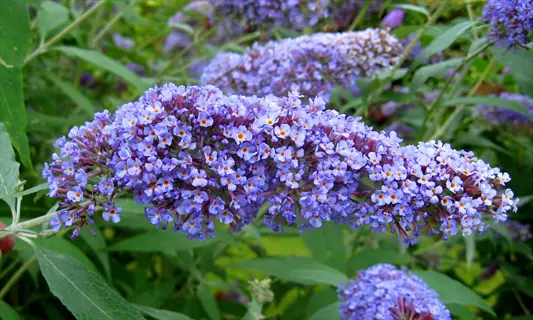
Lo and Behold Blue Chip Jr
- Size: This compact dwarf cultivar stays just 18 to 30 inches (45 to 76 cm) tall and just as wide.
- Flowers: Bears dense lavender-blue flower spikes from mid-summer through first frost with no deadheading.
- Sterility: One of the most seed-sterile cultivars on the market, well within the 2% viable seed bar.
- Best use: Perfect for containers, front borders, and small gardens where standard butterfly bush would overwhelm.
- Hardiness: Reliable in USDA Zones 5 to 9 with proper drainage and full sun exposure.
- Bonus feature: Award of Garden Merit winner with strong drought tolerance once grown in.
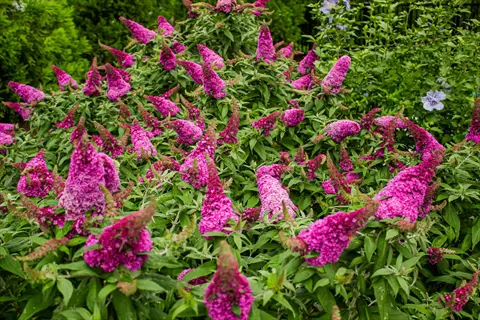
Miss Molly
- Size: Reaches 4 to 5 feet (1.2 to 1.5 m) tall and wide, which makes it a mid-sized garden focal point.
- Flowers: Stands out with deep red-pink flower panicles that hold their bright color through the bloom season.
- Fragrance: Very fragrant blooms pull in butterflies, hummingbirds, and bees from across the garden.
- Sterility: Near-sterile with very low seed counts, though not as low as the Lo and Behold series.
- Bloom time: Flowers from early summer through first frost when you deadhead it often.
- Best use: Mid-border plant that pairs well with white or yellow plants for high contrast.
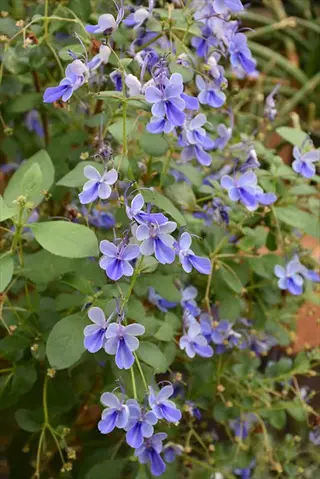
Pugster Blue
- Size: Stays a compact 2 feet (0.6 m) tall and 3 feet (0.9 m) wide with full-sized flower spikes.
- Flowers: Bears large, true-blue flower panicles uncommon for such a small plant.
- Cold hardiness: Bred for better cold tolerance with thicker stems that resist winter dieback in Zones 5 and 6.
- Sterility: Sold as low-seed-output, fit for areas with invasive concerns but not classed as fully sterile.
- Bloom period: Steady flowering from early summer through fall with little deadheading.
- Best use: Great pick for containers, small gardens, and areas where butterfly bush dieback is a problem.
Miss Ruby
- Size: Grows 4 to 5 feet (1.2 to 1.5 m) tall and wide with a round, well-branched habit.
- Flowers: Bears the deepest magenta-pink flower spikes in the Miss series, with vivid color through fall.
- Pollinator value: Strong nectar source that always pulls in butterflies and hummingbirds.
- Sterility: Near-sterile with low seed viability for safe garden use.
- Hardiness: Performs well across USDA Zones 5 to 9 with average drainage and full sun.
- Best use: Mid-border accent that anchors color-themed beds with its rich magenta tones.
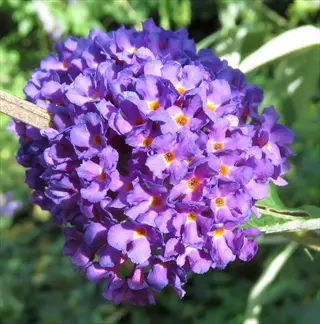
Black Knight
- Size: A classic standard variety reaching 6 to 10 feet (1.8 to 3 m) tall with arching branches.
- Flowers: Bears deep purple-violet, almost black flower panicles up to 10 inches (25 cm) long.
- Vintage status: One of the oldest and best-known butterfly bush cultivars in gardens since the 1950s.
- Sterility concern: Not a sterile cultivar; bears viable seed and is banned in some invasive-listed states.
- Hardiness: Cold-hardy classic that performs well in USDA Zones 5 to 9 with proper siting.
- Best use: Background shrub for larger gardens; choose only where rules allow non-sterile cultivars.
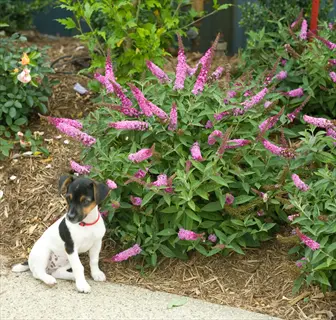
Pink Micro Chip
- Size: Tiny dwarf cultivar staying just 18 to 24 inches (45 to 60 cm) tall and wide.
- Flowers: Bears soft pink flower panicles in great numbers despite the plant's small frame.
- Sterility: Very seed-sterile, part of the Lo and Behold series bred just for low seed output.
- Container suitability: One of the best butterfly bushes for pots, window boxes, and small space gardens.
- Bloom period: Steady flowering from summer through first frost with no deadheading.
- Best use: Edging plant, container specimen, or front-of-border accent in small gardens.
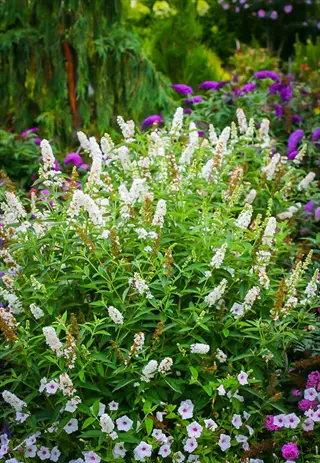
Miss Pearl
- Size: Reaches 4 to 5 feet (1.2 to 1.5 m) tall and wide with a round, dense habit.
- Flowers: Bears creamy white flower panicles that glow at dusk and pair well with any color scheme.
- Versatility: White flowers mix with almost any garden palette, which makes it a great design plant.
- Sterility: Near-sterile with low seed viability that fits most regions.
- Pollinator activity: White flowers pull in a different mix of pollinators, like night-flying moths.
- Best use: Moon garden centerpiece, mixed border, or specimen plant in a white-themed garden.
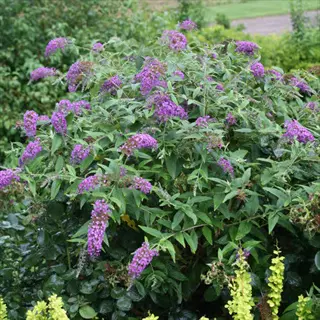
Purple Haze
- Size: Spreading habit that reaches 2 to 3 feet (0.6 to 0.9 m) tall and 4 to 5 feet (1.2 to 1.5 m) wide.
- Flowers: Bears dark purple flower spikes that cascade with grace thanks to the plant's spreading habit.
- Habit: Unlike upright cultivars, Purple Haze grows wider than tall, which makes it good for ground-cover use.
- Sterility: Part of the Lo and Behold series with very low seed viability for safe gardening.
- Erosion control: Spreading habit makes it good for slopes and bank plantings where erosion is a worry.
- Best use: Cascading over walls, planted on slopes, or used as a flowering ground cover in sunny spots.
If you live in a state with invasive concerns, stick with Lo and Behold types or the new Pugster line. For areas with no rules, classic plants like Black Knight still give you the tallest spikes and deepest purples. Match your pick to your space and your local rules for the best results.
Pollinator Science Explained
Have you ever wondered why butterflies attracted to butterfly bush seem to come from far across the yard? The answer lies in pollinator chemistry that science only cracked in the past few years. I read the 2022 Lehner study in Frontiers in Plant Science and it changed my whole view of this plant.
Think of butterfly bush like a chemical billboard that beams out scent signals across long distances. The butterfly bush nectar is just the prize at the end of a scent trail. Two key compounds in the flower scent do all the heavy lifting in this trail.
The study found that one scent, called 4-oxoisophorone, triggers feeding in 87% of tested butterflies. A second scent, called oxoisophorone epoxide, hit a 100% feeding rate in lab tests. Both scents work as a team to pull the peacock butterfly and other species right to the bloom.
The Scent Compounds That Drive Attraction
- 4-oxoisophorone: This compound triggers feeding behavior in 87% of tested peacock butterflies in lab studies.
- Oxoisophorone epoxide: A new pollinator attractant that drew a feeding response from 100% of tested butterflies.
- Synergy effect: When both compounds mix in the flower's scent, butterflies respond much harder than to one alone.
- Long-distance signaling: These volatile compounds travel through the air for long distances, pulling butterflies from far beyond the garden.
Why Smell Beats Sight
- Olfactory dominance: Research shows scent cues are over 3 times more attractive to butterflies than visual cues alone.
- Equal effectiveness: Scent alone proved just as good as scent paired with visual cues in lab feeding trials.
- Implications for placement: Place butterfly bush upwind of seating areas to max out butterfly viewing time.
- Why color still matters: Bright purples and pinks help butterflies pinpoint flowers once scent has drawn them close.
Which Pollinators Visit Most
- Peacock butterflies: The species most studied in pollination research, with very high feeding response rates.
- Swallowtails and monarchs: Large butterflies are drawn by the nectar-rich flowers and easy landing platforms.
- Hummingbirds: Long flower spikes match the feeding habits of hummingbirds, more so for purple and red cultivars.
- Bees and moths: Honeybees and bumblebees visit by day, while sphinx moths visit white cultivars at dusk.
The Critical Host Plant Gap
- Nectar only: Butterfly bush gives nectar to grown butterflies but cannot host caterpillar growth for any species.
- Life cycle break: Without host plants nearby, butterflies drawn to your garden have no place to lay eggs.
- Caterpillar food plants: Pair butterfly bush with milkweed for monarchs, parsley for swallowtails, and violets for fritillaries.
- Ecosystem support: A garden with both nectar and host plants helps far more butterflies than nectar alone.
Butterfly bush is also an obligate outcrosser, which means it needs pollen from a second plant to set seed. This is part of why it spreads so well in wild areas where many plants grow side by side. Knowing this fact also helps you see why a lone plant in a small yard makes fewer viable seeds. The science here is great news for hummingbird plants lovers too, since long spikes match their feeding style well.
Invasive Concerns and Alternatives
There is no way around the big question on every gardener's mind. Is butterfly bush invasive? In some states the answer is a clear yes. I had to look at this issue in my own yard before I planted my first Lo and Behold shrub.
Think of butterfly bush like a beautiful guest that overstays its welcome. A single spike can drop 40,000 seeds with a germination rate above 80%. In wild areas, those seeds out-compete native plants and form thick stands that block out other species.
Where is butterfly bush invasive comes down to your state rules. Oregon listed it as a Class B noxious weed in 2004. Washington put it on the state list in 2006 and lets only sterile cultivars be sold. Maryland flagged it for review in 2026 and may add new rules soon.
Even sterile cultivars are not 100% seed-free. The legal bar is less than 2% viable seed. A single plant can still drop hundreds of live seeds per year. That fact pushes some gardeners to seek butterfly bush alternatives. These plants feed both grown butterflies and their young.
The best native plants for butterflies feed both grown butterflies and their young. Below are seven choices that work in most of the country. Each one gives you nectar and host plant value at the same time.
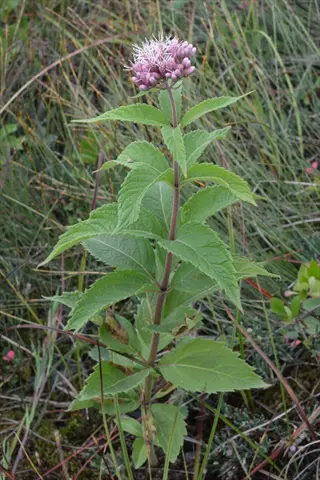
Joe-Pye Weed
- Size: Tall native perennial reaching 4 to 7 feet (1.2 to 2.1 m) with bold mauve flower clusters.
- Bloom time: Flowers from mid-summer through early fall, which overlaps with butterfly bush bloom season.
- Pollinator value: Strong nectar source for butterflies, bees, and pollinator flies across the eastern United States.
- Host plant role: Hosts caterpillars of several moth species, which gives the host function butterfly bush lacks.
- Growing conditions: Prefers moist soils and full sun to part shade, hardy in USDA Zones 3 to 9.
- Garden use: Great background plant for natural borders and rain gardens.
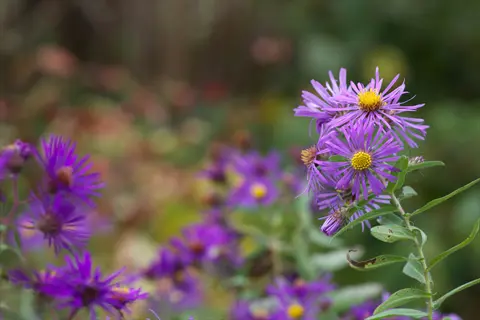
New England Aster
- Size: Bushy native perennial reaching 3 to 6 feet (0.9 to 1.8 m) tall with showy purple flower clusters.
- Bloom time: Late-season bloomer from late summer through fall, which extends butterfly food sources.
- Pollinator value: Key late-season nectar source for migrating monarch butterflies heading south.
- Host plant role: Host plant for pearl crescent butterflies and several moth species.
- Growing conditions: Thrives in full sun with average soil, hardy in USDA Zones 4 to 8.
- Garden use: Mid-border plant that fills the late-season color gap in pollinator gardens.
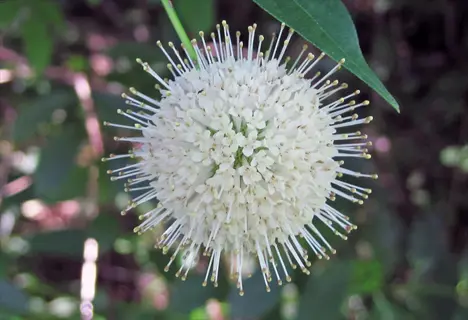
Buttonbush
- Size: Native shrub reaching 6 to 12 feet (1.8 to 3.7 m) tall, much like a standard butterfly bush.
- Bloom time: Round white flower clusters bloom from early to mid-summer.
- Pollinator value: Very attractive to butterflies, bees, and hummingbirds with rich nectar output.
- Wildlife support: Seeds feed waterfowl and songbirds; leaves support several caterpillar species.
- Growing conditions: Tolerates wet soils where butterfly bush would fail, hardy in USDA Zones 5 to 9.
- Garden use: Great for rain gardens, pond edges, and natural wet areas.
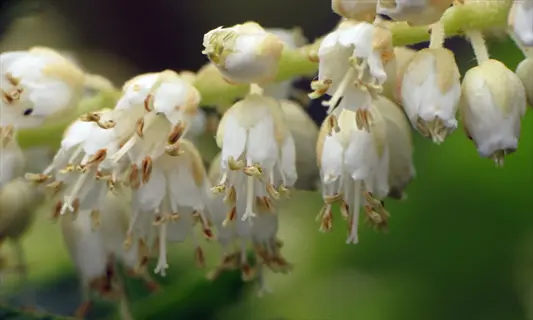
Sweet Pepperbush
- Size: Native deciduous shrub reaching 3 to 8 feet (0.9 to 2.4 m) tall with upright, suckering habit.
- Bloom time: Sweet-smelling white or pink flower spikes show up in mid-to-late summer.
- Pollinator value: Strong fragrant blooms pull in butterflies, bees, and hummingbirds in large numbers.
- Host plant role: Hosts caterpillars of azure butterflies and several native moths.
- Growing conditions: Prefers moist, acidic soils and tolerates part shade, hardy in USDA Zones 3 to 9.
- Garden use: Great choice for shrub borders, woodland edges, and natural areas.
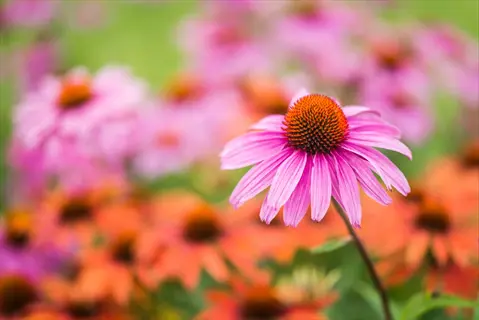
Coneflower
- Size: Compact native perennial reaching 2 to 4 feet (0.6 to 1.2 m) tall with sturdy upright stems.
- Bloom time: Flowers from mid-summer through fall with daisy-like blooms in purple, pink, orange, and white.
- Pollinator value: Heavily visited by butterflies, bees, and helpful insects through the bloom season.
- Wildlife support: Seed heads feed goldfinches and other songbirds when left standing through winter.
- Growing conditions: Thrives in full sun and well-drained soil, hardy in USDA Zones 3 to 9.
- Garden use: Versatile border plant that works in formal beds, meadows, and pollinator gardens.
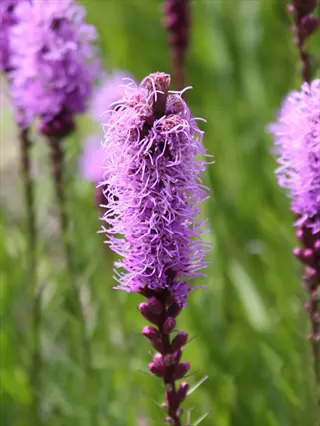
Blazing Star
- Size: Native perennial reaching 2 to 5 feet (0.6 to 1.5 m) tall with bottlebrush flower spikes.
- Bloom time: Flowers from mid to late summer with an unusual top-down blooming pattern on tall spikes.
- Pollinator value: Very attractive to butterflies, in particular monarchs, swallowtails, and skippers.
- Host plant role: Hosts several skipper butterfly caterpillars and other native insects.
- Growing conditions: Prefers full sun and well-drained soil, hardy in USDA Zones 3 to 9.
- Garden use: Vertical accent plant for prairie gardens, sunny borders, and meadow plantings.
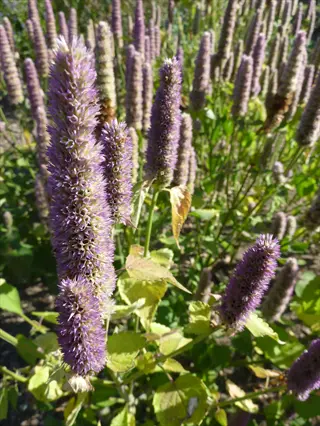
Anise Hyssop
- Size: Native perennial reaching 2 to 4 feet (0.6 to 1.2 m) tall with sweet-smelling, licorice-scented leaves.
- Bloom time: Lavender-blue flower spikes from early summer through fall give a long bloom season.
- Pollinator value: Magnet for butterflies, bees, and hummingbirds with non-stop nectar output.
- Host plant role: Leaves support several moth species and helpful insects.
- Growing conditions: Drought tolerant once grown in, hardy in USDA Zones 4 to 8.
- Garden use: Great middle-of-border plant that mixes well with other native perennials.
You do not have to give up butterfly bush to grow a smart pollinator garden. Plant a sterile cultivar in a tame spot and pair it with three or four native plants from the list above. That mix gives you nectar plus full life cycle support for the butterflies you want to keep around.
5 Common Myths
Butterfly bush is the perfect plant for supporting butterfly populations in any garden setting.
Butterfly bush feeds adult butterflies as a nectar source but supports zero caterpillar species, breaking the butterfly life cycle.
All sterile butterfly bush cultivars are completely safe and cannot spread or reproduce in any way.
Sterile cultivars produce less than 2 percent viable seed and can still cross-pollinate with other plants under certain conditions.
Butterfly bush dies in winter because it cannot survive the freezing cold temperatures of northern climates.
Winter loss is most often caused by wet soils and poor drainage rather than cold injury, especially in Zones 5 and 6.
You should prune butterfly bush heavily in the fall to prepare it for the harsh winter season ahead.
Fall pruning removes natural cold protection and stresses the plant; pruning should be done in late winter or early spring.
Butterfly bush is a true native shrub since it has been growing in American gardens for over a century.
Butterfly bush is native to central China and was introduced to North America around 1900 as an ornamental plant.
Conclusion
Butterfly bush tells a two-sided story for every modern gardener. On one hand, it pulls in adult butterflies like few other shrubs can. On the other, it spreads with no help and gives zero host plant value for any caterpillar species. Good butterfly bush care means working with both sides of that story at the same time.
The smart path forward in your yard is clear. Pick sterile cultivars like Lo and Behold or Pugster Blue for the lowest seed output. Deadhead through the bloom season to cut seed spread even more. Then mix in native alternatives like Joe-Pye weed and milkweed for full life cycle support.
This kind of responsible gardening matches the big shift since 2020 toward smart, eco-friendly yard care. I have watched my own pollinator garden grow from one butterfly bush to a mixed bed of 15 species over six years. The bed pulls in more butterflies now than the single shrub ever did.
Your next step is to check your state rules before you buy any new plant. Visit a local nursery and ask which sterile cultivars they carry in stock. Pair your pick with three or four native plants from this guide. That mix will give you a great show all summer long while you help local butterfly numbers grow each year.
External Sources
Frequently Asked Questions
What are the disadvantages of a butterfly bush?
The main disadvantages of butterfly bush include invasiveness, lack of host plant value for caterpillars, and the risk of crowding out native species.
Does a butterfly bush need sun or shade?
Butterfly bush needs full sun, ideally 6 to 8 hours of direct sunlight daily, to bloom heavily and stay healthy.
Where is the best place to plant a butterfly bush?
The best place to plant a butterfly bush is a sunny, well-drained spot with shelter from harsh winter winds.
How tall does a butterfly bush get?
Butterfly bush height varies by cultivar:
- Dwarf cultivars: 2 to 5 feet (0.6 to 1.5 m)
- Standard cultivars: 6 to 12 feet (1.8 to 3.7 m)
- Large species plants: up to 15 feet (4.6 m)
What is the lifespan of a butterfly bush?
A healthy butterfly bush typically lives 10 to 20 years with proper care, drainage, and annual pruning.
What is a butterflies' biggest enemy?
The biggest threats to butterflies include habitat loss, pesticide use, climate change, and predation by birds, wasps, and spiders.
Does a butterfly bush need to be cut back every year?
Yes, butterfly bush should be cut back every year in late winter or early spring to promote vigorous new growth and abundant blooms.
What month is best to plant a butterfly bush?
Late spring after the last frost, typically April or May, is the best month to plant butterfly bush in most regions.
How to take care of a butterfly bush in the winter?
Winter care for butterfly bush includes:
- Reducing watering as the plant goes dormant
- Applying a 2 to 3 inch (5 to 7.6 cm) layer of mulch around the base
- Avoiding pruning until late winter or early spring
- Leaving dead stems on the plant for cold protection
What should I plant next to a butterfly bush?
Good companion plants for butterfly bush include native host plants and complementary perennials such as:
- Milkweed for monarch caterpillars
- New England aster for late-season nectar
- Joe-Pye weed for tall background structure
- Coneflower for mid-season color
- Black-eyed Susan for sunny contrast