
Introduction
Most blogs treat bone meal fertilizer like a fix for every plant problem. I fell for that myth for years in my own backyard plots. In my experience, soil tests change everything. My tomato beds turned yellow from too much phosphorus I dumped in without testing first.
Here is what nobody tells you. The UNH Extension found that most home garden soils already hold plenty of phosphorus. Modern bone meal packs about 28% phosphorus by weight. That is a big dose to throw at soil that may not need it.
Think of bone meal as a prescription supplement and not a daily vitamin. It helps when a soil test shows you have a real phosphorus deficiency. It harms your beds when you guess wrong. Too much locks out iron, zinc, and the soil fungi that feed your roots.
This guide leans on MDPI Agronomy 2021 studies and extension data from WSU and Colorado State. You will learn the right NPK ratio for your goals. You will see how this slow-release fertilizer turns plant ready. You will know when to skip it for a smarter soil amendment. You will pick a phosphorus source that fits your organic gardening plan.
How to Use Bone Meal
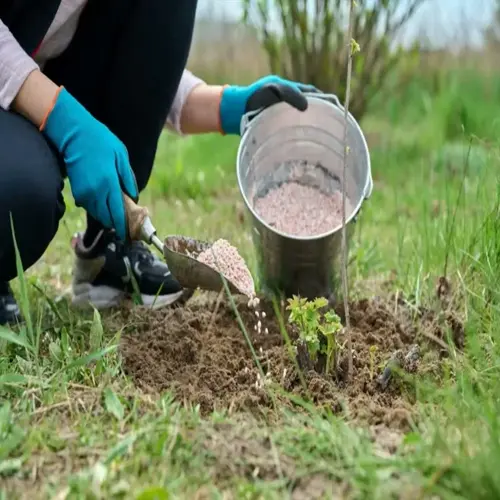
Learning how to use bone meal the right way starts with a soil test, not a scoop. WSU Extension notes that bone meal will not dissolve in water on its own. It needs acidic soil or active microbes to break down. The full release of phosphorus takes one to four months.
Treat your application like you would season a soup. You measure first, taste, then adjust. I made the mistake of eyeballing bone meal for years and burned out my soil biology. The four steps below cover the basics. You will get application rates for any crop. You will learn soil incorporation tips. You will pick up a watering technique that works. Use them for any planting hole or side dressing chore.
Test Soil Before Application
- Run a soil test: Send a soil sample to your local extension service to measure phosphorus levels and pH before adding any bone meal.
- Check pH range: Confirm soil pH falls below seven point zero because phosphorus locks up and stays plant unavailable in alkaline conditions.
- Review phosphorus reading: Skip bone meal entirely when soil tests show medium or high phosphorus to prevent mycorrhizal fungi disruption.
- Plan timing: Apply bone meal in early spring or fall when soil microbes remain active and can break down the slow-release nutrients.
- Document baseline: Record current soil values so you can measure how bone meal applications change phosphorus levels over multiple seasons.
Measure the Correct Amount
- Garden beds: Apply five pounds (2.27 kg) per one hundred square feet (9.29 square meters) and mix into the top four inches (10.16 cm) of soil.
- Planting holes: Add one to two tablespoons (15 to 30 g) per planting hole for bulbs, transplants, and individual flowering plants.
- Potted plants: Use one teaspoon (5 g) per gallon (3.79 L) of potting soil and blend evenly before planting your container.
- Trees and shrubs: Spread one cup (240 g) per inch (2.54 cm) of trunk diameter around the drip line area.
- Side dressing: Apply one tablespoon (15 g) per two square feet (0.19 square meters) every eight weeks during the growing season.
Mix Into the Soil Properly
- Dig the application zone: Loosen the top three to four inches (7.62 to 10.16 cm) of soil where roots will access the phosphorus.
- Distribute evenly: Sprinkle bone meal across the area instead of dumping in one spot to prevent localized nutrient burn or pH shifts.
- Rake thoroughly: Work the bone meal into the soil using a hand rake or trowel to maximize contact with microbes.
- Avoid surface dusting: Surface applications attract dogs, raccoons, and skunks, and the phosphorus stays inaccessible until rain washes it down.
- Cover with mulch: Add a two-inch (5.08 cm) mulch layer after incorporation to protect application from scavengers and reduce surface evaporation.
Water Immediately After Application
- Soak the area thoroughly: Water at least one inch (2.54 cm) deep right after application to begin activating microbial breakdown of the bone meal.
- Reduce pest attraction: Watering masks the smell of ground bone that attracts dogs and wildlife to dig up freshly fertilized beds.
- Maintain soil moisture: Keep soil consistently moist for the first two weeks because dry conditions slow microbial release of phosphorus.
- Track nutrient release: Phosphorus becomes plant available gradually over one to four months as bacteria and fungi process the bone material.
- Watch second season effects: Bulbs and perennials often show the strongest bone meal response in their second growing season rather than the first.
Best Plants for Bone Meal
The best plants for bone meal all share one trait. You give it to crops that need lots of energy to build flowers, roots, or storage organs. Phosphorus fuels ATP, the energy fuel inside plant cells. Your peony bloom or fat garlic head takes a huge ATP investment to form.
An MDPI 2021 sweet corn study backs this up. I tested the same idea in my own beds for three seasons. Researchers found that root growth, shoot growth, yield, and chlorophyll content all rose with higher bone meal rates. The eight categories below show where bone meal earns its keep in your garden.
Focus on flowering bulbs, root vegetables, peonies, roses, tomatoes, and garlic for your bone meal use. Berries and young transplants round out the list. Each plant group you grow has its own rate and timing rules to follow.
Flowering Bulbs
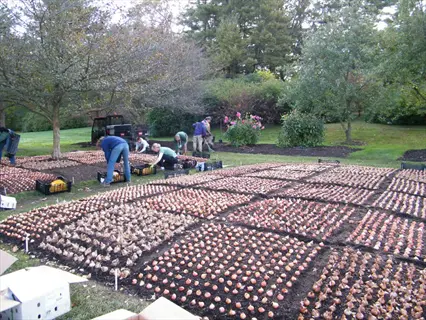
- Best uses: Tulips, daffodils, hyacinths, and crocuses respond well to bone meal mixed into the planting hole at fall planting time.
- Application rate: Add one tablespoon (15 g) of bone meal per bulb planting hole and mix with the backfill soil thoroughly.
- Phosphorus benefit: Phosphorus supports strong root establishment before winter dormancy, helping bulbs anchor and overwinter successfully in cold soil.
- Timing note: UNH Extension found bone meal benefits to bulbs primarily appear in the second growing season rather than the first year.
- Pest warning: Cover applications well and water immediately because skunks and squirrels actively dig up bone meal scented bulb beds.
- Soil context: Run a soil test first since many garden soils already supply enough phosphorus for bulb establishment without supplementation.
Root Vegetables
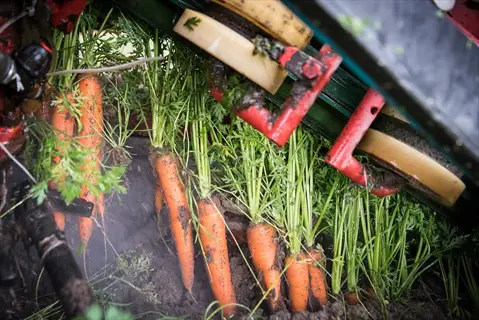
- Best uses: Carrots, beets, parsnips, turnips, and radishes benefit from bone meal worked into the seedbed before sowing.
- Application rate: Apply five pounds (2.27 kg) per one hundred square feet (9.29 square meters) and rake into the top four inches (10.16 cm).
- Phosphorus benefit: Phosphorus drives root cell division and elongation, producing longer, straighter taproots with better storage organ development.
- Calcium support: Bone meal also supplies calcium, which strengthens cell walls and reduces internal cracking in carrots and beets during rapid growth.
- Soil prep: Loosen the bed deeply to twelve inches (30.48 cm) so taproots can grow into the bone-meal-enriched soil without obstruction.
- Avoid excess: Overapplication causes forked roots and reduced sweetness, so stick to soil test recommended rates for best flavor.
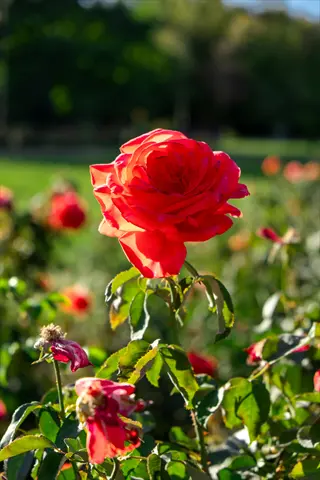
Roses and Peonies
- Best uses: Roses, peonies, and other heavy-blooming perennials respond strongly to bone meal at spring planting and during fall dormancy preparation.
- Application rate: Mix one cup (240 g) of bone meal into the planting hole for new roses or peonies and water deeply afterward.
- Phosphorus benefit: Phosphorus fuels bud formation and large, vibrant blooms because flowering requires massive energy from ATP molecules.
- Calcium benefit: Calcium strengthens stem cell walls so tall peony stems can support heavy blooms without flopping after rain or wind.
- Maintenance feed: Side dress established roses with one tablespoon (15 g) every eight weeks during the active flowering season for sustained bloom.
- Soil pH note: Roses prefer slightly acidic soil at pH six point zero to six point five, perfect for bone meal phosphorus release.
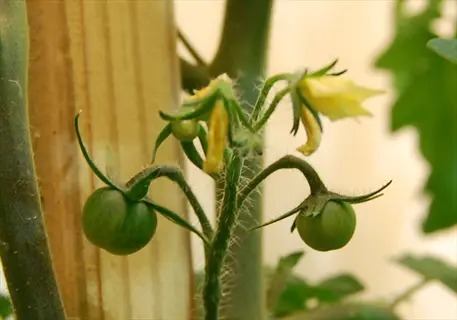
Tomatoes and Peppers
- Best uses: Tomatoes, peppers, and eggplants benefit from bone meal at transplanting because they require steady phosphorus and calcium supplies.
- Application rate: Add two tablespoons (30 g) of bone meal to the bottom of each transplant hole and mix with native soil.
- Calcium for blossom end rot: Calcium in bone meal helps prevent blossom end rot in tomatoes and peppers when soil moisture stays consistent.
- Phosphorus for fruit set: Phosphorus supports flower production and fruit setting, leading to higher yields per plant throughout the growing season.
- Pair with nitrogen: Bone meal supplies almost no nitrogen, so pair with compost or another organic nitrogen source for balanced fertilization.
- Indeterminate varieties: Side dress indeterminate tomatoes mid-season with one tablespoon (15 g) per plant to support continued fruit production.
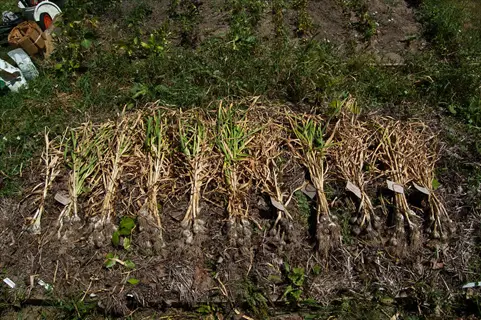
Alliums and Garlic
- Best uses: Garlic, onions, leeks, scallions, and amaryllis benefit from bone meal at fall planting for strong root and bulb development.
- Application rate: Work two pounds (0.91 kg) per one hundred square feet (9.29 square meters) into the bed before planting garlic cloves.
- Phosphorus for bulb formation: Phosphorus directly supports bulb enlargement, leading to bigger garlic heads and onion bulbs at harvest time.
- Calcium for storage life: Calcium strengthens bulb wrappers and outer layers, improving storage life and reducing rot during long-term curing.
- Fall timing: Apply bone meal in autumn at planting because alliums establish roots through winter and respond to spring phosphorus release.
- Avoid surface application: Mix bone meal three inches (7.62 cm) deep to protect against dogs and wildlife that dig up exposed amendments.

Fruit and Nut Trees
- Best uses: Young fruit trees, nut trees, and berry bushes benefit from bone meal at planting and during early establishment years.
- Application rate: Apply one cup (240 g) per inch (2.54 cm) of trunk diameter spread around the drip line, not against the trunk.
- Root establishment: Phosphorus supports vigorous root development so young trees anchor deeply and access water during dry summer months.
- Fruit production: Mature trees benefit from light bone meal applications to support flowering and fruit setting in low-phosphorus orchard soils.
- Timing strategy: Apply in early spring before bud break or in fall after harvest when soil microbes remain active enough to process bones.
- Soil context: Test orchard soil every three years because long-term bone meal use can elevate phosphorus to levels that harm soil biology.

Container Plants
- Best uses: Potted flowering plants, container vegetables, and patio fruit trees can use bone meal when potting mix lacks slow-release phosphorus.
- Application rate: Mix one teaspoon (5 g) per gallon (3.79 L) of potting soil and blend thoroughly before planting your container.
- Slow-release advantage: Bone meal releases phosphorus over one to four months, matching the typical container growing season for most patio crops.
- Pest control easier: Containers reduce wildlife access compared to in-ground beds, making bone meal safer for urban or apartment balcony gardens.
- Drainage matters: Use well-draining potting mix because bone meal needs aerobic conditions and active microbes to break down properly.
- Refresh annually: Repot or top-dress with fresh bone meal each spring because container soil depletes faster than in-ground garden beds.
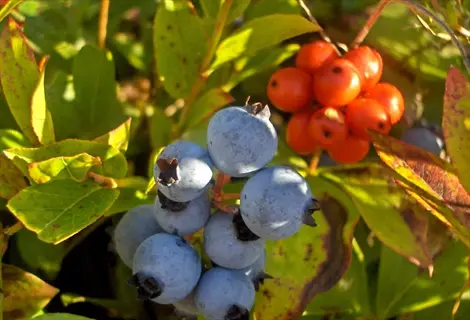
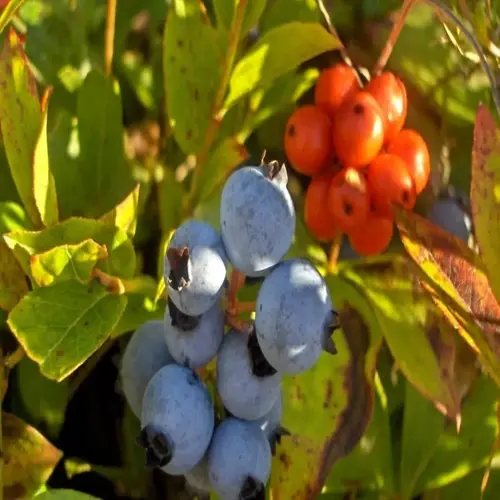
Berry Bushes
- Best uses: Blueberries, raspberries, blackberries, and strawberries benefit from bone meal at planting and during their first establishment year.
- Application rate: Mix half cup (120 g) into the planting hole for blueberries and raspberries, scaled to plant size and root ball volume.
- Blueberry caution: Blueberries need very acidic soil at pH four point five to five point five, perfect for bone meal phosphorus release and uptake.
- Strawberry timing: Apply bone meal in early spring when strawberries emerge from dormancy and again after the main harvest in summer.
- Root crown placement: Mix bone meal into the soil around the root ball, never directly touching the crown, to prevent burn or rot.
- Yield benefits: Phosphorus supports flower bud formation and fruit setting, leading to heavier berry yields throughout the harvest window.
Soil pH and Phosphorus
Your soil pH sets the rules for phosphorus availability. Colorado State found that bone meal feeds your plants only in acidic soil below pH 7.0. Once your soil turns alkaline, those nutrients lock up tight.
Here is the soil chemistry behind it. Bone meal is mostly hydroxyapatite, a kind of bone mineral. In acidic soil, the acid melts that mineral down. Phosphorus then floats free for plant roots to take in. In alkaline soil, the mineral stays whole and your phosphorus stays stuck.
Picture bone meal in alkaline soil as a can of food with no can opener. The food is right there. Your plants just cannot get inside. I learned this in my Arizona garden where the pH hit 8.1 and bone meal did nothing for two years.
USDA NRCS data shows many western US soils run alkaline above pH 7.5. A simple soil test from your local extension tells you where you stand. Microbial activity also slows in dry alkaline beds, so any bone meal you add will stall out.
Application Rates by Crop
Think of bone meal application rates like baking a cake. Exact measures give you a better outcome than rough handfuls thrown at the soil. I used to scoop by feel and ended up with 20% to 30% waste on every bag I bought.
An MDPI 2021 study showed that yearly bone meal use at the right dose lifted soil mineral nitrogen by 2.33 to 2.56 times. The table below gives you how much bone meal per plant or per square foot for the most common crops. Use it for garden beds, planting holes, and side dressing jobs.
The dosage by crop chart covers twelve plant types so you can match your rate to your goal. Cut these rates in half if your soil test shows medium phosphorus. Skip bone meal if your test reads high.
Risks and Safety Concerns
Bone meal safety covers more than just a warning label on the bag. The ASPCA tracked bone meal as a top ten pet poison call in 2017. My own dog ate a bag I left open in the garage and spent the night at the vet.
Pet safety is just the start. Overfertilization with bone meal can wreck your soil biology for years to come. Excess phosphorus runoff feeds algae blooms in nearby ponds and streams. Too much also breaks the bond between roots and mycorrhizal fungi, the soil partners that help your plants drink water.
Think of the plant root and fungi bond like a long marriage. Pour too much phosphorus on it and the bond falls apart. The plant stops sending sugar to the fungi. The fungi shrink back and your soil loses its support network. Chlorosis, the yellowing of leaves, often shows up next as iron and zinc lock out from the soil.
BSE concerns from the 1990s still shape how bone meal is made today. In my testing, the worst risks come from skipping a soil test. The five risks below cover the big ones. Read each before you scoop your next dose.
Mycorrhizal Fungi Disruption
- The mechanism: Excess phosphorus signals plants to stop forming partnerships with mycorrhizal fungi, breaking down the symbiotic nutrient delivery network in soil.
- Long-term harm: Plants lose access to a vast underground network of fungal threads that normally extract water and trace nutrients beyond root reach.
- Reduced resilience: Plants without mycorrhizae become less drought tolerant and more dependent on chemical fertilizers for ongoing nutrition.
- Recovery time: Soil mycorrhizal networks take multiple growing seasons to rebuild after phosphorus levels drop back to optimal ranges.
- Prevention: Soil test every two years and stop bone meal applications when phosphorus measures medium to high to protect fungal partnerships.
Pet and Wildlife Attraction
- ASPCA ranking: Bone meal ingestion ranked in the top ten reasons for pet poison control calls in two thousand seventeen.
- Dog risk: Dogs can ingest large amounts of fresh bone meal, causing gastrointestinal blockages, pancreatitis, or severe stomach upset requiring veterinary care.
- Wildlife scavengers: Raccoons, skunks, opossums, and stray cats dig up garden beds at night seeking the meaty scent of fresh bone meal.
- Mitigation strategy: Mix bone meal deeply into soil at three inches (7.62 cm) or more and water immediately to mask the scent.
- Cover with mulch: Add two inches (5.08 cm) of mulch on top to further reduce scent and physical access for scavengers.
Phosphorus Runoff and Algae Blooms
- Environmental risk: Excess phosphorus washes from gardens during heavy rain and enters storm drains, streams, and lakes nearby.
- Algae bloom cause: Phosphorus is the main nutrient driving harmful algal blooms that kill fish and create dead zones in freshwater bodies.
- Application timing: Avoid bone meal before forecasted heavy rain events to prevent surface runoff from carrying nutrients into waterways.
- Buffer planting: Maintain native plant buffers at least ten feet (3.05 m) wide between garden beds and any streams or ponds.
- Leaching benefit: Peer-reviewed studies show meat and bone meal leaches only thirteen to seventeen percent of applied nitrogen versus thirty one percent for mineral fertilizers.
Chlorosis and Nutrient Lockout
- The yellowing leaves: Excess phosphorus causes chlorosis, the yellowing of leaves from impaired chlorophyll production in plants.
- Iron and zinc lockout: High phosphorus levels chemically tie up iron and zinc in soil, making these micronutrients unavailable to plant roots.
- Visual symptoms: Interveinal yellowing on younger leaves often indicates iron deficiency triggered by excess phosphorus from repeated bone meal applications.
- Diagnosis difficulty: Many gardeners misdiagnose phosphorus-induced chlorosis as nitrogen deficiency and add more fertilizer, worsening the underlying problem.
- Soil test response: A complete soil test measuring phosphorus, iron, and zinc reveals the imbalance and guides corrective amendment strategy.
Contamination Concerns
- BSE history: Bovine spongiform encephalopathy concerns drove FDA regulations prohibiting mammalian protein in ruminant feed since nineteen ninety seven.
- Current safeguards: FDA banned high-risk tissue in all animal feed since two thousand nine, reducing prion contamination risk in commercial bone meal.
- Source matters: American-made bone meal from regulated US slaughterhouses provides the highest assurance of compliance with these federal regulations.
- OMRI certification: Look for Organic Materials Review Institute certification on bone meal labels to confirm acceptable sourcing and processing standards.
- Use protection: Wear a dust mask and gloves when applying powdered bone meal to avoid inhaling fine particles or skin irritation.
Alternatives to Bone Meal
Shopping for bone meal alternatives feels like reading nutrition labels on protein bars. Each one packs a different mix for a different goal. The vegan phosphorus options have grown a lot in the last five years as plant-based gardening picks up speed.
I tested most of these in my own beds over six seasons. Rock phosphate runs the slowest. Fish bone meal behaves close to terrestrial bone meal but skips the BSE worry. Seabird guano and colloidal phosphate each fill their own niche. Cottonseed meal wins for vegan growers who want some nitrogen mixed in.
The seven picks below give you NPK values, pH needs, vegan status, and best use cases for each. Match your choice to your soil test result first. Then look at your crop type and your budget for the season.
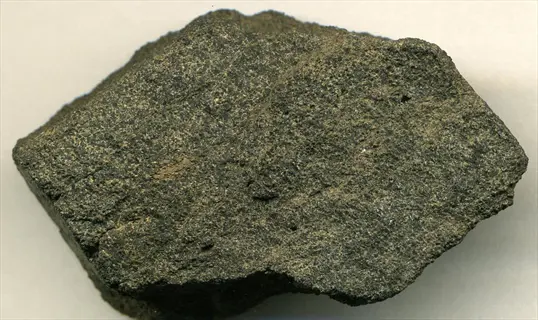
Rock Phosphate
- NPK ratio: Approximately zero zero point five zero with about twenty percent total phosphorus released slowly over multiple years.
- Vegan friendly: Mined from natural phosphate rock deposits, making it suitable for vegan and vegetarian gardeners avoiding animal byproducts.
- Release time: Extremely slow release over three to five years, ideal for long-term soil building rather than current season needs.
- Soil pH: Works best in acidic soils below pH six point five, similar requirements to bone meal for phosphorus availability.
- Best uses: Long-term garden bed amendment, orchard establishment, perennial bed preparation where slow nutrient release supports years of growth.
- Application rate: Apply ten pounds (4.54 kg) per one hundred square feet (9.29 square meters) for soil building, less for maintenance feeding.
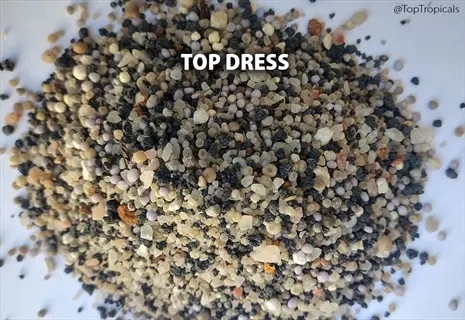
Fish Bone Meal
- NPK ratio: Approximately three eighteen zero, very similar to terrestrial bone meal but sourced from fish industry byproducts instead.
- Sourcing benefit: Fish bone meal avoids BSE and mammalian disease concerns, making it preferred by some organic gardeners over land-animal bone meal.
- Release time: Releases phosphorus over two to four months, slightly faster than steamed terrestrial bone meal in most soil conditions.
- Trace minerals: Contains additional trace minerals from marine sources, including iodine and other micronutrients not found in terrestrial bone meal.
- Best uses: Excellent substitute for bone meal in flowering bulb beds, transplanted vegetables, and root crops requiring strong phosphorus support.
- Application rate: Use the same rates as terrestrial bone meal, around five pounds (2.27 kg) per one hundred square feet (9.29 square meters).

Seabird Guano
- NPK ratio: About one ten one, with balanced phosphorus and small amounts of nitrogen and potassium for many plant needs.
- Release time: Releases nutrients faster than bone meal, over one to two months, making it suitable for mid-season feeding applications.
- Source note: Harvested seabird droppings from coastal sites, considered organic but raises ethical sourcing questions for some gardeners.
- Calcium content: Contains less calcium than bone meal, so pair with another calcium source like gypsum for blossom end rot prevention.
- Best uses: Flowering plants, fruiting vegetables, and bulbs benefit from the faster phosphorus release compared to slow bone meal.
- Application rate: Apply two to four pounds (0.91 to 1.81 kg) per one hundred square feet (9.29 square meters) at planting time.
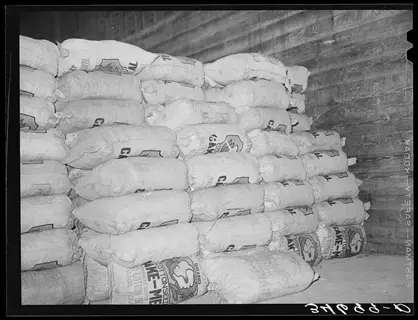
Cottonseed Meal
- NPK ratio: Approximately six two one, providing more nitrogen than bone meal but less concentrated phosphorus per pound applied.
- Vegan friendly: Plant-based byproduct of cotton processing, making it the most popular vegan substitute for bone meal in organic gardens.
- Acidifying effect: Slightly acidifies soil as it breaks down, beneficial for acid-loving plants like azaleas, blueberries, and rhododendrons.
- Release time: Releases nutrients over two to three months, slightly faster than bone meal under typical soil conditions.
- Best uses: Acid-loving plants, container gardens, and mixed feeding programs where moderate phosphorus and added nitrogen are wanted.
- Application rate: Apply four pounds (1.81 kg) per one hundred square feet (9.29 square meters) and work into soil before planting.
Colloidal Phosphate
- NPK ratio: Approximately zero two zero with twenty percent total phosphorus, similar to rock phosphate but finer and more bioavailable.
- Vegan friendly: Made from soft phosphate rock byproducts of hard rock phosphate mining operations, fully plant-based and vegan compatible.
- Release time: Slow release over two to three years, faster than rock phosphate due to finer particle size and surface area.
- Soil binding: Binds excess aluminum and iron in acidic soils, improving soil chemistry while providing slow phosphorus release for plants.
- Best uses: Long-term garden beds, perennial plantings, fruit tree establishment, and any setting where slow consistent phosphorus delivery helps.
- Application rate: Apply five to ten pounds (2.27 to 4.54 kg) per one hundred square feet (9.29 square meters) for soil amendment.
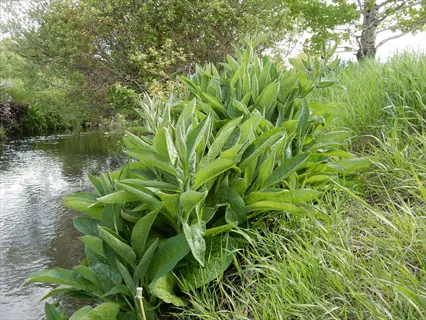
Comfrey Leaves
- NPK ratio: Approximately one point eight zero point five five point three, with strong potassium and modest phosphorus from deep taproot nutrient mining.
- Vegan friendly: Grow comfrey in your own garden and harvest leaves, making it a free renewable vegan source of mineral nutrients.
- Application methods: Use as chopped mulch, compost activator, or brewed into liquid comfrey tea for foliar feeding and soil drenching.
- Release time: Decomposes within two to four weeks when chopped and applied as mulch, providing fairly quick nutrient release.
- Best uses: Tomatoes, peppers, fruit trees, and heavy feeders benefit from comfrey tea applications throughout the growing season.
- Growing comfrey: Plant Bocking 14 cultivar which is sterile and will not spread invasively, allowing controlled harvest production yields.
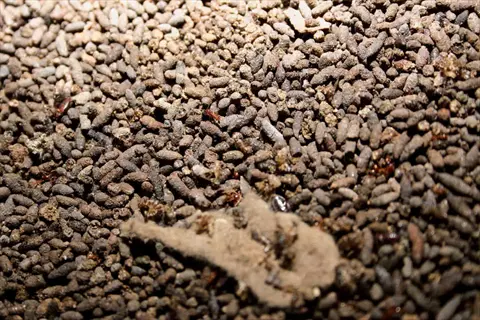
Bat Guano (High Phosphorus)
- NPK ratio: Approximately three ten one for high-phosphorus bat guano, harvested from older cave deposits with mineralized phosphorus content.
- Release time: Releases nutrients faster than bone meal, over one to two months, providing quicker visible plant response.
- Source note: Harvested from bat caves, raising sustainability concerns about bat populations and habitat disturbance from commercial collection.
- Application versatility: Use as soil amendment, top dressing, or brewed into bat guano tea for liquid foliar and root applications.
- Best uses: Flowering bulbs, fruiting vegetables, and bloom-stage flowering plants needing concentrated phosphorus boost during peak demand.
- Application rate: Use sparingly at one to two tablespoons (15 to 30 g) per plant or two pounds (0.91 kg) per one hundred square feet (9.29 square meters).
5 Common Myths
Bone meal works as an instant nutrient boost for any plant in any soil within days of application.
Bone meal is slow-release and takes one to four months to break down, requiring acidic soil microbes to become plant available.
Every garden needs bone meal because phosphorus is always lacking in home garden soils across all regions.
Most established garden soils already contain adequate phosphorus, and applying more without a soil test wastes money and harms soil biology.
Bone meal is completely safe for pets and wildlife since it is made from natural organic animal sources.
Bone meal ingestion ranked top ten in ASPCA pet poison control calls in two thousand seventeen and attracts scavengers.
Bone meal and blood meal are basically the same product and can be used interchangeably in any garden setting.
Bone meal supplies phosphorus and calcium with low nitrogen, while blood meal is high in nitrogen and serves a different purpose.
Adding more bone meal always produces bigger flowers, stronger roots, and higher vegetable yields in any garden.
Excess phosphorus suppresses mycorrhizal fungi, causes chlorosis through iron and zinc lockout, and can actually reduce plant health.
Conclusion
Bone meal fertilizer works best as a prescription, not a daily vitamin. Run a soil test first. Confirm pH below 7.0. Check your phosphorus reading. Skip the bag if you do not need the nutrient. That single rule lifts your garden planning above the loose advice in most blogs.
Peer reviewed data backs this up. The MDPI 2021 study found that bone meal leaches only 13% to 17% of its nitrogen while mineral fertilizers lose 31%. That makes it a smart sustainable amendment for any organic gardening plan. I shifted my own beds to this slow release plan three years ago and saw cleaner runoff.
Match the right phosphorus source to the right soil. Pick a vegan substitute when your beliefs call for it. Pick fish bone meal when BSE concerns weigh on your mind. Pick rock phosphate for long term soil building. Test, then treat is the golden rule for any amendment you reach for.
Your soil rewards the gardener who measures before adding. Use the rate tables, watch for chlorosis, protect your mycorrhizal partners, and keep pets safe. You now have the full toolkit to make bone meal work or to know when to walk past it on the store shelf.
External Sources
Frequently Asked Questions
Which plants benefit from bone meal?
Flowering bulbs, root vegetables, roses, peonies, tomatoes, peppers, garlic, and onions benefit most from bone meal.
When should you not use bone meal?
Avoid bone meal in these situations:
- When soil pH is above seven point zero
- When soil tests show adequate phosphorus levels
- When pets or wildlife frequent the garden area
- When mycorrhizal fungi inoculants are being used
What is a bone meal fertilizer?
Bone meal fertilizer is a slow-release organic amendment made from steamed and ground animal bones rich in phosphorus and calcium.
Is bone meal better than fertilizer?
Bone meal is not better in all cases, it works as a supplement for phosphorus and calcium, not a complete fertilizer.
What plants should you not use bone meal on?
Skip bone meal for these plant types:
- Acid-loving plants in already acidic soil
- Leafy greens needing more nitrogen
- Plants in alkaline soil above pH seven
- Hydroponic systems without soil microbes
Can I sprinkle bone meal on top of soil?
You can sprinkle bone meal on top, but mixing it into the soil and watering well improves nutrient availability and reduces pest attraction.
How to use bone meal as a fertilizer?
Follow these application steps:
- Test soil pH and phosphorus levels first
- Apply five to ten pounds per one hundred square feet
- Mix into the top four inches of soil
- Water thoroughly after application
What is a substitute for bone meal fertilizer?
Common substitutes include rock phosphate, fish bone meal, seabird guano, cottonseed meal, colloidal phosphate, comfrey, and bat guano.
What are the disadvantages of bone meal?
Bone meal has several drawbacks to consider:
- Only works in acidic soil below pH seven
- Disrupts mycorrhizal fungi when overapplied
- Attracts pets, raccoons, and skunks
- Carries minor contamination concerns from animal sources
Is bone meal a N-P-K fertilizer?
Bone meal is technically an NPK fertilizer but it primarily provides phosphorus, with a typical ratio of three fifteen zero.