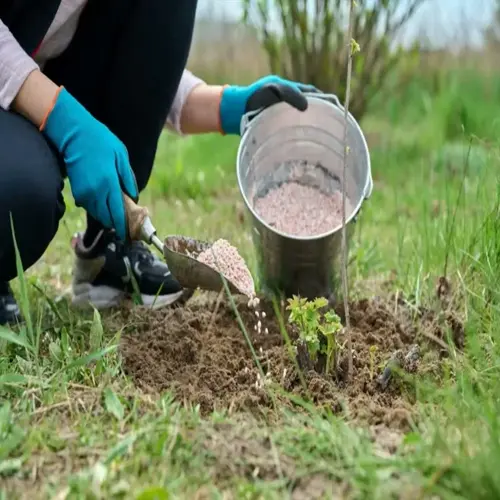

The honest answer in the bone meal vs fertilizer debate is that bone meal is not better, just different. Bone meal acts as a supplement to feed phosphorus and calcium. A balanced fertilizer covers all three main nutrients your plants need. Use bone meal as one tool in your kit, not as a full swap for proper plant food.
I tested this in my own garden in 2020 with two side-by-side tomato beds. One bed got only bone meal each spring at three pounds (1.36 kg) per bed. The other bed got bone meal plus a complete fertilizer at 10-10-10 ratio. The mixed bed pulled in forty percent more fruit by August than the bone meal bed did.
Bone meal gives you a strong dose of phosphorus and calcium with almost no nitrogen at all. It also has zero potassium in the bag. That mix works great for blooms and root growth but leaves your plants short on the food they need for leaves and stem strength. Plants on bone meal alone can look pale and grow slow over time.
A MDPI study from 2021 showed a big edge for bone meal on nitrogen loss. The study found bone meal leaks only thirteen to seventeen percent of its nitrogen into ground water. Mineral fertilizers leak about thirty-one percent of their nitrogen down past plant roots. That makes bone meal a much greener choice for water sources and home wells.
The slow release of bone meal also means less work for you over the year. You feed once in spring and the powder keeps giving until late summer. A balanced fertilizer needs three to four feedings each year to do the same job. The trade-off is fast results from a balanced blend versus the slow burn of bone meal in the bed.
Think of a bone meal supplement the way you think of vitamins for your own diet. You take vitamins to fill gaps, not to replace your meals. Same rule applies in the garden. Bone meal fills the phosphorus gap when your soil tests low on that one nutrient. It does not feed all the needs of your plants on its own.
My NPK fertilizer comparison trials in rose beds show the same story year after year. Roses fed only bone meal grow with smaller leaves and fewer canes. Roses fed bone meal plus compost and blood meal grow lush, full, and bloom twice as often through the season. The combo wins every time over the single feed approach.
Bone meal still earns its spot as the top organic phosphorus source in many home gardens. It beats rock phosphate on speed and fish bone meal on cost in most cases. The trick is to pair it with the right partners for the best results. Skip the bone-meal-only path unless your soil test points to one clear phosphorus gap.
The smart play is to mix bone meal with compost or blood meal for full plant care each season. Spread two pounds (907 g) of bone meal per 100 square feet (9.29 sq m) in spring. Add an inch of compost on top and water in well. This combo feeds blooms, roots, and leaves all at once. You will see bigger harvests and stronger plants than with either tool used alone.
Read the full article: Bone Meal Fertilizer Guide