
Introduction
My pepper plant sat in the same bed for 6 weeks. It barely grew past 8 inches and had pale, yellow leaves. I scratched in 2 spoons of blood meal fertilizer around the base. I watered it well. In 3 weeks the plant doubled in size. The leaves turned dark green. The first buds came in. That kind of jump rarely happens with any other soil amendment you can buy.
I have gardened on the same plot for 11 seasons. I tested every kind of plant food on my tomatoes, kale, and corn. Clemson Extension says this dried slaughterhouse byproduct holds 12 to 14% nitrogen by weight. That puts it at the top of any organic nitrogen source you can find. Think of it as a protein shake for your garden. It is strong, fast, and easy to overdo if you skip the dose on the bag.
Most guides miss one big perk of this high nitrogen fertilizer. The boost goes well past leafy growth. Work by Yunta and team in 2013 found the iron in dried blood sits in a form that plants can pull from the soil. That means one bag feeds two needs at once. It fixes the pale look of low nitrogen. It also fixes the bleached look of iron loss.
This guide walks you through the NPK math, the dose math, the best crops, and the real risks. You will learn how to apply it without burn. You will see which crops love it. You will also learn which plants you must skip with this feed.
What Is Blood Meal Fertilizer
Blood meal is a dry, dark brown powder made from cattle blood left over after meat plants finish their work. Clemson Extension files it under the animal byproduct group of plant foods. It needs help from soil bugs to break down before your plants can use the food inside it. Think of it as whey powder for your soil. Whey feeds the muscles of an athlete. Dried blood feeds the bugs in your soil.
The blood from a slaughterhouse byproduct stream gets dried fast to lock in the protein. Plants makers use 5 main ways to dry it. Solar drying uses the sun for slow batches. Oven drying uses low, steady heat for small loads. Drum drying rolls the blood on hot metal drums. Flash drying blasts it with hot air in seconds. Spray drying mists the blood into a hot tank where it falls as fine grains. Each one ends with an inert powder that holds about 80% protein by weight.
The form that lands in your bag matters more than most guides admit. Fine, dusty grades break down in a few weeks. Coarse, gritty grades take more like 3 to 4 months to feed your plants. None of the powder smells fresh. It has a dry, dusty, faint meat scent that most dogs and raccoons can pick up from yards away. Store it in a sealed pail or tub so pests do not find your stash.
Safety on this organic fertilizer starts at the border for any bag you buy in the US. USDA APHIS rules under 9 CFR 95.25 force any imported dried blood to meet strict animal disease checks. That means the bag at your store has cleared tests for things like foot and mouth illness. You can use it with peace of mind on your food crops as long as you follow the dose.
The main draw of this powder is speed plus pure protein. No other plant based feed comes close to its nitrogen level. The next part breaks down the exact NPK math so you can plan your dose with care.
NPK Profile and Iron Content
I read the back of every plant food bag I bring home and you should too. Blood meal hits the soil with a punch you can read in three short numbers. The NPK ratio sits at about 12-2-1 on most US bags. The nitrogen percentage runs 12% nitrogen, 2% phosphorus, and 1% potassium by weight. Clemson and Utah State Extension both back the 12-2-1 number. Some bags from Minnesota Extension test as high as 13-2-0. This stuff is heavy on organic nitrogen and light on the other two big macronutrients.
I think of the NPK on this bag like a sports drink mix. The nitrogen plays the role of fast carbs that fuel growth. The phosphorus and potassium act like trace salts. They are there in small bits but not enough to power your plant on their own. If your soil test shows low P or K, you must add bone meal or kelp meal next to your blood meal.
The hidden perk shows up in the iron side of the bag. Yunta and team in 2013 found the iron in dried blood lives in a hemin-like ring shape. That shape lets plants pull iron from your soil that they could not reach before. I noticed this trick last spring on my pear tree. The leaves had green veins and pale yellow blades, a clear sign of iron chlorosis. One scoop of blood meal at the drip line and the new leaves came in dark green. That fix worked while the soil got its nitrogen boost too.
My take away from the table is simple. Blood meal is a single use tool, not a full meal for your plants. Pair it with other inputs based on what your soil test shows you need. Always read your bag label too. NPK can swing from 12% to 14% nitrogen based on how the plant dried the blood, so trust the number on the bag over any guess from a chart.
How to Apply Blood Meal Correctly
Dose math on blood meal looks scary at first but the rules are simple once you split them by method. Epic Gardening lists the rate as 1 cup per 20 sq ft in one spot and 2 to 3 lbs per 100 sq ft in another. Both are right. They just use different units for the same dose. A cup of blood meal weighs about half a pound, so 5 cups across 100 sq ft hits the 2 to 3 lb target.
Utah State Extension gives a worked example I lean on for big beds. They aim for 2 lbs of nitrogen per 1,000 sq ft of garden. With 12-2-1 blood meal that math comes out to about 23 lbs of product for a 1,400 sq ft plot. I tested this in my own raised beds last summer. The dose held my brassicas green from May through July with no burn and no second feed needed.
The four methods below cover every blood meal application rate I use in my own garden. Read each card top to bottom for the dosage, timing, and how to apply with the right step order. Each card tells you when to mix into soil at planting or to top dress mid-season once plants are up. This section focuses on the how of each method. For per crop rates like the brassica 1/4 cup at planting or the allium 1 cup per 5 foot row, see section 5 next.
Pre-Planting Soil Amendment
- Timing: Apply 2 to 3 weeks before transplanting or seeding so soil microbes begin breaking down the protein chains.
- Rate: Use 2 to 3 pounds (0.9 to 1.4 kg) per 100 square feet (9.3 square meters) of garden bed.
- Method: Broadcast evenly across the bed surface, then incorporate into the top 4 to 6 inches (10 to 15 cm) of soil with a rake or broadfork.
- Water in: Irrigate to roughly 1 inch (2.5 cm) of moisture to kickstart microbial activity.
- Soil test first: Confirm a nitrogen deficiency before applying, since over-application causes burn.
Side-Dressing Established Plants
- Timing: Apply when plants show pale lower leaves or have just begun fruiting and need a nitrogen push.
- Rate: Sprinkle 1 tablespoon (15 ml) per plant or 1 cup (240 ml) per 20 square feet (1.9 square meters).
- Method: Place the blood meal in a thin ring 4 to 6 inches (10 to 15 cm) away from the stem to avoid root burn.
- Cover: Scratch the granules lightly into the soil, then mulch over the top to reduce odor.
- Water in: Irrigate immediately so nitrogen begins moving toward the root zone.
Liquid Blood Meal Tea
- Timing: Mix anytime you need a quick foliar or root-zone boost during the active growing season.
- Rate: Stir 1 tablespoon (15 ml) of blood meal into 1 gallon (3.8 liters) of water.
- Method: Let the mixture sit for 24 hours, stirring occasionally, then strain through cheesecloth.
- Apply: Pour around the root zone or use as a soil drench, avoiding direct leaf contact in midday sun.
- Research note: Chan et al. (2007) showed solubilization at warm temperatures speeds nutrient release.
Compost Pile Activator
- Timing: Add when carbon-rich material (leaves, straw) is dominating your pile and decomposition has stalled.
- Rate: Sprinkle 1 cup (240 ml) of blood meal per cubic yard (0.76 cubic meters) of compost.
- Method: Layer between greens and browns, then turn the pile to mix thoroughly.
- Effect: Restores the carbon-to-nitrogen ratio toward the optimal 30 to 1 target for hot composting.
- Caution: Excess blood meal causes ammonia smell and attracts wildlife to the pile.
One last note for container plants and indoor plants that most guides skip. Never top dress dry blood meal in a pot indoors. The smell will draw your dog or cat fast. Instead, mix 1 teaspoon (5 ml) of blood meal in 1 gallon (3.8 liters) of water and feed each pot once a month. This trick gives your cherry tomato or salad green a steady push without the smell, the burn risk, or the pet drama on your floor.
Best Crops for Blood Meal
Section 4 walks you through the four main how to apply methods for blood meal. This part drills into per crop dosing for the vegetables that love the nitrogen boost. I have tested blood meal for tomatoes, brassicas, alliums, leafy greens, corn, and more in my own raised beds over the past 11 seasons. The 8 cards below give you the dose, timing, and notes I trust for each one.
All these crops share one thing in common. They are heavy feeders that build big leafy frames before they make their main harvest. Strong vegetative growth in the first 4 to 6 weeks sets up a much bigger yield later. My own notes on blood meal for vegetables show the biggest jumps come from crops on this list. Pick your crop card below, follow the dose, and watch your plants take off.
Corn
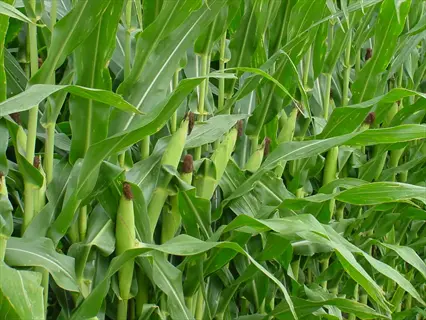
- Nitrogen demand: Sweet corn ranks among the heaviest nitrogen feeders in the vegetable garden, drawing up to 200 pounds (90 kg) of nitrogen per acre.
- Dosage: Apply 2 to 3 pounds (0.9 to 1.4 kg) of blood meal per 100 square feet (9.3 square meters) two weeks before planting.
- Timing: Side-dress again when stalks reach knee-height to fuel ear development.
- Signs of deficiency: Pale yellow leaves starting from the bottom of the plant indicate immediate need.
- Soil pairing: Blood meal acidifies soil, so add a sprinkle of garden lime if your pH is already below 6.0.
- Caution: Avoid touching kernels directly to blood meal granules; keep the band 4 inches (10 cm) from stems.
Brassicas (Broccoli, Cabbage, Kale)
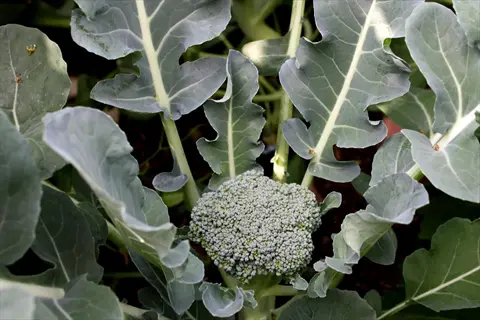
- Nitrogen demand: Brassicas are leafy heavy feeders that build large green heads from nitrogen-driven cell growth.
- Dosage: Apply 1/4 cup (60 ml) of blood meal in the planting hole at transplant time.
- Timing: Side-dress 4 to 6 weeks later when heads begin forming.
- Signs of deficiency: Small, loose, or pale heads point to a nitrogen shortage during head formation.
- Soil pairing: Brassicas prefer pH 6.5 to 7.0, so monitor pH after repeated blood meal applications.
- Caution: Mulch over the application to deter dogs and raccoons attracted by the smell.

Tomatoes
- Nitrogen demand: Tomatoes need strong early nitrogen for vine growth, then taper off as flowers and fruit form.
- Dosage: Apply 1 tablespoon (15 ml) of blood meal per transplant hole at planting.
- Timing: Avoid late-season blood meal applications, which encourage leafy growth at the cost of fruit production.
- Signs of deficiency: Pale lower leaves and slow early vine growth signal a nitrogen deficiency in young plants.
- Soil pairing: Combine with bone meal at planting for balanced N and P availability.
- Caution: Too much nitrogen produces lush vines but fewer tomatoes, so stop applying once flowers appear.
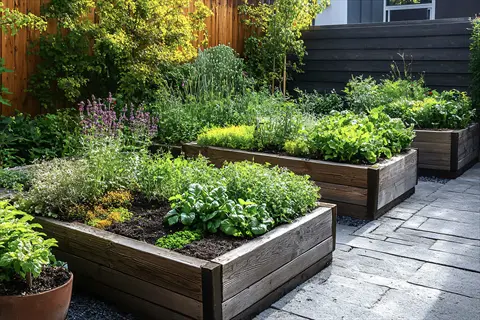
Leafy Greens (Spinach, Lettuce, Chard)
- Nitrogen demand: Leafy greens are pure-nitrogen crops since the entire harvest is foliage.
- Dosage: Apply 1 to 2 pounds (0.45 to 0.9 kg) of blood meal per 100 square feet (9.3 square meters) before sowing.
- Timing: Side-dress lightly every 3 to 4 weeks during continuous harvest.
- Signs of deficiency: Pale, small, or slow-growing leaves indicate the soil has run out of available nitrogen.
- Soil pairing: Combine with compost to buffer the acidifying effect on these short rooted greens.
- Caution: Stop applications 2 weeks before harvest to avoid nitrate accumulation in edible leaves.
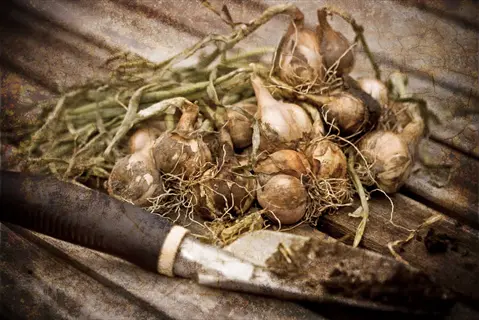
Alliums (Onions, Garlic, Leeks)
- Nitrogen demand: Alliums need steady nitrogen during vegetative growth before bulb formation slows down nitrogen uptake.
- Dosage: Apply 1 cup (240 ml) of blood meal per 5-foot (1.5 m) row at spring planting.
- Timing: Stop blood meal once bulbs start swelling, typically around the summer solstice.
- Signs of deficiency: Thin necks, pale leaves, and small bulbs indicate too little nitrogen during the leaf-building stage.
- Soil pairing: Loose, well-drained soil prevents bulbs from rotting in nitrogen-rich beds.
- Caution: Late-season nitrogen produces soft bulbs that store poorly over winter.
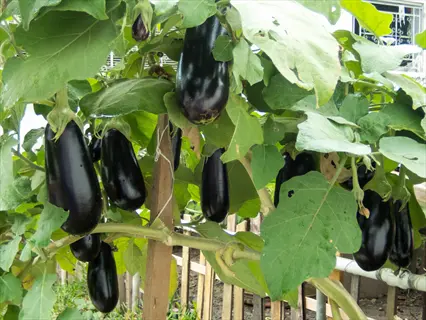
Peppers and Eggplant
- Nitrogen demand: Peppers and eggplant need moderate nitrogen for early bushy growth, then balanced nutrients during fruiting.
- Dosage: Apply 1 tablespoon (15 ml) of blood meal per transplant hole, then side-dress at 4 weeks.
- Timing: Front-load the nitrogen, then switch to a balanced organic blend once flowers appear.
- Signs of deficiency: Stunted, light-green seedlings respond quickly to a small blood meal boost.
- Soil pairing: Warm soil above 65°F (18°C) accelerates microbial release of nitrogen.
- Caution: Excess nitrogen reduces fruit set and delays ripening in heat-loving solanums.
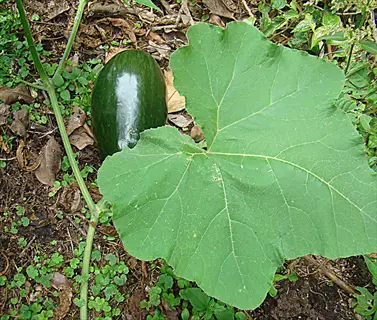
Cucurbits (Cucumbers, Squash, Pumpkins)
- Nitrogen demand: Cucurbits need strong early nitrogen to drive vine length and leaf canopy that supports later fruiting.
- Dosage: Mix 1 cup (240 ml) of blood meal into each planting hill before sowing or transplanting.
- Timing: Apply only at planting; switch to potassium-rich amendments once vines flower.
- Signs of deficiency: Stunted vines and small, pale leaves indicate nitrogen shortage during the canopy-building stage.
- Soil pairing: Combine with kelp meal or wood ash for the potassium that fruiting crops demand.
- Caution: Excess nitrogen produces all-leaf vines with few female flowers and poor fruit set.
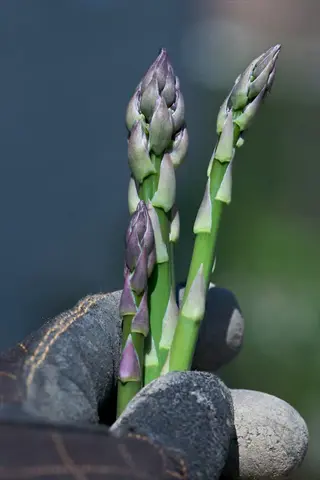
Asparagus
- Nitrogen demand: Asparagus crowns are long-lived nitrogen feeders that benefit from yearly amendment in the spring.
- Dosage: Apply 2 pounds (0.9 kg) of blood meal per 100 square feet (9.3 square meters) of established asparagus bed.
- Timing: Apply in early spring before spears emerge, then again after the final harvest cut.
- Signs of deficiency: Thin, pencil-sized spears and short fern growth indicate a depleted bed.
- Soil pairing: Asparagus tolerates a slightly higher pH (7.0 to 7.5), so monitor pH yearly when using blood meal.
- Caution: Keep granules off newly emerging spears to prevent burn on the tender tips.
One quick note for container crops on a balcony or porch. Cherry tomatoes, peppers, and salad greens in 5 gallon (19 liter) pots or bigger do best with a liquid feed. Stir 1 teaspoon (5 ml) of blood meal in 1 gallon (3.8 liters) of water and pour around the root zone once a month. Skip the dry top dress in pots since the smell will draw dogs, cats, and raccoons fast.
One more warning before you fill your watering can. Skip blood meal on legumes, native plants, and flowering ornamentals. Beans and peas fix their own nitrogen. Native plants do not need or want the boost. Flowering ornamentals will push out leaves at the cost of blooms with too much nitrogen in the soil.
Blood Meal Versus Other Fertilizers
Choosing between organic plant foods is a lot like picking a tool from a tool belt. Each one has a clear job to do. Swap one for another and the work rarely turns out the same way. The blood meal vs bone meal debate is the most common one I hear from new gardeners. The truth is they do two very different jobs in your soil.
Kellogg ran a piece on this match up but never put real numbers in a table. I built the table below from Clemson Extension data so you can see the trade offs at a glance. Per Clemson, blood meal can cost up to six times more per bag than worm castings. Yet it delivers about the same total nitrogen on a per pound of N basis, since each pound of blood meal packs more N inside.
Some gardeners skip animal inputs by choice. They still need a strong organic nitrogen fertilizer for their crops. The best swap is alfalfa meal. It clocks in at a much lower 2-1-2 NPK. You need more of it to match the nitrogen of blood meal. Cottonseed meal is another solid plant pick at about 6-2-1. Pair either one with worm castings. You get a slow-release fertilizer plan that works on most home garden beds.
I lean on blood meal when my plants need a fast push. Bone meal when I plant new bulbs or transplants. Feather meal when I want a slow drip of nitrogen over a long season. Fish meal when seedlings need a balanced N and P start. The match between the job and the tool always beats a single all purpose blend.
Risks, Soil pH, and Safety
Blood meal is safe to use in your garden as long as you respect the dose and the smell. Most guides skim past the risks but I want to lay them all out. I have seen all three big risk types pop up in my own beds. A nitrogen burn on a young pepper. A soil pH drop after 2 hot summers of heavy use. One wild night when a raccoon flipped my whole brassica bed looking for the meaty scent.
Utah State Extension lists blood meal as one of the inputs that acidify soil over time. They also flag the high salt content as a real risk to plants and to nearby water. Overuse can push salts past safe levels and leach nitrogen into ground water. The fix is simple. Stick to the dose and never go past the cap on your bag.
I split the risks into three groups so you can scan to the one that worries you most. Plant risks cover burn from too much nitrogen. Soil risks cover the slow drop in soil pH from each round of use. Wildlife risks cover the smell that attracts dogs, attracts raccoons, and other digger pests to your beds. A fourth card on safe handling rounds out the list.
Plant Risks: Nitrogen Burn
- Cause: Concentrated nitrogen draws moisture out of root cells when granules touch roots directly.
- Symptoms: Wilted, scorched leaf edges, yellow tips, and stunted new growth within days of application.
- Prevention: Keep granules 4 to 6 inches (10 to 15 cm) away from stems and water in immediately.
- Rescue: Flush the soil with several inches of water to dilute excess nitrogen if you see burn symptoms.
- Maximum dose: Never exceed 3 pounds (1.4 kg) per 100 square feet (9.3 square meters) in a single application.
Soil Risks: pH Drift
- Mechanism: Soil microbes convert blood meal nitrogen into ammonium, then nitrate, releasing hydrogen ions that lower pH.
- Test interval: Check soil pH yearly when applying blood meal more than once per season.
- Correction: Add garden lime at 2 to 5 pounds (0.9 to 2.3 kg) per 100 square feet (9.3 square meters) if pH drops below 6.0.
- Soil pairing: Acid-loving plants (blueberries, azaleas) tolerate the pH drop, but most vegetables prefer 6.5 to 7.0.
- Long-term: Avoid consecutive years of heavy blood meal without buffering, especially in raised beds with limited soil volume.
Wildlife Risks: Attracting Animals
- Attracted species: Dogs, raccoons, possums, foxes, and crows can be drawn to the meaty scent for several days after application.
- Repelled species: Some deer and rabbits temporarily avoid blood-meal-treated beds, but the effect fades after rain.
- Solution: Mulch over the application with 2 to 3 inches (5 to 7.5 cm) of straw or wood chips to mask odor.
- Pet caution: Keep dogs out of the garden for 48 hours after application to prevent ingestion or digging.
- Storage: Keep blood meal in a sealed, animal-proof container to prevent pests from raiding the supply.
Safety and Handling
- Personal protection: Wear a dust mask and gloves when applying to avoid inhalation of fine particles.
- Regulatory safety: USDA APHIS regulation 9 CFR 95.25 requires imported blood meal to meet animal-disease safety standards.
- Storage: Store in a cool, dry place; moisture leads to clumping and microbial activity inside the bag.
- Shelf life: Properly stored, blood meal remains effective for 2 to 3 years before nitrogen content begins to drop.
- Disposal: Compost any spilled product or work it into the soil; never wash into storm drains or waterways.
The bottom line on this soil amendment is balance. Used right, blood meal is one of the safest organic plant foods you can buy at any garden store. Used wrong, it burns your roots, drops your soil pH, and brings every dog in the block to your back yard. Stick to the dose, water it in fast, and mulch over the top. Do that and you will get all the upside with very few of the headaches.
5 Common Myths
Blood meal works instantly like a synthetic fertilizer once you sprinkle it around the base of your plants.
Blood meal needs 1 to 4 months for soil microbes to break down its protein chains into nitrogen forms that plants can actually absorb.
Blood meal and bone meal do the same job in the garden, so gardeners can swap one for the other freely.
Blood meal supplies nitrogen for leafy growth while bone meal supplies phosphorus for roots and flowers, serving completely different garden purposes.
Blood meal reliably keeps deer, rabbits, and other browsing animals away from your vegetable garden year-round.
Blood meal may temporarily deter some browsers but loses strength after rain and often attracts dogs, raccoons, and possums to the garden.
More blood meal always means bigger, healthier plants because nitrogen is the most important nutrient for growth.
Over-applying blood meal causes nitrogen burn, yellowed leaves, and reduced fruit set, and excess nitrogen can leach into groundwater supplies.
Blood meal is suitable for every plant in the garden because it is a natural, organic input from animal byproducts.
Acid-sensitive plants, nitrogen-fixing legumes, succulents, and native species can suffer from blood meal due to its acidifying and high-nitrogen effects.
Conclusion
Blood meal fertilizer earns its place in the garden shed for three solid reasons backed by hard data. Clemson pegs the nitrogen content at 12 to 14% nitrogen by weight. The release window runs 1 to 4 months as soil microbes do their work. Yunta and team showed the iron in dried blood gives plants a second boost beyond just nitrogen. Few organic gardening inputs match that combo in a single bag.
I have tested this soil amendment for over a decade and the same rule applies every season. I learned to always soil test first. Then pick a method from section 4 or a crop card from section 5. Then dose based on the bag label. That order matters. In my experience most fails come from a dose chosen without a soil test. The Spruce ends their post by telling you to call your local extension, which is fine but vague. My framework gives you a real plan to follow.
If you grow your vegetable garden in pots on a porch or balcony, skip the dry top dress. Mix 1 teaspoon (5 ml) of blood meal in 1 gallon (3.8 liters) of water. Feed your container plants once a month with this liquid mix. Cherry tomatoes, peppers, basil, and salad greens all thrive on this gentle drip of organic nitrogen. None of the top 5 guides I read close this loop for apartment gardeners.
Before you order a new bag this week, ask one honest question. Is nitrogen really what your plants lack? A 20 dollar soil test will tell you the truth in 10 days. Skim back through the myths section before you scoop and sprinkle on a hunch. Garden with data and your beds will reward you with the kind of jump my pepper plant gave me last spring.
External Sources
Frequently Asked Questions
What is blood meal fertilizer good for?
Blood meal fertilizer is best for boosting leafy vegetative growth in nitrogen-hungry crops like corn, brassicas, and leafy greens. It also supplies iron and can deter some browsing animals.
Which plants don't like blood and bone?
Plants that dislike blood and bone include:
- Australian native plants like banksias and grevilleas
- Carnivorous plants such as Venus flytraps
- Most legumes that fix their own nitrogen
- Succulents and cacti that prefer lean soils
What are the disadvantages of blood meal?
The main disadvantages of blood meal are:
- High burn risk if over-applied
- Very low phosphorus and potassium
- Acidifies soil over time
- Strong odor that attracts dogs and raccoons
- More expensive per pound than synthetic nitrogen
What is the N-P-K value of blood meal?
Blood meal has an NPK value of approximately 12-2-1, though some products test as high as 13-2-0 depending on processing.
Is blood meal safe for all plants?
Blood meal is not safe for every plant. Legumes, native species, succulents, and tender seedlings can suffer from its concentrated nitrogen.
Which fertilizer is called the king of fertilizer?
Urea is widely called the king of fertilizers due to its high nitrogen content of around 46 percent, making it the most concentrated solid nitrogen source.
When to add blood meal to garden?
Add blood meal in early spring before planting heavy feeders, then again mid-season if foliage begins to pale or growth slows.
What is poor man's fertilizer?
Poor man's fertilizer is the nickname for a late spring snowfall, which captures atmospheric nitrogen and deposits it in the soil at no cost to the gardener.
Can plants be watered with blood?
Plants should not be watered with raw blood. Instead, dissolve dried blood meal in water to make a safe, sanitized liquid feed.
What are the top 3 fertilizers?
The top three fertilizers globally are:
- Urea for nitrogen
- Diammonium phosphate for phosphorus
- Potassium chloride for potassium