
Introduction
U.S. growers picked 789.5 million pounds of fruit in 2024 worth $1.15 billion. Your own blueberry bushes can grab a slice of that boom too. Most folks think you need a farm to grow this much. The truth is your yard can do the job.
I planted my first four bushes back in 2018. I lost two within a year. I had trusted the dirt in my yard without a test. That hard lesson pushed me to read every land grant guide I could find. Now my patch turns out 7 to 10 pounds (3.2 to 4.5 kg) per bush each summer.
Think of growing blueberries like a long-term savings account. Your small deposits in years 1 and 2 feel slow with no fruit to show. But after year 6 the payouts roll in for 40 years or more with the right care.
Backyard fruit growing took off after 2020. Seed firms still report big jumps in demand for berry plants today. This guide walks you through every step. You will learn how to pick the best blueberry varieties and fix your acidic soil for a strong home garden.
10 Best Blueberry Bush Varieties
Rutgers FS419 lists 25 named highbush cultivars alone. That count does not even include the Rabbiteye, Lowbush, or Half-High types you can grow at home. I picked the 10 blueberry varieties below after testing many in my own beds. Each one earned its spot through real yield and grit in tough years.
Match each pick to your zone, your chill hours, and your harvest dates. Southern Highbush chill hours now stretch from 400 down to 0. That shift opens up blueberry growing to warm states that could never grow them before.
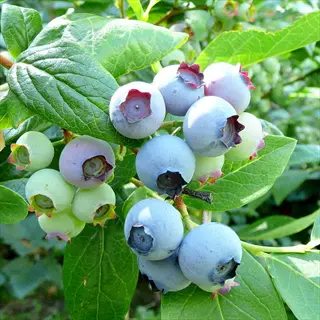
Bluecrop Northern Highbush
- Variety class: Northern Highbush, the most widely planted commercial blueberry across temperate North America.
- Climate fit: Thrives in USDA zones 4 to 7 with at least 800 chill hours below 45 degrees Fahrenheit (7 degrees Celsius).
- Mature size: Reaches 5 to 6 feet (1.5 to 1.8 m) tall and wide with an upright spreading habit.
- Yield expectation: Produces 10 to 20 pounds (4.5 to 9 kg) of medium to large light blue berries per mature plant.
- Harvest window: Mid-season ripening in mid-July with firm berries that hold well on the bush for 2 weeks.
- Pairing partner: Plant alongside Duke or Patriot to boost cross-pollination and overall fruit set significantly.
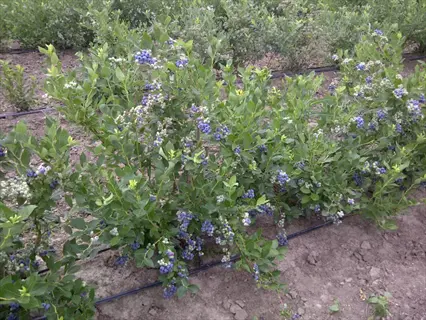
Duke Northern Highbush
- Variety class: Northern Highbush prized for its consistent early harvest and uniform berry quality across seasons.
- Climate fit: Performs reliably in USDA zones 4 to 7 with strong cold tolerance down to minus 20 degrees Fahrenheit (minus 29 degrees Celsius).
- Mature size: Grows 4 to 6 feet (1.2 to 1.8 m) tall with a sturdy upright form that resists wind damage.
- Yield expectation: Delivers 10 to 15 pounds (4.5 to 6.8 kg) of medium sized light blue berries with mild sweet flavor.
- Harvest window: Very early ripening starting late June, helping extend the harvest season at the front end.
- Pairing partner: Combine with Bluecrop or Patriot for overlap in bloom time and cross-pollination success.
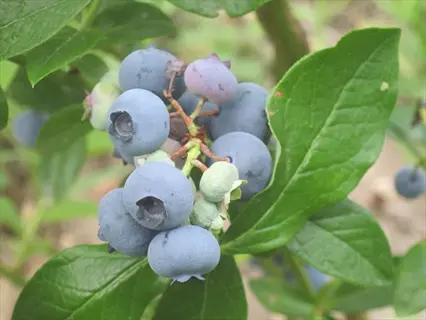
Patriot Half-High Hybrid
- Variety class: Half-High hybrid bred at the University of Maine for cold climate gardens and short summers.
- Climate fit: Suited to USDA zones 3 to 7, tolerating winter lows of minus 30 degrees Fahrenheit (minus 34 degrees Celsius).
- Mature size: Stays compact at 3 to 4 feet (0.9 to 1.2 m) tall, ideal for small yards and raised beds.
- Yield expectation: Yields 6 to 10 pounds (2.7 to 4.5 kg) of large, sweet, flattened berries with rich flavor.
- Harvest window: Early to mid-season harvest in early July, ahead of most main-crop varieties.
- Pairing partner: Pair with Northland or Chippewa to ensure pollination in cold northern gardens.
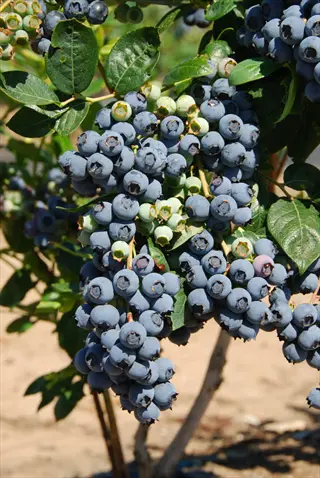
Tifblue Rabbiteye
- Variety class: Rabbiteye Vaccinium virgatum, the workhorse for southern gardens with heat and humidity tolerance.
- Climate fit: Best in USDA zones 7 to 9 with only 300 to 600 chill hours required to set fruit reliably.
- Mature size: Reaches 6 to 10 feet (1.8 to 3 m) tall, the largest of the home-garden classes.
- Yield expectation: Produces an impressive 15 to 25 pounds (6.8 to 11.3 kg) of light blue berries on mature plants.
- Harvest window: Late season ripening from mid-July into August, extending harvest beyond highbush types.
- Pairing partner: Plant with Climax or Premier for rabbiteye cross-pollination, which is essential for fruit set.
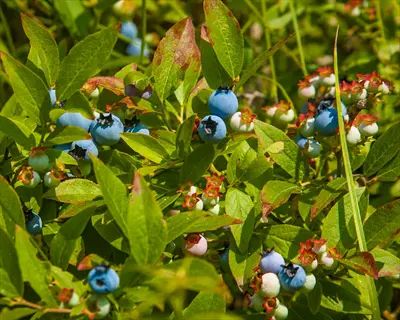
O'Neal Southern Highbush
- Variety class: Southern Highbush hybrid bred for warm climates with low chill requirements and early harvest.
- Climate fit: Thrives in USDA zones 7 to 10 with just 200 to 400 chill hours needed annually.
- Mature size: Grows 4 to 6 feet (1.2 to 1.8 m) tall with a moderately upright open habit.
- Yield expectation: Produces 6 to 10 pounds (2.7 to 4.5 kg) of very large, dark blue, sweet berries.
- Harvest window: Very early ripening in mid to late May in warm zones, weeks ahead of highbush types.
- Pairing partner: Match with Misty or Star Southern Highbush for overlapping bloom and pollination.
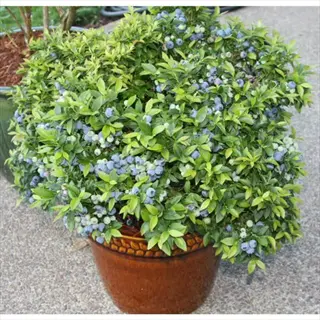
Top Hat Dwarf
- Variety class: Compact half-high hybrid bred at Michigan State University specifically for container culture and small spaces.
- Climate fit: Hardy in USDA zones 3 to 7 with strong cold tolerance and self-fertile flowering.
- Mature size: Stays petite at only 1.5 to 2 feet (0.5 to 0.6 m) tall and wide, perfect for patios.
- Yield expectation: Produces 1 to 2 pounds (0.5 to 0.9 kg) of small to medium sweet light blue berries.
- Harvest window: Mid-season ripening in mid-July with attractive crimson fall foliage as a bonus.
- Pairing partner: Self-fertile so no pollination partner required, though a second cultivar increases yields modestly.
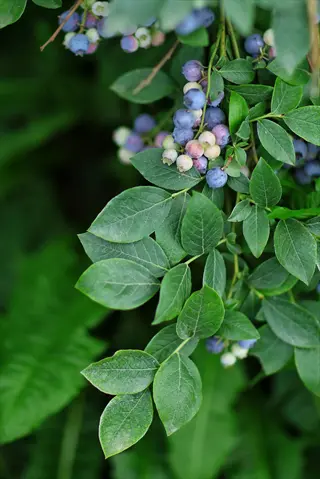
Legacy Northern Highbush
- Variety class: Modern Northern Highbush x Southern Highbush hybrid combining flavor with disease resistance.
- Climate fit: Adaptable across USDA zones 5 to 8, with semi-evergreen foliage in mild winters.
- Mature size: Grows 5 to 7 feet (1.5 to 2.1 m) tall with a vigorous spreading habit.
- Yield expectation: Produces 10 to 20 pounds (4.5 to 9 kg) of medium sized, exceptionally sweet, light blue berries.
- Harvest window: Mid to late season ripening from late July into August over a long window.
- Pairing partner: Plant with Bluecrop or Elliott for excellent pollination overlap and harvest sequencing.
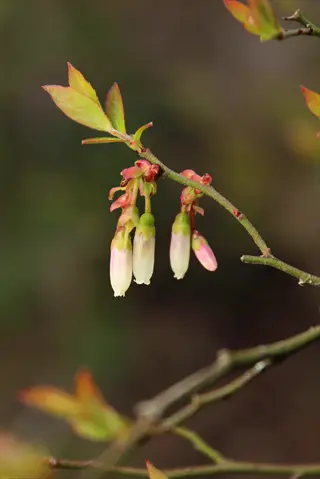
Elliott Northern Highbush
- Variety class: Late-season Northern Highbush bred to extend the blueberry harvest into August and beyond.
- Climate fit: Suited to USDA zones 4 to 7 with high cold tolerance and reliable bud hardiness.
- Mature size: Grows 5 to 7 feet (1.5 to 2.1 m) tall with an upright productive form.
- Yield expectation: Yields 10 to 20 pounds (4.5 to 9 kg) of medium, firm, tart-sweet light blue berries.
- Harvest window: Very late ripening from mid-August into September, the latest of the highbush cultivars.
- Pairing partner: Pair with Legacy or Bluecrop for season-spanning harvest from July through September.
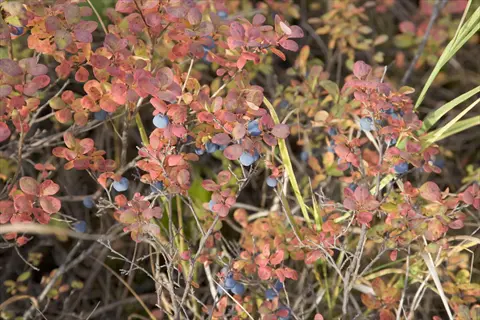
Northland Half-High
- Variety class: Half-High hybrid with reliable winter survival in the coldest blueberry growing regions.
- Climate fit: Hardy in USDA zones 3 to 7, tolerating temperatures as low as minus 35 degrees Fahrenheit (minus 37 degrees Celsius).
- Mature size: Grows 3 to 4 feet (0.9 to 1.2 m) tall and 4 feet (1.2 m) wide with a spreading form.
- Yield expectation: Produces 8 to 12 pounds (3.6 to 5.4 kg) of small to medium sweet wild-flavored berries.
- Harvest window: Early to mid-season ripening in early July, ahead of most highbush types.
- Pairing partner: Plant with Patriot or Chippewa for cold-climate pollination and consistent fruit set.
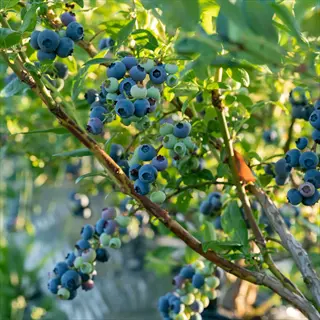
Climax Rabbiteye
- Variety class: Rabbiteye Vaccinium virgatum, an early-ripening southern workhorse with strong heat tolerance.
- Climate fit: Best in USDA zones 7 to 9 with low chill requirements of around 400 to 450 hours annually.
- Mature size: Grows 6 to 10 feet (1.8 to 3 m) tall, requiring more space than highbush varieties.
- Yield expectation: Yields 10 to 20 pounds (4.5 to 9 kg) of medium dark blue berries that ripen uniformly.
- Harvest window: Very early for a rabbiteye, ripening in late May to early June across the South.
- Pairing partner: Plant with Tifblue or Premier rabbiteye for required cross-pollination and overlapping bloom.
Plant at least two named cultivars with bloom times that overlap if you want strong fruit set. A lone bush will still bear, but you can lose 30% to 50% of your yield with no cross pollination.
Mix early, mid, and late types to stretch your harvest from May through September. That trick alone gave my small patch a four month picking window last year.
Soil and Site Requirements
Blueberries crave acidic soil for blueberries down in the pH 4.0 to 5.5 range, well below what most home yards offer. UMN warns that above pH 5.5 the plant cannot pull nutrients from the soil. Leaves yellow, growth slows, and the bush may die within a year.
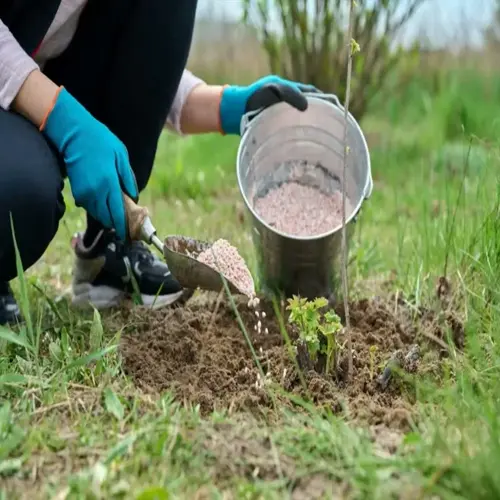
Most home soils sit between pH 6.0 and 7.0. That gap means almost every gardener needs to amend the soil 3 to 4 months before planting day. I follow a simple 4 step plan for blueberry soil pH: test, amend, wait, retest. For sandy soil, NCSU sets the sulfur for blueberries rate at 1.0 lb (0.45 kg) per 100 sq ft (9.3 sq m). That dose drops pH by 1 full unit.
Pick a well-drained soil site with at least 6 hours of full sun each day. Mix 4 to 6 inches (10 to 15 cm) of peat moss amendment into the top of your bed to lift organic matter above 3%. Skip clay flats where water sits after rain.
Get this prep right and the rest of blueberry care turns easy for years to come. Get it wrong and no amount of feeding or watering will save your plants.
Planting Blueberry Bushes
Knowing how to plant blueberry bushes the right way sets up the next 40 years of harvests. I learned this the hard way after my first planting hole was too tight and not deep enough. The roots circled and choked. Plan when to plant blueberries for cool wet soil and your bushes will reward you with strong cane growth in year 1.
Follow these 5 steps for blueberry spacing, planting depth, and after-care. Each one builds on the last, so do not skip ahead.
Choose the Right Planting Time
- Cool climates: Plant in late April or early May after the last hard frost when soils warm above 50 degrees Fahrenheit (10 degrees Celsius).
- Mild winter regions: Plant in late October or November so roots can establish in cool moist soil before spring growth.
- Container plants: Set out 2 to 3 year old potted blueberry bushes from a reputable nursery for fastest establishment.
- Avoid: Skip midsummer planting when heat stress can quickly desiccate young root systems.
- Pro tip: Order plants in winter for spring delivery to secure popular cultivars before they sell out.
Prepare the Planting Hole
- Hole dimensions: Dig a hole twice as wide as the root ball and equal in depth to the container.
- Soil amendment: Mix 4 to 6 inches (10 to 15 cm) of sphagnum peat moss into the top 6 to 8 inches (15 to 20 cm) of native soil.
- Amendment strip: Amend a 2 to 3 foot (0.6 to 0.9 m) wide strip rather than just the planting hole itself.
- Drainage check: Fill the hole with water and confirm it drains within 4 hours before planting.
- Raised option: On heavy clay sites, mound soil 8 to 12 inches (20 to 30 cm) high to ensure root oxygen.
Space and Set Plants Correctly
- Home garden spacing: Set highbush plants 2.5 to 4 feet (0.76 to 1.2 m) apart in row for hedge-style harvests.
- Commercial spacing: Use 4 to 5 feet (1.2 to 1.5 m) in row and 8 to 10 feet (2.4 to 3 m) between rows for highbush.
- Rabbiteye spacing: Allow 5 to 6 feet (1.5 to 1.8 m) in row and 10 to 12 feet (3 to 3.7 m) between rows.
- Plant depth: Set the root crown level with the surrounding soil surface, never deeper than the original pot.
- Backfill: Use the amended peat-soil mix and firm gently to remove air pockets without compacting.
Plant Two or More Varieties Together
- Pollination boost: Plant at least 2 different cultivars within 50 feet (15 m) to enable cross-pollination.
- Yield impact: Growers commonly report 30% to 50% higher yields with cross-pollination versus single varieties.
- Bloom timing: Choose cultivars with overlapping bloom windows for effective pollen transfer by bees.
- Variety pairs: Combine Bluecrop with Duke, or Tifblue with Climax, for proven pollination success.
- Self-fertile note: Even self-fertile types like Top Hat produce more fruit with a pollination partner nearby.
Water and Mulch After Planting
- Initial soak: Water deeply right after planting with 2 to 3 gallons (7.5 to 11 L) per plant to settle roots.
- Mulch depth: Apply 2 to 4 inches (5 to 10 cm) of pine bark, pine needles, or aged sawdust over the root zone.
- Mulch radius: Extend mulch 3 to 5 feet (0.9 to 1.5 m) around each plant to suppress weeds and retain moisture.
- Keep mulch off stems: Pull mulch back 2 inches (5 cm) from the crown to prevent rot and rodent damage.
- First year care: Remove all flowers in years 1 and 2 to push energy into root and cane development.
Pinching off blooms in years 1 and 2 may seem cruel, but the mulching at planting rule and the no-flower rule pay you back tenfold by year 3. Strong roots now mean strong fruit later. My first year I let the flowers stay and watched the bushes stall for 2 full seasons before they caught up.
Watering Fertilizing Mulching
Solid blueberry bush care runs on a simple rhythm of weekly, monthly, and seasonal tasks. Skip the rhythm and your bushes will tell you fast with yellow leaves and small fruit. Watering blueberries the right way means 1 inch (2.5 cm) per week, which works out to 62 gallons (235 L) per 100 sq ft (9.3 sq m).
I split my care plan into 4 tracks: water, food, mulch, and soil checks. Fertilizing blueberries with the wrong product can fry your roots in a single dose. Always reach for ammonium sulfate or a 10-10-10 fertilizer built for acid lovers. Bare-soil bushes can lose 50% more water to evaporation than mulching blueberries with a thick layer.
Consistent Watering Schedule
- Weekly target: Provide 1 inch (2.5 cm) of water per week, which equals 62 gallons (235 L) per 100 sq ft (9.3 sq m).
- Per plant rule: Apply 2/3 gallon (2.5 L) per square foot of root zone weekly throughout the growing season.
- Delivery method: Use drip irrigation or soaker hoses to keep foliage dry and reduce disease pressure.
- Critical periods: Increase watering during flowering, fruit set, and the 3 weeks before harvest for berry size.
- Water quality: Prefer rainwater or low-mineral well water since tap water with high calcium can raise soil pH.
Acid-Friendly Fertilizing
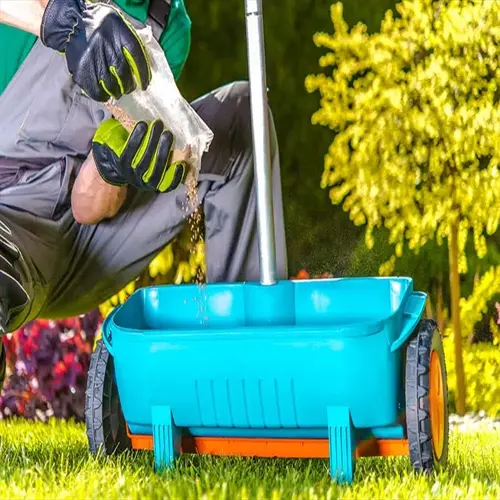
- Primary fertilizer: Apply ammonium sulfate or a balanced 10-10-10 acid formula in early spring as buds swell.
- Split applications: Divide annual feeding into 2 doses, with the second 6 weeks after the first to avoid burn.
- Rate guideline: Use 1 oz (28 g) per year of plant age, up to a maximum of 8 oz (227 g) on mature bushes.
- Skip first year: Wait 4 to 6 weeks after planting before any fertilizer to avoid root burn on transplants.
- Watch for chlorosis: Yellow leaves with green veins signal iron deficiency; correct with chelated iron and lower pH.
Annual Mulch Refresh
- Mulch depth: Maintain 3 to 5 inches (7.6 to 12.7 cm) of organic mulch over a 3 to 5 foot (0.9 to 1.5 m) radius around each plant.
- Material choices: Use pine bark, pine needles, aged sawdust, or composted oak leaves to support acidity.
- Refresh timing: Add 1 to 2 inches (2.5 to 5 cm) of fresh mulch each spring as the existing layer breaks down.
- Avoid black walnut: Never use mulch from black walnut sources because juglone toxicity stunts blueberries.
- Weed control bonus: Thick mulch suppresses weeds that would otherwise compete for water and nutrients.
Seasonal Soil Monitoring
- Soil test schedule: Pull a fresh soil test every 2 to 3 years to monitor pH drift and nutrient levels.
- Spring check: Inspect leaf color in May and June for early signs of chlorosis or nutrient deficiency.
- Fall amendment: Apply additional elemental sulfur in fall if pH has crept above 5.5 over time.
- Organic matter: Top dress with compost in spring and fall to maintain soil organic matter above 3%.
- Drainage check: Probe soil moisture 6 inches (15 cm) deep weekly to fine-tune the irrigation schedule.
Stick to this rhythm and your bushes will hit full production by year 6. My own patch jumped from 3 pounds per bush to over 9 pounds the year I locked in a strict weekly drip schedule. The right care is more about steady habits than fancy tools.
Pruning for Maximum Yield
Pruning blueberry bushes is like editing a long manuscript. Cut out the old worn lines and the fresh words get room to shine on the page. Skip this job for a few years and the bush turns into a tangle of small tart fruit nobody wants to pick.
Blueberries fruit on 1-year-old wood that sits on 4 to 6 year old blueberry canes. WVU sets the target for a mature bush at about 12 upright canes by year 7. Each spring you cut out roughly 20% of the oldest canes at the base to renew the bush. When to prune blueberries matters too. Always work in late winter during dormant pruning before the buds swell.
Aim for 6 to 12 inches (15 to 30 cm) of new growth each year as proof your cuts are working. NCSU also flags a 50% flower bud thin when your bush over sets fruit. That trim shifts energy from many small berries to fewer fat sweet ones.
Renewal pruning is the single habit that lets a blueberry patch crank out fruit for 40 years or more. Skip it and your yields will fade after year 10. Stick with it and you will pick 10 pounds (4.5 kg) per bush well into your second decade.
Harvest Pests and Diseases
Knowing when to harvest blueberries is half the battle. UConn found that berries turn blue 3 to 4 days before they are fully ripe. Pick on color alone and you get tart fruit that never finishes its sugar bump on the bush. Wait for the ripening blueberries to soften and drop with a gentle thumb roll.
The other half is defense. Birds can strip a bush bare in one afternoon, so bird netting with 1 inch (2.5 cm) mesh is the cheapest crop insurance you can buy. Add mummy berry clean up and blueberry maggot traps to your plan. Your blueberry harvest then stays clean from bloom to basket.
Harvest at Peak Ripeness
- Color cue: Wait until berries are uniformly deep blue with a silvery bloom and a slight indented dimple at the blossom end.
- Timing rule: Pick 3 to 4 days after berries first turn blue, when they release with the lightest touch.
- Pick frequency: Harvest highbush every 5 to 7 days and rabbiteye every 10 days during the ripening window.
- Picking technique: Roll berries gently off the cluster with your thumb rather than pulling on the stems.
- Storage tip: Refrigerate unwashed berries in a single layer for the longest shelf life of 7 to 10 days.
Bird and Wildlife Defense
- Netting choice: Use 1/2 to 3/4 inch (1.3 to 1.9 cm) mesh bird netting draped over a simple PVC or wood frame.
- Install timing: Cover bushes as soon as the first berries begin to color blue to prevent total crop loss.
- Frame design: Keep netting 12 inches (30 cm) off the foliage so birds cannot peck through the mesh.
- Ground protection: Add hardware cloth around the base to deter voles, rabbits, and mice from chewing canes.
- Deer pressure: Install 8 foot (2.4 m) tall fencing in high-deer areas, as deer will browse foliage year round.
Mummy Berry Management
- Symptoms: Look for tan or pink shriveled berries that drop early and resemble dried raisins on the bush.
- Cause: Caused by the fungus Monilinia vaccinii-corymbosi, which overwinters in dropped fruit on the soil.
- Sanitation: Rake and discard all fallen fruit and apply 2 inches (5 cm) of fresh mulch every spring.
- Cultural control: Improve air circulation through pruning to dry foliage faster after rain and dew.
- Resistant cultivars: Choose Liberty, Bluetta, or Draper for natural resistance to mummy berry infection.
Blueberry Maggot Control
- Symptoms: Soft berries with small white larvae inside indicate blueberry maggot fly infestation.
- Monitoring: Hang yellow sticky traps baited with ammonium acetate in mid-June to detect adult flies.
- Cultural control: Pick up dropped fruit weekly to break the pupal cycle in soil under the bush.
- Timing: Apply approved organic spinosad sprays within 7 to 10 days of first fly detection on traps.
- Harvest interval: Pick every 5 to 7 days during peak season so maggots have less time to develop in berries.
Combine clean picking with smart bird and pest defense and you can pick 80% to 90% of every berry your bushes set. My first year without netting I lost almost the whole crop to robins in 2 days flat. The next year I built a simple PVC frame and saw a 10x jump in basket fills.
5 Common Myths
Blueberry bushes will grow well in any garden soil as long as they get enough sunlight and water each week.
Blueberries need acidic soil between pH 4.0 and 5.5; above pH 5.5 the plants struggle to absorb nutrients and may die.
A single blueberry bush will produce a full crop on its own without needing any other variety planted nearby for pollination.
Most blueberries yield 30 to 50 percent more fruit when at least two different varieties grow together for cross-pollination.
Coffee grounds dumped around blueberry bushes will quickly drop soil pH and dramatically boost berry production every year.
Used coffee grounds are nearly pH neutral and add only small amounts of organic matter, with negligible impact on soil acidity.
Blueberry bushes start producing a full harvest of berries in the first or second year right after planting them.
Plants need 8 to 10 years to reach mature size; meaningful harvests start in year 3 and peak around year 6.
Pruning blueberry bushes is unnecessary because removing canes will only reduce the total amount of fruit you harvest.
Annual dormant pruning of about 20 percent of the oldest canes maintains vigor and increases berry size and yield over time.
Conclusion
Your road to great blueberry bushes rests on 4 simple pillars. Pick the right cultivar for your zone. Prep your soil to a pH between 4.0 and 5.5. Plant with proper spacing and depth. Then run a steady weekly care routine for years to come.
USDA FAS data shows that good cultivars can keep cranking out fruit for 40 to 60 years with proper blueberry care. A small home garden patch of just 3 to 5 bushes can yield 30 to 50 pounds (13.6 to 22.7 kg) at full maturity. With grocery berry prices climbing each year, that home patch can save you hundreds in cash on top of all the fresh flavor.
I planted my first bushes in 2018 and learned that the rule to pinch off all flowers in years 1 and 2 feels brutal when you see those first blooms. Trust the process and your first real blueberry harvest in year 3 will be worth the wait. In my garden the Bluecrop dropped its first full pint into my basket on a hot July afternoon. The taste of a sun warm berry off your own bush beats anything from a store.
Start this season with a fresh soil test from your county extension office. From there, work the 4 pillars step by step. You will be growing blueberries worth bragging about by the time year 3 rolls around.
External Sources
Frequently Asked Questions
Where do blueberry bushes grow best?
Blueberry bushes grow best in full sun with acidic, well-drained, organic-rich soil at pH 4.0 to 5.5.
What cannot be planted next to blueberries?
Avoid planting these next to blueberries:
- Tomatoes and other nightshades
- Brassicas like cabbage and broccoli
- Alkaline-loving herbs such as lavender
- Black walnut trees due to juglone toxicity
Are blueberries good for diabetics type 2?
Blueberries can be a smart choice for people with type 2 diabetes when eaten in moderation as part of a balanced diet.
What month is best to plant blueberry bushes?
Late April or early May in cool climates, or late fall in mild winter regions, is the best time to plant blueberry bushes.
What is the lifespan of a blueberry bush?
Blueberry bushes typically remain productive for 40 to 60 years when properly cared for.
How long does it take for a flower to turn into a blueberry?
It generally takes 2 to 3 months from flower bloom to fully ripe blueberry fruit.
What do coffee grounds do for blueberry plants?
Used coffee grounds add small amounts of organic matter but have minimal effect on soil pH.
Can I plant blueberry bushes next to my house?
Yes, you can plant blueberry bushes near your house if the site has full sun, acidic soil, and good drainage.
What is good to put around blueberry bushes?
These materials work well around blueberry bushes:
- Pine bark or pine needle mulch
- Aged sawdust
- Composted oak leaves
- Wood chips from acid-loving trees
Why do some doctors say not to eat blueberries?
Some doctors caution certain patients about blueberries due to oxalates, blood thinner interactions, or fructose sensitivity.