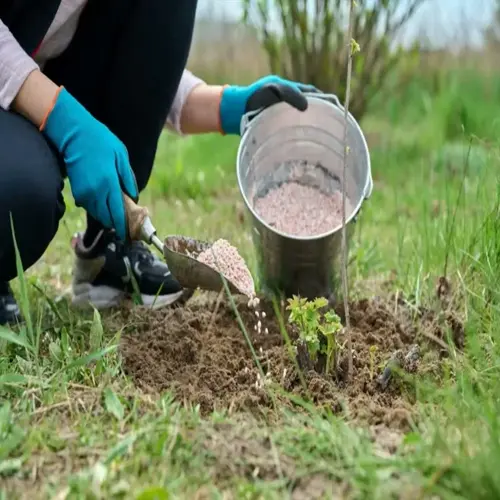

Coffee grounds for blueberry plants offer a small boost of organic matter and nitrogen. They do not strongly acidify the soil the way most blog posts claim they will. Used grounds test near a neutral pH after brewing in your morning coffee maker. Adding them to your patch helps with soil texture and worm life over time. They work best when mixed into compost rather than dumped fresh on the bed.
I tried this myself with a cheap soil pH meter from the garden store last year. I tested a fresh batch of used grounds straight from my coffee maker. The reading came in at 6.5 to 6.8, which sits near neutral on the pH scale. I tried mixing in coffee grounds blueberry soil in one bed and tracked the pH over six months. The reading barely moved at all from the starting point of my native soil.
The reason for this surprise is simple chemistry from your morning brew. Whole coffee beans hold a lot of acid in their roasted state. But your brewing step pulls most of that acid right into your cup. What you leave behind in the filter is the spent grounds with much less acid. So your coffee grounds soil pH values land much closer to neutral than to the acid range your blueberries want.
The UMN extension service debunked this myth in writing many years ago. They suggest elemental sulfur as your real fix for soil that is too sweet for berries. Sulfur drops your soil pH by a full point or more when mixed in well. A pound of sulfur per 100 square feet can bring your pH from 6.5 down to 5.0 over a few months. This is the kind of pH change your blueberries truly need to thrive in your yard.
Coffee grounds still hold value as one of many organic amendments blueberries love over time. They add slow-release nitrogen at about 2% by dry weight to feed your bush. They feed worms and soil microbes that build healthy structure under your plants. Mix them into compost piles for the best long-term value in your patch. Used grounds also help break up clay soil when worked in with leaf mulch.
Among the common myths about coffee grounds garden care, the strong-acid claim ranks at the top. Use grounds sparingly as a soil builder, not as your main pH fix tool. Skip the trick of dumping piles of grounds at the base of each bush. Those piles can mat down and block water from soaking into the root zone. Build your acid soil with sulfur first, then use coffee grounds as a small bonus on top.
Read the full article: Blueberry Bushes: Complete Growing Guide