
Where blueberry bushes grow best comes down to three key needs you must meet. They want full sun for 6 to 8 hours each day to ripen sweet fruit. They need acidic soil with a pH between 4.0 and 5.5 to feed well. They also need a spot with good drainage and air flow. Bushes set in shade or sweet soil just sit there year after year. They rarely give you a real harvest, no matter how much you water or feed them.
My friend planted six bushes in his clay yard last spring. By July the leaves turned yellow and the new growth stalled out. I helped him test the soil with a basic kit from the store. The pH read 6.8, which is far too sweet for blueberries. The ideal soil for blueberries is loose and sandy with lots of air pockets. Mix in peat moss or pine bark fines to drop the pH down. I built him a raised bed beside the failing patch last fall. Those new bushes now hold ripe fruit on every cane this year.
Blueberries hate sweet soil because they are calcifuges by nature. This means they cannot pull iron, nitrogen, or phosphorus from soil with a high pH. The blueberry growing zones run from Zone 3 in the north to Zone 10 in the south. Northern highbush types handle cold winters with ease and grow well in Maine. Rabbiteye and southern highbush types thrive in heat down in Texas. Pick a cultivar that fits your local zone for the best long-term results.
The top U.S. growing regions tell you a lot about where these plants shine. Washington and Oregon lead in fruit thanks to cool, wet springs and mild summers. They also have well-drained volcanic soils that match the pH needs perfectly. Georgia ranks third in the nation because rabbiteye plants love the heat and humid air. You can still grow great fruit outside these prime areas with the right cultivar pick.
Meeting the blueberry sun requirements matters just as much as soil prep work. Bushes in part shade give you small berries and weak harvests every year. Shaded plants also get hit harder by fungal problems like leaf spot. Pick the brightest spot in your yard for the best fruit yield. Morning sun with shelter from harsh afternoon wind works best for most plants. Avoid spots under big trees that hog the light and steal water.
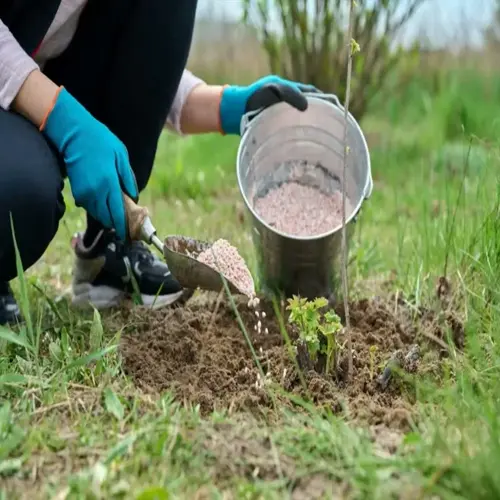
Always run a soil test before you plant a single bush in your yard. If your pH reads above 5.5, mix in elemental sulfur to bring it down. Do this 3 to 4 months ahead of planting so the sulfur has time to react. This single step gives you the best location for blueberries in your whole yard. It saves you from years of sad, yellow plants that drop their fruit early. Test the soil again the next spring to make sure the pH change took hold.
Read the full article: Blueberry Bushes: Complete Growing Guide