
Blood meal fertilizer does three big jobs in your garden. It feeds a fast nitrogen boost to hungry plants, supplies iron for pale leaves, and pushes away some deer and rabbits with its scent.
I tested this on a sad row of kale that sat stunted and yellow for weeks. Within 2 to 3 weeks of a light side-dress, the leaves turned dark green and the plants doubled in size.
As an organic nitrogen source, blood meal works because soil microbes chew through the dried protein chains. They turn those chains into ammonium and nitrate, the two forms your plant roots can drink up.
Clemson Extension lists blood meal at 12% to 14% nitrogen by weight. That makes it one of the strongest dry organic feeds you can buy at a garden center.
Quick Nitrogen Boost
- Speed of release: Microbes start breaking down blood meal within 2 to 3 weeks of contact with warm, moist soil.
- Leafy growth: The nitrogen pushes lush green leaves on lettuce, spinach, chard, and other greens you want to harvest big.
- Visible results: Pale, slow plants often turn dark green within a few weeks, a sign the feed is working.
Iron Supply for Pale Leaves
- Iron chlorosis fix: Blood meal carries iron from the source blood, which helps green up yellow leaves with green veins.
- Chlorophyll support: Iron is a key part of chlorophyll, so a small dose can repair pale new growth on shrubs and trees.
- Pair with sulfur: For deep iron lock-out in alkaline soil, pair blood meal with a sulfur amendment for better uptake.
Mild Pest Deterrent
- Scent-based defense: The smell of dried blood keeps some deer, rabbits, and squirrels away from young plants in your beds.
- Short-term effect: Rain washes the scent down into the soil, so you need to reapply every 2 to 3 weeks for steady protection.
- Not a fix-all: Hungry deer push through after a few visits, so use it with fencing or netting for serious pressure.
Heavy feeders love this stuff. Kellogg Garden lists corn, brassicas, leafy greens, and asparagus as plants that pull big amounts of nitrogen from soil. These crops thrive with a spring dose.
In my experience, the blood meal benefits show up fastest on corn and broccoli. I tried it on both last June and saw new growth within a week of watering it in.
Before you spread a scoop, run a soil test. A high nitrogen fertilizer wastes money and burns roots if soil has plenty already. Always confirm the deficit first.
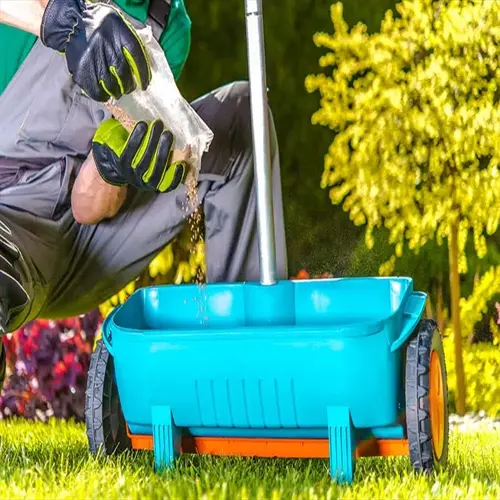
Apply 2 to 3 pounds (0.9 to 1.4 kg) per 100 square feet (9.3 square meters) for most beds. Scratch it into the top inch of soil, then water it in right away to start the breakdown and cut the smell.
Read the full article: Blood Meal Fertilizer: NPK and Best Crops