
The main disadvantages of bone meal are four big issues. There is pet poison risk and strict soil pH needs. There is harm to soil mycorrhizal fungi and the chance of BSE contamination too. Each one can cause real problems in your garden or home. Knowing the downsides helps you make smart choices.
Bone meal pet safety tops the list of worries for any gardener with dogs. The ASPCA poison control hotline ranked bone meal in the top ten pet poison calls one year. Dogs and pups love the smell since it reminds them of food. A dog that eats a cup of bone meal can form a hard mass in the gut that needs vet care. The vet bill alone can hit a thousand dollars fast.
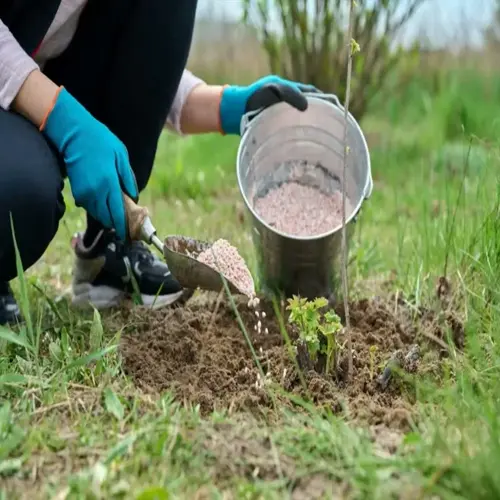
I learned about wildlife risk the hard way in 2019 when skunks dug up my freshly fed flower beds. I spread bone meal on top of the soil one fall night and went to bed. By morning the whole bed looked like a war zone with holes everywhere. The skunks smelled the bone meal from far off and tore up the bed for an easy meal. I now mix it three inches (7.62 cm) deep every time.
The hit to mycorrhizal fungi is another big downside of heavy bone meal use. These soil fungi form a tight bond with plant roots and help them pull water and food from the dirt. Excess phosphorus from bone meal shuts down this bond. Your plants then grow weaker over time and can show yellow leaves from iron and zinc lockout in the soil. The fungi take months to recover once you stop feeding.
Pet and Wildlife Magnet
- The risk: Bone meal smells like food to dogs and wild scavengers, drawing them to dig up beds and eat the toxic powder right out of the soil.
- The harm: Pet ingestion can cause gut blockage that needs vet surgery costing one to three thousand dollars to clear from the dog's stomach.
- The fix: Mix bone meal at least three inches (7.62 cm) deep into the soil and cover with two inches (5.08 cm) of mulch on top.
Strict Soil pH Needs
- The risk: Bone meal needs acid soil below pH 7.0 to break down, or the whole amount sits useless in your garden bed for years.
- The harm: You waste money on bone meal that does nothing for plants, plus you build up phosphorus that can run off into local water.
- The fix: Test soil pH each spring for ten dollars and switch to rock phosphate or fish bone meal if pH sits too high to work.
Runoff and Water Pollution
- The risk: Heavy rain right after bone meal hits the soil can wash phosphorus runoff into nearby streams, ponds, and home wells.
- The harm: Excess phosphorus in water causes algae blooms that kill fish and ruin swim spots for the whole summer season ahead.
- The fix: Apply bone meal only when no heavy rain is in the forecast for three to five days after spreading the powder.
Phosphorus runoff poses a real threat to local water sources when bone meal washes off your garden. The phosphorus enters streams and ponds and feeds algae blooms that block sunlight to fish. These dead zones can kill off whole fish stocks in a small pond by mid summer. Watch the weather and never apply bone meal right before heavy rain hits your area.
BSE concerns also linger in some gardener minds about beef bone meal. BSE is the short name for mad cow disease in the cattle world. Modern bone meal goes through strict USDA checks and high heat steam steps that kill any disease risk. Stick with OMRI-certified American-made bone meal for the safest source on the shelf. I have used the same brand from my local store for years with zero issues.
Cost is another small downside that adds up over many years of garden use. A four-pound (1.81 kg) bag runs ten to twenty dollars and feeds a small bed for one season. Cheaper options like compost or composted manure cost half as much and feed your plants in more well-rounded ways. Bone meal makes sense only when your soil test points to a clear phosphorus gap.
To get past most of these downsides, mix bone meal at least three inches (7.62 cm) deep into the soil and water in deep right after. Avoid heavy rain windows for three to five days post-feed. Run a yearly soil test before any feed goes down. Follow these three rules and bone meal works safe and well for the right plants in the right soil conditions.
Read the full article: Bone Meal Fertilizer Guide