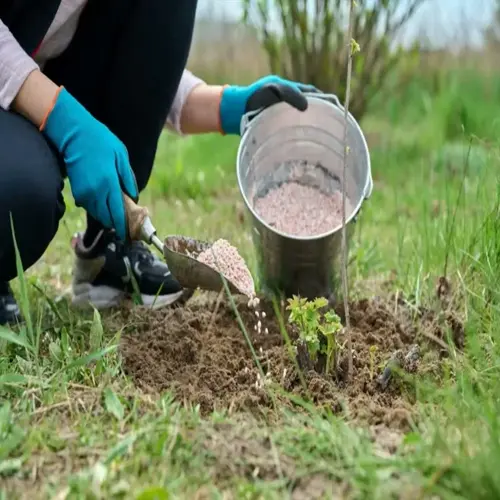

A bone meal fertilizer is a ground powder made from animal bones. It feeds your plants phosphorus and calcium over many months. The most common NPK ratio on the bag is 3-15-0. That ratio means three percent nitrogen, fifteen percent phosphate, and zero potash. The high middle number is why so many gardeners reach for bone meal each spring.
I have used bone meal in my own garden for fifteen years now. It works as a slow-release fertilizer that keeps feeding your plants for three to four months after one feeding. In year one I saw small gains in my tomato beds. By year two the roots were thick and strong, and the fruit set jumped much higher than before.
The making of bone meal starts with raw animal bones from beef plants. Workers steam the bones at high heat to kill germs and soften the structure. Then big mills grind the bones into a fine powder. The result is rich in a mineral called hydroxyapatite. This mineral holds both phosphorus and calcium in a form plants can use over time.
WSU Extension data shows NPK ratios range from 0-12-0 to 3-20-0 across the many bone meal brands on the market. Modern bone meal holds about twenty-eight percent total phosphate by weight. That makes it one of the strongest organic phosphorus sources you can buy at any garden store. Older brands may have lower numbers, so check the bag label before you pay.
The calcium amendment side of bone meal often gets less press but matters just as much for many crops. Bone meal holds about twenty percent calcium by weight in the powder. That calcium helps stop blossom end rot in tomatoes and peppers. I add a scoop to every transplant hole and have not lost a single tomato to end rot in over five years now.
Most bone meal you buy today is called steamed bone meal because of how it is made. The steam step kills any pathogens and makes the bones safe to handle without gloves. Raw bone meal still exists in some markets but smells worse and breaks down slower. Stick with steamed for home gardens since it works faster and stays cleaner in storage.
Pick OMRI-certified American-made bone meal when you shop at your local garden store. The OMRI seal means the product meets strict organic farm rules and contains no banned fillers. American-made bags trace back to USDA-inspected meat plants for the safest source you can buy. A four-pound (1.81 kg) bag runs ten to twenty dollars and lasts most home gardens one full year of feeding.
Store your bone meal in a sealed plastic tub with a tight lid to keep pests out. The bag the powder comes in tears too easy and lets in moisture from damp garages. I keep mine on a high shelf in a five-gallon (18.93 L) bucket with a clip-on lid. This setup blocks dogs and raccoons from getting in and keeps the powder dry for years on end.
Bone meal works best as one tool in a wider feeding plan, not as a single fix for poor soil. Pair it with compost, blood meal, or a balanced organic blend for full plant nutrition. The phosphorus from bone meal feeds your blooms and roots while the other amendments cover the nitrogen and potassium needs. This mix gives you strong, healthy plants all season long.
Read the full article: Bone Meal Fertilizer Guide