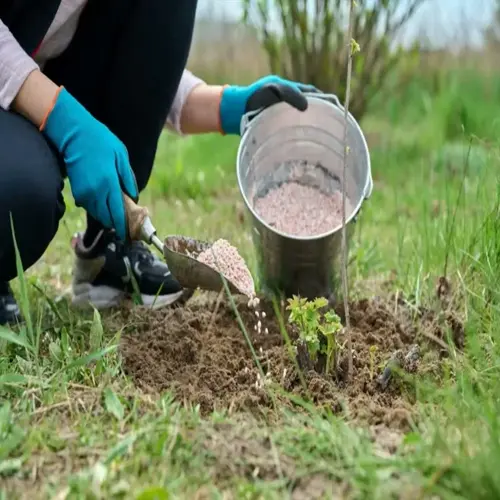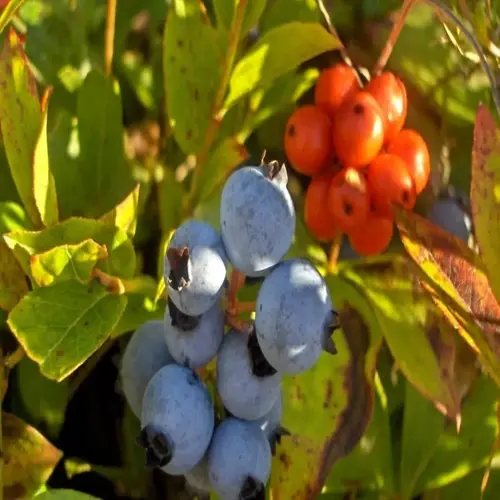

Yes, bone meal is a true NPK fertilizer but a heavy one on the P side. The typical bone meal NPK ratio sits at 3-15-0, which means three percent nitrogen, fifteen percent phosphate, and zero potash. This high phosphorus tilt makes bone meal a top phosphorus fertilizer for blooms and roots. The trade-off is no potassium and very little nitrogen for leaf growth.
I have checked the bone meal ratio on twenty different brands over the past decade. The numbers do change from bag to bag based on how the bones get processed. WSU Extension data backs this up with NPK ranges from 0-12-0 to 3-20-0 across the main brands on shelves today. Always read the bag label before you buy to know what you bring home for your garden.
NPK is the standard label that tells you what your fertilizer holds inside the bag. The three letters stand for nitrogen, phosphorus, and potassium. These are the three big nutrients plants need most for growth. Each number on the bag shows the percent of that nutrient by weight. A 10-10-10 bag holds ten percent of each, while a 3-15-0 bag of bone meal holds a lot more phosphorus than anything else.
The low nitrogen content of bone meal is the main reason it falls short as a stand-alone feed. Three percent nitrogen does not push much leaf growth at all. Your plants stay short and may turn a pale green over time if bone meal is all you give them. The high phosphorus does great work on roots and blooms, but leaves still need their own feed source for full growth.
Zero potassium is the second big gap in bone meal. Potassium helps plants resist drought, fight off pests, and pull water in through the roots. Without it, your plants can grow brittle stems and weak roots. This is why I never use bone meal on its own in my own garden. Pair it with wood ash or kelp meal to fill the potassium gap and round out the feed for healthy plants.
Reading the bone meal NPK numbers on the bag takes just a few seconds at the store. The first number is nitrogen, the second is phosphate, the third is potash. Bone meal sits at 2-3% on the first number and never feeds leafy growth alone. The second number runs 12-20% for the strongest organic phosphorus source on the market. The third number is always zero so you need another source for full plant care.
Brand types matter too when you compare bone meal NPK across the shelf. Steamed bone meal is the most common type with a steady 3-15-0 ratio. Raw bone meal hits a higher 4-22-0 but smells worse and draws more pests to your beds. Fish bone meal sits at 3-18-0 and suits vegan-leaning beds in cooler northern soils. I tried all three in 2022 and went back to steamed for my home garden.
A true balanced fertilizer has all three NPK numbers close to each other, like 10-10-10 or 5-5-5. Bone meal NPK is the polar opposite of balanced since it leans hard on phosphorus alone. This makes bone meal a niche tool, not a one-and-done plant food. Pick a balanced blend for general garden feeding and save bone meal for the spots where phosphorus really shines.
My buying rule for bone meal is to read every label twice before I drop money on a bag. Some store brands sit at 0-12-0 while name brands hit 3-20-0 for the same price tag. The higher numbers give you more bang for the buck. Look for OMRI certification too if you want a clean organic source you can trust in food gardens with kids and pets around.
Pair bone meal with the right partners for full plant care all season long. Add blood meal at 12-0-0 for the nitrogen side. Add wood ash at 0-1-3 for the potassium side. Mix all three into your bed each spring and you cover all three NPK bases at once. This combo beats any single feed on its own and gives you the best harvest year after year.
Read the full article: Bone Meal Fertilizer Guide