
The best bone meal substitute options for your garden are rock phosphate, fish bone meal, seabird guano, and cottonseed meal. Each one feeds plants with phosphorus but at a different speed and ratio. Pick the right swap based on how fast you need results and what other nutrients your plants need from the soil.
I switched some of my beds to rock phosphate in 2018 after a vet warning about my dog and bone meal. Rock phosphate comes from mined natural rock and breaks down slow over many years. The first season showed little change in my tomato bed. By year three the phosphorus was clear in the strong root growth and big fruit set. This option pays off for the long haul, not the quick win.
Fish bone meal is the closest match to regular bone meal in NPK ratio. It comes in at 3-18-0 versus the 3-15-0 of standard bone meal. The bones come from fish processing plants and offer the same phosphorus and calcium feed. Fish bone meal also breaks down a bit faster than beef bone meal, which can help in cooler northern soils where microbes work slow.
Seabird guano stands out for speed since it breaks down in just one to three months. The NPK ratio of 0-12-0 packs a strong phosphorus punch with no nitrogen or potassium. I use it as a mid-season boost when my tomato plants set their second fruit cluster. The fast release fits the timing of fruit growth and gives a clear jump in harvest size by the next pick.
For a vegan fertilizer plan, you have plenty of plant-based options to pick from. Rock phosphate and cottonseed meal both fit the vegan path since they come from non-animal sources. Cottonseed meal also adds nitrogen at six percent, which makes it more well-rounded than bone meal. I run a fully vegan bed each year and the plants thrive on cottonseed meal and rock phosphate alone.
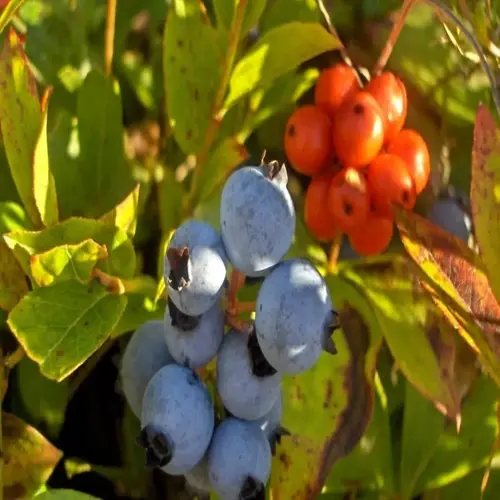
Cottonseed meal also wins for plants that love acid soil. Think blueberries, azaleas, and rhododendrons in your yard. The meal drops soil pH a bit as it breaks down, which these plants love. Use it at one pound (454 g) per 100 square feet (9.29 sq m) of bed each spring. I saw my own blueberry patch double its yield within two years of the switch from bone meal to cottonseed meal.
Composted manure also works as a low-cost option for most home gardens out there. The NPK ratio of about 1-1-1 covers all three main nutrients in small amounts. The trade-off is that you need more of it to match the phosphorus dose of bone meal. Plan on three to four inches (7.62 to 10.16 cm) of composted manure spread across the bed each spring for full coverage.
I have run my own side-by-side trial with all four of these subs across three garden seasons. You learn fast which one fits your soil and plant mix best. The fish bone meal worked closest to my old bone meal results on roses and tomatoes. The rock phosphate paid off slow but big in my long-standing perennial beds.
Match the bone meal substitute to your real need for the best results in your garden. Pick rock phosphate for long-term soil building over many years of use. Pick seabird guano for a quick mid-season boost when plants need it most. Pick fish bone meal for a near-direct swap that works the same way as bone meal. Pick cottonseed meal for your vegan or acid-loving plant beds at home.
Read the full article: Bone Meal Fertilizer Guide