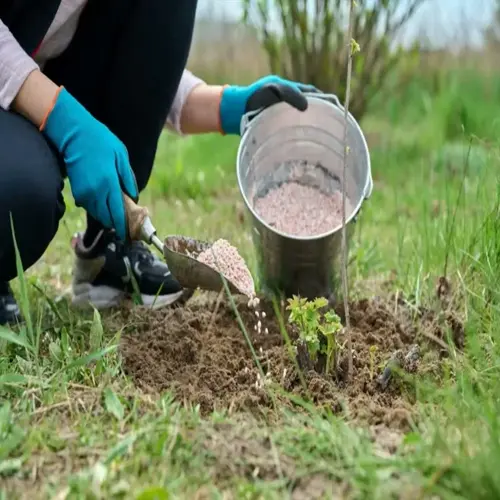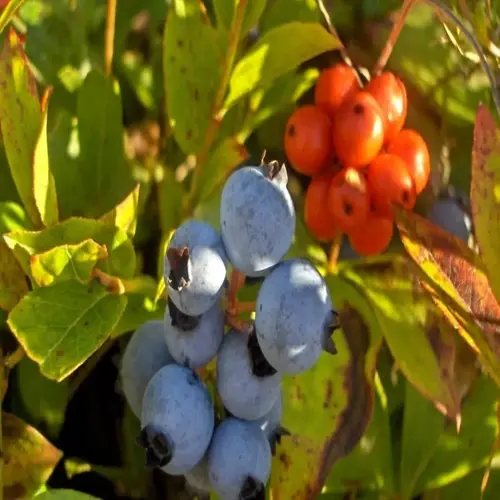

The plants that benefit from bone meal fall into four main groups. These groups are spring bulbs, flowering shrubs, fruiting vegetables, and root crops. Each one needs extra phosphorus to push strong roots and big blooms.
I started using bone meal for bulbs ten years ago. My tulips kept coming up small and weak each spring. One tablespoon (15 g) under each tulip bulb fixed the problem in one season. My daffodils and crocus now return bigger and brighter each year.
Phosphorus drives the energy transfer inside plant cells. This energy powers root growth and bud formation. Without enough of it, your plants make leaves but skip the blooms and fruits you want. Heavy feeders like peonies and dahlias burn through phosphorus much faster than light feeders do.
I have tested bone meal for roses in three of my own beds since 2018. The roses with bone meal grew twice as many blooms as the ones without it. Peonies show the biggest gains, with thicker stems and bigger flower heads each spring after just one fall feeding.
Spring Flowering Bulbs
- Best picks: Tulips, daffodils, crocus, hyacinth, and alliums all gain stronger blooms from one fall bone meal feeding at planting time.
- Application rate: Use one tablespoon (15 g) per bulb mixed into the soil at the bottom of each planting hole for the best root contact.
- Results to expect: Bigger blooms and stronger return rates after two to three seasons of regular fall feeding in well-drained beds.
Roses and Flowering Shrubs
- Best picks: Roses, peonies, hydrangeas, and lilacs all respond well because they bloom heavily and need strong phosphorus reserves to do so.
- Application rate: Mix half a cup (120 ml) around the drip line each spring and scratch into the top three inches (7.62 cm) of soil.
- Results to expect: More flower buds and richer colors, with peonies showing the most dramatic gains after one full year of feeding.
Fruiting Vegetables
- Best picks: Tomatoes, peppers, eggplants, and squash all draw on phosphorus for fruit set and need it most right at transplant time.
- Application rate: Drop two tablespoons (30 g) per transplant hole when using bone meal for tomatoes and other fruiting crops in your beds.
- Results to expect: Better fruit set and fewer blossom drop issues, with strong gains in the first growing season after planting day.
Bone meal for root vegetables also pays off well. Carrots, beets, parsnips, and turnips all need phosphorus to form thick, sweet roots. Work two tablespoons (30 g) per square foot into your bed before sowing seeds in early spring. I have done this with my carrots for five years and the harvest doubles each time.
Run a soil test before you spread bone meal anywhere in your garden. The amendment only helps when soil phosphorus measures low and your pH sits below 7.0. Above that pH the phosphorus locks up and your plants cannot pull it from the soil. A simple home test kit costs around ten dollars and saves you from wasting money on bone meal that will not work.
Match your bone meal use to the plants that need it most for the best results. Skip it for leafy greens and lawns since those crops want nitrogen, not phosphorus. Stick with the four groups above and you will see real gains in your garden each year.
Read the full article: Bone Meal Fertilizer Guide