
Introduction
Picture the red walls of Harvard, Yale, and Princeton in fall. Think of the brick at Wrigley Field or Fenway Park draped in fiery red leaves. That look comes from one plant called Boston ivy. It can dress up your home walls just like it has graced those famous spots for a hundred years.
I have grown this vine on three of my own homes. I still find new things to love about it each fall. The plant climbs to 30 to 60 feet (9 to 18 meters) at full size. It shrugs off winters down to 15 degrees Fahrenheit (minus 9 Celsius) with ease. It does well in USDA zones 4 through 8, which covers most of the country.
Here is a fun fact most guides skip. In my years of growing this plant, I learned it is not a true ivy at all. Plant nerds know it as Parthenocissus tricuspidata, a name that is a real mouthful. The plant is part of the grape family. That makes it a deciduous climbing vine and a cousin to wine grapes. It uses sticky pads to grip walls, which makes it a self clinging vine.
This guide walks you through 15 top cultivars and the best wall types for safe growth. You get a month by month care plan and the safe way to take it off your walls. You will also learn how to dodge bug problems and grow your own vines from cuttings. By the end you will know how to add scarlet fall color to your home with no stress.
15 Best Boston Ivy Cultivars
Not all Boston ivy plants look or grow the same way on your wall. In my garden I have tried over a dozen kinds across the past ten years. Some pop with gold and red tones while others stay deep green all summer. Picking the right one for your spot matters far more than most folks know.
Below are 15 of the best Boston ivy cultivars you can buy today. The list spans the well known Veitchii, the famous Fenway Park gold, the soft pink Ginza Lights, and the big leaved Green Showers. Each one fits a slightly different yard, soil, and light setup.
Veitchii Classic Boston Ivy
- Origin: Introduced by Veitch Nursery in the 1800s and now the most widely planted Boston ivy cultivar across Europe and North America for traditional walls.
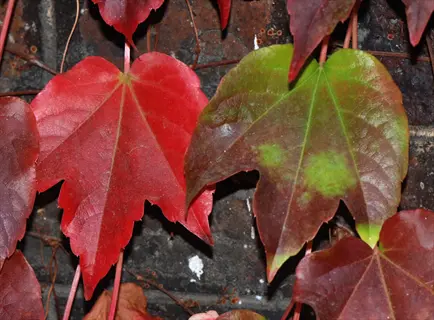
- Foliage: Three lobed leaves emerge purplish bronze in spring, mature to glossy deep green in summer, and turn brilliant scarlet to crimson in autumn.
- Size: Reaches 30 to 50 feet (9 to 15 meters) tall and 8 to 10 feet (2.4 to 3 meters) wide, climbing rapidly once roots establish well.
- Climate: Hardy in USDA zones 4 through 8, tolerating winter lows near 15 degrees Fahrenheit (minus 9 Celsius) without protection.
- Best use: Large brick or stone facades where uniform coverage and dependable fall color matter most for curb appeal year after year.
- Awards: Holds the Royal Horticultural Society Award of Garden Merit, signaling reliable garden performance in temperate climates worldwide.
Fenway Park Golden Boston Ivy
- Origin: Found as a chance sport growing on Fenway Park stadium in Boston, Massachusetts, by horticulturist Peter Del Tredici of the Arnold Arboretum.
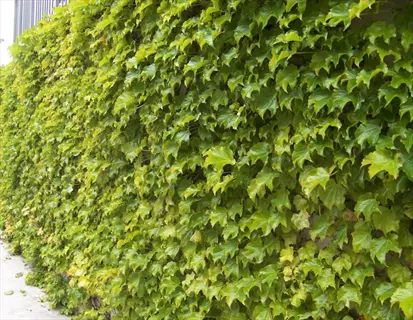
- Foliage: Emerges chartreuse to bright yellow gold in spring, softens to lime green in summer shade, then blazes pink red and orange in autumn.
- Size: Grows 30 to 50 feet (9 to 15 meters) tall and spreads 5 to 10 feet (1.5 to 3 meters) wide with vigorous climbing habits.
- Climate: Hardy across USDA zones 4 through 8 with strong tolerance for urban heat, pollution, and harsh wind exposure.
- Best use: Adds dramatic golden contrast against red brick, weathered stone, or dark painted trim where standard green vines feel too plain.
- Sun needs: Performs best in part sun where leaves keep their golden tone without scorching during peak summer afternoons.

Ginza Lights Variegated
- Origin: Selected in Japan for its eye catching variegated foliage that brightens shadier spots where solid green vines disappear into dim corners.
- Foliage: Pink, cream, and green mottled leaves emerge in spring, develop deeper green centers in summer, and shift to red and burgundy by fall.
- Size: Reaches 20 to 30 feet (6 to 9 meters) tall, smaller and slower than standard Boston ivy cultivars commonly available at garden centers.
- Climate: Hardy in USDA zones 4 through 8, though variegated foliage benefits from protection against scorching afternoon summer sun.
- Best use: Smaller walls, courtyard fences, or shaded pergolas where the variegation provides visual interest the whole growing season.
- Care note: Some shoots may revert to plain green and should be pruned out promptly to preserve the cultivar variegation pattern.
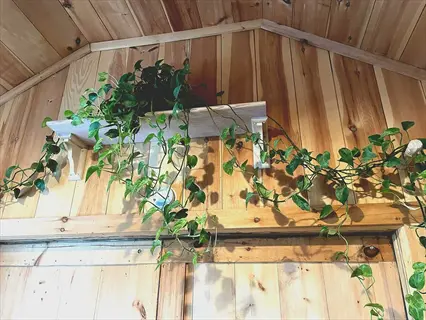
Green Showers Boston Ivy
- Origin: Selected for its especially large, lush, glossy green foliage that gives walls a more tropical and luxuriant appearance than typical Boston ivy.
- Foliage: Oversized leaves reach 8 to 10 inches (20 to 25 centimeters) across, deep green in summer, then golden orange to burgundy in autumn.
- Size: Grows 30 to 50 feet (9 to 15 meters) tall and 5 to 10 feet (1.5 to 3 meters) wide with rapid annual growth.
- Climate: Hardy in USDA zones 4 through 8, withstanding pollution, salt spray, and heavy clay soils common in older urban landscapes.
- Best use: Statement walls, tall facades, and large garden structures where larger leaves create bold dramatic vertical coverage.
- Performance: Holds leaves longer into autumn than most Boston ivy cultivars, extending the late season color display by two to three weeks.
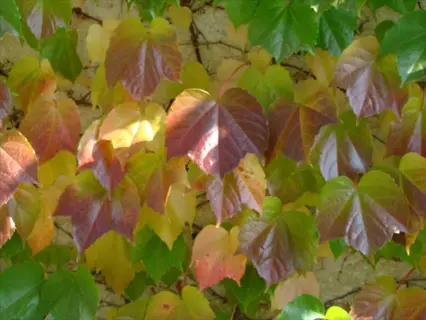
Atropurpurea Purple Boston Ivy
- Origin: A purple leaved selection prized for its moody, deep colored foliage that stands apart from the typical bright green standard cultivars.
- Foliage: Emerges plum purple in spring, deepens to bronze green in summer, then turns dark wine red and burgundy through autumn.
- Size: Reaches 30 to 50 feet (9 to 15 meters) tall and spreads 5 to 10 feet (1.5 to 3 meters) wide with vigorous climbing.
- Climate: Hardy in USDA zones 4 through 8 and tolerates urban pollution, drought, and exposed wind conditions exceptionally well.
- Best use: Pairs beautifully against light colored stone, white painted brick, or cream stucco where the dark foliage provides strong contrast.
- Sun needs: Full sun produces the deepest purple tones; in shade the leaves stay greener and lose much of their signature color.
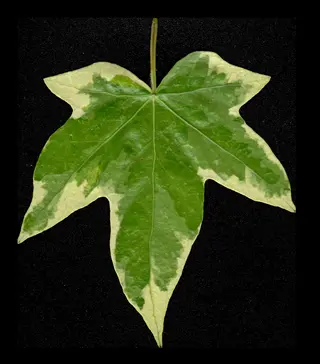
Aurata Golden Leaf Boston Ivy
- Origin: A heritage golden cultivar grown in European gardens since the late 1800s, especially valued in shaded corners and partial sun beds.
- Foliage: Emerges bright yellow gold in spring, softens to light green in summer heat, and finishes the season in warm orange and red tones.
- Size: Reaches 20 to 40 feet (6 to 12 meters) tall and 5 to 8 feet (1.5 to 2.4 meters) wide with moderately fast growth.
- Climate: Hardy in USDA zones 4 through 8, but the golden foliage may scorch in hot dry climates and prefers afternoon shade.
- Best use: Adds light and brightness to shaded north or east facing walls where other vines look too dark and somber all season.
- Care note: Plant in part shade to preserve golden coloring; full hot sun bleaches the leaves and stresses the vine in summer.
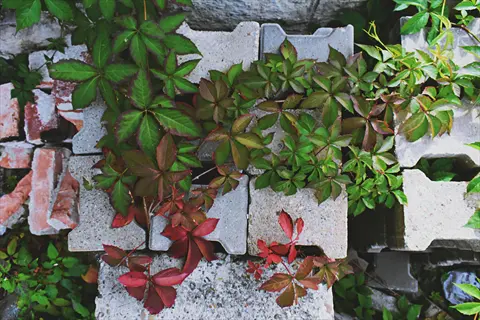
Lowii Miniature Boston Ivy
- Origin: A dwarf cultivar with delicate small leaves, ideal for gardeners who love Boston ivy but cannot accommodate the full sized vigorous form.
- Foliage: Tiny leaves only 1 to 2 inches (2.5 to 5 centimeters) across with crinkled edges, turning brilliant red in autumn just like the standard.
- Size: Reaches just 10 to 20 feet (3 to 6 meters) tall, making it suitable for smaller walls, columns, or container culture.
- Climate: Hardy in USDA zones 4 through 8, with the same general tolerances as full sized Boston ivy cultivars and varieties.
- Best use: Small garden walls, courtyards, pillars, mailbox posts, or container plantings where standard Boston ivy would quickly outgrow the space.
- Texture: Fine textured foliage gives a delicate lace like effect compared to the bold three lobed leaves of standard Boston ivy.

Annie Hall Boston Ivy
- Origin: A long established cultivar known for exceptionally vivid scarlet autumn color and reliable performance across cold winter regions of the Midwest.
- Foliage: Standard three lobed leaves emerge bronze tinted in spring, glossy deep green in summer, and turn vivid scarlet red in autumn.
- Size: Grows 30 to 50 feet (9 to 15 meters) tall and 5 to 10 feet (1.5 to 3 meters) wide with strong climbing habits.
- Climate: Hardy in USDA zones 4 through 8 and especially tolerant of cold zone 4 winters compared to some other cultivars.
- Best use: Large traditional brick or stone facades in northern gardens where reliable red fall color is the primary planting goal.
- Performance: Earlier and more uniform fall color than many cultivars, often peaking two weeks ahead of standard Veitchii in the same garden.
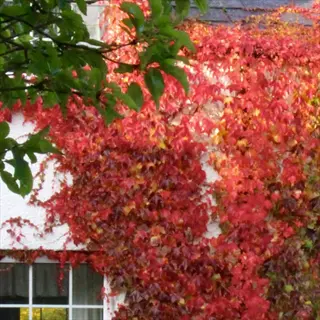
Beverly Brook Selection
- Origin: A regional selection valued for unusually large leaves and exceptionally vigorous growth, often used for quickly covering large blank walls.
- Foliage: Bold three lobed leaves reach 8 inches (20 centimeters) across, deep green in summer, then turn crimson and purple in autumn.
- Size: Reaches 40 to 60 feet (12 to 18 meters) tall and 8 to 12 feet (2.4 to 3.6 meters) wide with very rapid climbing growth.
- Climate: Hardy in USDA zones 4 through 8, tolerating wind, salt, drought, pollution, and heavy shade with equal ease.
- Best use: Tall commercial buildings, large estate walls, or expansive garden screens where fast and dense coverage is the priority.
- Maintenance: Vigor demands annual hard pruning to keep growth away from gutters, shingles, painted trim, and window frames every spring.
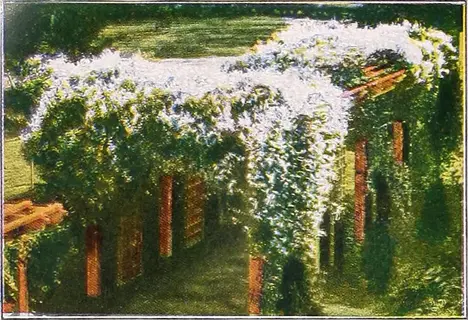
Green Spring Standard
- Origin: A common nursery selection prized for vigorous, uniform green growth and reliable scarlet fall color in average garden conditions.
- Foliage: Classic three lobed glossy green leaves all summer, transitioning through orange to deep red and burgundy by late autumn.
- Size: Grows 30 to 50 feet (9 to 15 meters) tall and 5 to 10 feet (1.5 to 3 meters) wide with consistent rapid growth.
- Climate: Hardy in USDA zones 4 through 8 and one of the most widely available cultivars at general garden centers nationwide.
- Best use: Affordable and reliable choice for homeowners new to growing Boston ivy on residential brick or stone walls.
- Availability: Easy to find at mainstream nurseries and big box garden centers, often labeled simply as Boston ivy without cultivar names.
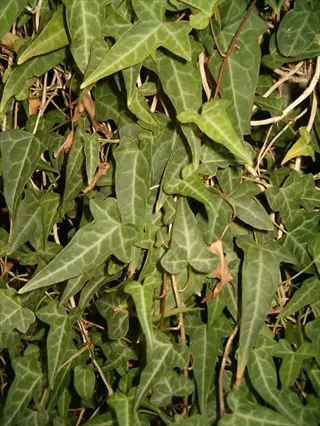
Robusta Vigorous Climber
- Origin: A heavy bodied selection favored where extremely fast wall coverage is needed within just a few growing seasons.
- Foliage: Robust three lobed leaves with leathery texture, deep green in summer, finishing in fiery orange and red autumn tones.
- Size: Reaches 50 to 60 feet (15 to 18 meters) tall and 10 to 12 feet (3 to 3.6 meters) wide with very strong vigor.
- Climate: Hardy in USDA zones 4 through 8, with exceptional tolerance for urban heat island stress and pollution exposure.
- Best use: Industrial buildings, tall apartment facades, and large privacy screens where ordinary Boston ivy grows too slowly.
- Caution: Needs careful annual pruning because its vigor can quickly overwhelm gutters, eaves, and adjacent shrubs left unattended.
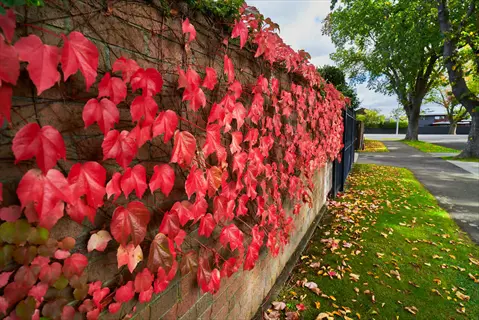
Purpurea Bronze Boston Ivy
- Origin: A bronze leaved selection similar to Atropurpurea but with slightly less intense purple tones and lighter green summer foliage.
- Foliage: Bronze tinted leaves in spring, dusky green to bronze green in summer, then deep wine red and burgundy in autumn.
- Size: Reaches 30 to 50 feet (9 to 15 meters) tall and 5 to 10 feet (1.5 to 3 meters) wide with steady vigorous growth.
- Climate: Hardy in USDA zones 4 through 8, with strong tolerance for clay soils, drought, and exposed windy sites.
- Best use: Walls where homeowners want subtle moody tones rather than the very dark almost black foliage of Atropurpurea.
- Sun needs: Full sun deepens the bronze; partial shade keeps the leaves greener but still produces excellent autumn coloring.
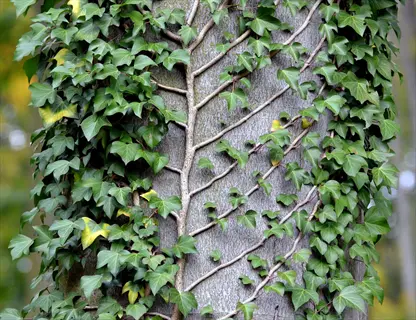
Minutifolia Tiny Leaf
- Origin: A small leaved selection often confused with Lowii but typically with even finer foliage and slower growth habit.
- Foliage: Very small leaves under 1 inch (2.5 centimeters) wide, dense lacy texture, turning bright red and orange in autumn.
- Size: Reaches only 8 to 15 feet (2.4 to 4.6 meters) tall, suitable for tight spaces and container culture in larger pots.
- Climate: Hardy in USDA zones 5 through 8, slightly less cold tolerant than full sized Boston ivy cultivars in zone 4 regions.
- Best use: Small garden walls, decorative trellis features, courtyards, and ornamental container plantings on patios or balconies.
- Texture: Provides a fine, almost moss like wall texture rather than the bold tropical look of standard Boston ivy varieties.
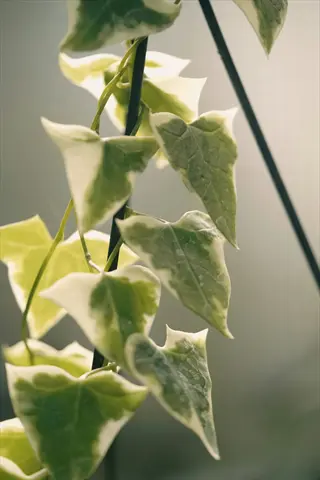
Star Showers Variegated
- Origin: A newer variegated cultivar selected for bold white and green splashed foliage that brightens shady garden corners.
- Foliage: Leaves splashed and streaked with creamy white over deep green centers, turning pink, rose, and red in autumn.
- Size: Reaches 20 to 30 feet (6 to 9 meters) tall, smaller than standard Boston ivy and easier to manage on home walls.
- Climate: Hardy in USDA zones 4 through 8 but variegated foliage benefits from afternoon shade in hot southern climates.
- Best use: Shaded courtyard walls or partial shade entrances where the white variegation reads as bright accent against masonry.
- Care note: Prune any all green reverted shoots quickly so the variegation pattern stays dominant across the entire vine.
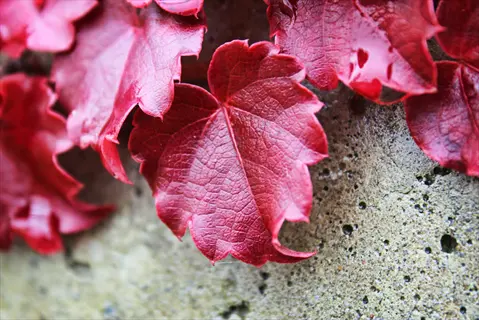
Crimson Glory Boston Ivy
- Origin: Selected for unusually long lasting and brilliant autumn red color, holding peak color longer than most other Boston ivy cultivars.
- Foliage: Classic three lobed green leaves in summer transition to deep crimson red in autumn, lasting four to six weeks at peak.
- Size: Grows 30 to 50 feet (9 to 15 meters) tall and 5 to 10 feet (1.5 to 3 meters) wide with vigorous reliable climbing.
- Climate: Hardy in USDA zones 4 through 8 with good performance in cold continental climates with sharp autumn temperature drops.
- Best use: Landscape designs where extended autumn drama is the goal, especially on south or west facing brick walls in full sun.
- Performance: Sharp cold nights intensify and prolong the crimson coloring, while mild fall weather produces less dramatic shades.
My pick for most home walls is still classic Veitchii, which holds the Award of Garden Merit from the Royal Horticultural Society. For cold zone 4 yards, Annie Hall gives the best red fall color. If your wall sits in shade, try Aurata or one of the variegated Boston ivy varieties for a pop of light. Match the plant to your wall and zone, and you will get years of solid growth.
Planting and Site Selection
Where you plant Boston ivy matters more than the plant itself. I learned this the hard way after my first vine struggled on a damp shady wall. Think of the roots like a runner who needs cool damp shade at the feet but full sun on the upper body. Pick the right spot and the plant gives you decades of strong growth.
USDA hardiness zones 4 to 8 are your sweet spot for planting Boston ivy. The plant likes well drained loamy soil, but it can put up with poor dirt too. Space each vine 6 to 12 feet (1.8 to 3.6 meters) apart for full wall coverage. Below you will find the key site needs for where to grow Boston ivy with success.
Sun and Shade Exposure
- Full sun preferred: Boston ivy produces the most vibrant scarlet fall color when planted where it receives at least 6 hours of direct sunlight daily.
- Shade tolerance: The vine grows surprisingly well in heavy shade, even on north facing walls, though fall color will be muted and more orange than red.
- Hot climate tip: In USDA zones 8 and warmer, afternoon shade protects leaves from scorching during peak summer heat above 95 degrees Fahrenheit (35 Celsius).
- Cold climate tip: In USDA zones 4 and 5, choose south or west facing walls so reflected warmth helps the vine establish quickly each spring.
- Variegated cultivars: Yellow, gold, and white variegated selections like Aurata and Ginza Lights perform better in partial shade than direct hot sun.
Soil Type and Drainage
- Soil flexibility: Boston ivy tolerates clay, loam, sand, acidic, alkaline, and neutral soils, making it one of the most adaptable climbing vines available.
- Drainage required: Despite its toughness, roots will rot in standing water, so amend heavy clay sites with compost to improve drainage before planting.
- Soil enrichment: Mix 2 to 3 inches (5 to 7.5 centimeters) of compost into the planting hole to give roots a strong establishment boost.
- Mulching benefit: Apply 2 to 3 inches (5 to 7.5 centimeters) of bark mulch around the base to retain moisture and keep roots cool.
- Avoid waterlogged spots: Skip areas where puddles linger more than 24 hours after rain, since chronic wet feet weaken even tough Boston ivy.
Wall and Surface Selection
- Safe surfaces: Solid brick, stone, and concrete masonry are ideal because Boston ivy adhesive pads grip the surface without penetrating intact mortar.
- Unsafe surfaces: Never plant against wood siding, painted clapboard, shingles, or stucco because pads ruin finishes and creep under loose edges.
- Old mortar warning: Walls with crumbling or deteriorating mortar should be repointed before planting; ivy roots can enter existing cracks and worsen damage.
- Gutter clearance: Plant where you can prune the vine away from gutters, downspouts, window frames, and roof shingles every year without trouble.
- Trellis option: For wood structures, install a freestanding metal or rigid trellis several inches off the wall so the vine never touches the siding.
Planting Distance and Timing
- Wall spacing: Plant the rootball about 12 inches (30 centimeters) away from the wall base so the trunk has airflow and room to thicken.
- Vine spacing: Space multiple plants 6 to 12 feet (1.8 to 3.6 meters) apart for full coverage within two to three growing seasons.
- Best season: Spring after the last frost or early fall about six weeks before the first hard frost are the ideal planting windows.
- Container planting: Dig the hole twice as wide as the rootball and just as deep, then backfill with native soil mixed with compost.
- Initial training: Lightly press flexible young stems toward the wall and lash them with soft twine until adhesive pads grip on their own.
Regional and Invasive Considerations
- Native range: Boston ivy is native to China and Japan and is classified as an exotic non-native species in the United States per the Invasive Plant Atlas.
- Local regulations: Boston ivy appears on regional invasive plant lists, including Arlington County, Virginia, so check your county extension office before planting.
- Wildlife trade off: While it provides berries for birds and stems for nesting, it can outcompete native vines in adjacent natural areas if it escapes cultivation.
- Containment tips: Keep plantings away from forest edges, ravines, and waterways where seeds dispersed by birds can establish unwanted volunteer populations.
- Native alternatives: Virginia creeper (Parthenocissus quinquefolia) is a closely related native option that offers similar fall color without the exotic invasive concerns.
One more thing to think about. Always check your distance from wall when you plant. I keep the rootball about a foot back from the bricks so the trunk gets air. Skip wood siding and crumbling mortar at all costs. A solid brick or stone wall is your best friend for a long lived vine.
Care and Maintenance Calendar
Boston ivy care is more like coaching a runner than babysitting a child. I check on my vines a few times each season and step back the rest of the year. Once the roots take hold, the plant shrugs off drought, smog, and poor soil with ease. Light timing matters far more than heavy work.
Below is a month by month plan for watering Boston ivy, mulching Boston ivy, and fertilizing Boston ivy. The big rule is to keep late winter pruning to no more than one third of the growth at one time. Pruning Boston ivy after spring bud break costs you fall color and stresses the plant. Stick to the calendar below and your wall will thrive.
If you follow that calendar, your Boston ivy care plan stays simple all year long. My best tip is to prune in late winter when the vine is bare and you can see the shape. Skip fall pruning since it cuts off bud wood for next spring. Stick to this rhythm and the plant gives back ten fold in fall color.
Wall Safety and Removal
The big fear about Boston ivy on walls is damage to your home. I get this question more than any other from new growers. Here is the truth. The adhesive holdfasts act like rubber suction cups, not chisels. They cling tight to brick and stone but do not chip into solid masonry. Painted walls warning still stands though, since the pads do ruin paint and creep under shingles.
I have removed mature vines from two of my own brick walls with zero damage to the brick. The key is to know which walls work and how to handle removing Boston ivy the safe way. Below are the steps that match what plant scientists at NCSU teach about damage to masonry.
How Adhesive Pads Actually Work
- Tendril structure: Boston ivy climbs using branched tendrils tipped with adhesive sucker-like discs that secrete a strong organic glue when contact occurs.
- No penetration: Pads adhere to surface texture and do not bore into intact mortar joints, brick faces, or solid stone surfaces.
- Strong grip: Adhesion is so strong that pads can support the full weight of a 60 foot (18 meter) tall vine without slipping.
- Compared to roots: Unlike English ivy aerial roots, Boston ivy pads do not seek cracks or dig into soft surface materials.
- Lasting marks: Once removed, dried pads leave small dotted shadows that fade over months but can be scrubbed clean with mild soap.
Safe and Unsafe Surfaces
- Safe surfaces: Solid brick, natural stone, poured concrete, cement block, and intact masonry walls handle Boston ivy adhesive pads without damage.
- Unsafe surfaces: Wood siding, painted clapboard, cedar shingles, stucco, EIFS, and aluminum siding suffer damage from pad grip and creeping shoots.
- Old mortar caution: Walls with crumbling mortar should be repointed first; vines can extend tendrils into existing gaps and accelerate deterioration.
- Gutters and trim: Adhesive pads stick to metal gutters, downspouts, and painted trim; prune the vine well clear of these features each year.
- Window frames: Keep vines pruned at least 12 inches (30 centimeters) away from window frames to prevent pads from gripping painted casings.
Safe Removal Method Step by Step
- Sever at the base: Cut the main vine trunk at ground level using sharp loppers or a pruning saw during late winter before growth resumes.
- Treat the stump: Paint fresh cut surface with concentrated herbicide if you want to block regrowth from the established root system.
- Wait for die back: Leave dead vines untouched for 6 to 12 months so adhesive pads dry, shrink, and lose their grip on their own.
- Brush off pads: After full die back, gently brush remaining stems and pad shadows with a stiff plastic or natural bristle brush.
- Avoid ripping: Never yank live vines off walls; force removal can pull mortar chunks loose and damage soft brick faces in older buildings.
Common Wall Damage Mistakes
- Pulling live vines: Ripping live Boston ivy off masonry can dislodge weak mortar and break off brick surface flakes in cold climates.
- Power washing pads: High pressure water at over 1500 psi may erode mortar and embedded pads, doing more damage than the vines themselves.
- Chemical strippers: Strong paint or graffiti removers can stain brick for good; mild soap and water tend to be enough for pad shadows.
- Wire brushing: Steel wire brushes scratch soft brick surfaces and remove the protective fired skin, accelerating long term weathering damage.
- Ignoring gutters: Letting Boston ivy grow into gutters and downspouts causes clogs, leaks, and ice dams in winter freeze and thaw cycles.
The bottom line is short and clear. Boston ivy on walls is safe when the wall is solid brick or stone. Wood, paint, and old crumbling mortar are off limits. If you ever need to take the vine off, cut at the base in late winter and wait 6 to 12 months for the pads to dry up. That patient method beats yanking live vines every time.
Pests Diseases and Problems
Diagnosing Boston ivy pests and Boston ivy diseases feels like reading a crime scene. Chewed leaves, white powder, and sticky goo each point to a different culprit. I have seen all of these on my own vines over the years. The good news is most issues clear up fast once you know what to look for.
The big bugs you will see are Japanese beetles and powdery mildew. You may also spot leaf spots, black vine weevils, leafhoppers, and scale insects. Each one shows a clear sign on your leaves or stems. Catch them early and you can keep your vine in top shape. Below is your field guide to the top six pests that bug Boston ivy.
Japanese Beetles
- Identification: Metallic green and copper colored beetles about half an inch (1.3 centimeters) long that swarm in midsummer and skeletonize leaves.
- Damage signs: Lacy, skeletonized leaves with only veins remaining, often in upper sunlit portions of the vine where beetles congregate together.
- Peak activity: Late June through August in most United States regions; populations peak about 6 weeks after they first emerge from soil.
- Control options: Hand pick beetles into soapy water in early morning when they are sluggish, or use neem oil spray weekly during outbreaks.
- Long term strategy: Apply beneficial nematodes to lawn areas in late summer to reduce next year's grub population emerging from soil.
- Avoid traps: Pheromone traps draw in more beetles to your yard than they capture, making infestations worse over time.
Powdery Mildew
- Identification: Distinctive white powdery coating on leaf surfaces, usually appearing first in late summer when nights are cool and days warm.
- Damage signs: Leaves become distorted, curl at edges, drop early, and lose fall color intensity when the fungus takes hold.
- Favorable conditions: Crowded plantings, poor air circulation, and dry days following humid nights create ideal infection conditions for spores.
- Prevention: Space vines 6 to 12 feet (1.8 to 3.6 meters) apart and prune for airflow; avoid wetting leaves during evening watering.
- Organic treatment: Spray weekly with 1 tablespoon (15 milliliters) baking soda plus 1 teaspoon dish soap in 1 gallon (3.8 liters) water.
- Severe cases: Apply a sulfur or potassium bicarbonate fungicide labeled for ornamental vines following product directions during early outbreak stages.
Leaf Spots and Anthracnose
- Identification: Small brown, black, or tan circular spots on leaves, sometimes with yellow halos, caused by various fungal pathogens.
- Damage signs: Leaves may yellow and drop early, but vigorous Boston ivy rarely suffers serious long term damage from leaf spot diseases.
- Favorable conditions: Wet springs with prolonged leaf wetness from rain or morning dew encourage fungal spore germination and rapid spread.
- Cultural control: Rake and dispose of fallen leaves in autumn; do not compost diseased foliage because spores survive winter to reinfect plants.
- Pruning help: Thin overcrowded vines in late winter to improve air circulation and reduce humid pockets that favor spore germination.
- Fungicide use: Copper based or chlorothalonil sprays applied at bud break can help in chronic problem areas but are rarely needed.
Black Vine Weevils
- Identification: Dark gray to black flightless beetles about a third inch (8 millimeters) long that feed on leaves at night and hide by day.
- Damage signs: Distinctive notched, crescent shaped chunks chewed from leaf margins; serious infestations can defoliate young vine growth quickly.
- Larval damage: Cream colored C shaped grubs feed on roots underground, sometimes weakening or killing young vines before above ground signs appear.
- Detection method: Inspect with a flashlight after dark, or place a white sheet under the vine and shake to dislodge feeding adults.
- Biological control: Apply beneficial nematodes (Heterorhabditis bacteriophora) to soil in late summer to control grubs in the root zone.
- Adult control: Sticky tree wrap traps placed around the base of the vine catch flightless adults as they climb up to feed at night.
Scale Insects and Leafhoppers
- Scale identification: Small immobile bumps, often brown or gray, attached to stems and leaf undersides where they suck plant sap continuously.
- Leafhopper identification: Tiny wedge shaped jumping insects that pierce leaves and cause stippled, yellowing, or distorted foliage during summer feeding.
- Damage signs: Sticky honeydew on leaves and surfaces below, often followed by black sooty mold that further reduces photosynthesis and vigor.
- Horticultural oil: Spray dormant horticultural oil in late winter to smother overwintering scale insects on stems before spring growth resumes.
- Insecticidal soap: Spray young, soft scale crawlers and leafhoppers with insecticidal soap or neem oil during active growing season weekly as needed.
- Beneficial insects: Encourage lady beetles, lacewings, and parasitic wasps with many kinds of flowering plants to provide ongoing natural pest control.
My best advice is to check your vine once a week from spring through fall. Spot a chewed leaf, a white spot, or some sticky goo, and act on the same day. Small problems stay small with quick care. A vigorous Boston ivy that gets sun, air, and decent soil shrugs off most bugs on its own.
Propagation and Containers
Propagating Boston ivy is a bit like baking sourdough bread. You need patience, the right setup, and a few failed tries before you get strong results. I have grown new vines from cuttings for nearly a decade now. Some attempts flopped, but the wins more than made up for the misses.
You have five strong paths to make more plants. Take Boston ivy from cuttings in summer or winter. Try self layering an existing vine if you want the easy route. Sprout Boston ivy from seed for a slower long game. Or grow container Boston ivy in a pot at least 20 inches (50 centimeters) wide. Rooting hormone helps but is not a must.
Softwood Cuttings in Summer
- Timing: Take 6 inch (15 centimeter) softwood cuttings from new growth in late spring to early summer when stems are flexible but firm.
- Preparation: Strip lower leaves, leaving 2 to 3 leaves at the top, and dip the cut end into rooting hormone powder or gel.
- Medium: Insert cuttings 2 inches (5 centimeters) deep into a moist 50/50 mix of perlite and peat moss in 4 inch (10 cm) pots.
- Environment: Cover with a clear plastic dome or bag and place in bright indirect light at 70 degrees Fahrenheit (21 Celsius).
- Rooting time: Roots typically form within 4 to 6 weeks; tug gently to check, then transplant rooted cuttings into individual pots.
- Hardening off: Expose new plants to outdoor conditions in stages over 7 to 10 days before final planting in the garden.
Hardwood Cuttings in Winter
- Timing: Take 8 to 12 inch (20 to 30 centimeter) hardwood cuttings during late winter dormancy from previous season pencil thick wood.
- Storage option: Bundle cuttings, wrap in moist sand, and store in a cool dark place above freezing until spring planting time.
- Direct planting: Insert cuttings two thirds deep into prepared garden soil in early spring; firm soil around the stem to eliminate air pockets.
- Success rate: Hardwood cuttings root more slowly than softwood, typically taking 8 to 12 weeks to form roots and new growth.
- Care: Keep soil consistently moist but never waterlogged during the rooting period; protect from drying wind with a temporary windbreak.
- Reliable method: This traditional approach works well for gardeners without greenhouse equipment and produces strong, hardy young vines.
Self Layering Existing Vines
- Easiest method: Find a low growing flexible shoot, gently bend it down to the soil, and pin it with a U-shaped wire stake.
- Soil contact: Bury about 4 inches (10 centimeters) of the stem under loose soil while leaving the tip exposed to keep growing.
- Wounding tip: Lightly scrape the underside of the buried section to encourage faster root development at the contact point with soil.
- Rooting time: Roots form along the buried stem within 2 to 4 months during the active growing season under consistent moisture.
- Separation: Once well rooted, sever the connection to the parent plant and transplant the new vine to its permanent location.
- Beginner friendly: This is the most reliable propagation method for new gardeners because the cutting stays connected to the mother plant during rooting.
Growing Boston Ivy in Containers
- Container size: Choose a pot at least 20 inches (50 centimeters) wide and 18 inches (45 centimeters) deep with multiple drainage holes.
- Potting mix: Use high quality bagged potting soil amended with 25% compost; avoid heavy garden soil that compacts and waterlogs.
- Watering: Container vines need more frequent watering than in ground plantings, often 2 to 3 times weekly in summer heat.
- Fertilizing: Apply a balanced slow release fertilizer in spring and again in midsummer to replace nutrients leached through the drainage holes.
- Winter protection: In USDA zones 4 through 6, wrap pots with burlap or move them to a sheltered spot to protect roots from deep freezes.
- Trellis support: Provide a sturdy freestanding trellis or obelisk anchored to the pot since the vine cannot grip painted or wooden walls safely.
Growing From Seed
- Seed source: Collect ripe dark blue black berries in late autumn, then clean pulp from seeds by soaking and rubbing through a sieve.
- Cold stratification: Mix cleaned seeds with moist sand and refrigerate at 35 to 40 degrees Fahrenheit (2 to 4 Celsius) for 8 to 12 weeks.
- Sowing: Plant stratified seeds a quarter inch (6 millimeters) deep in seed starting mix in early spring under grow lights or a sunny window.
- Germination time: Expect sporadic germination over 4 to 8 weeks; not all seeds will sprout, so sow extras for backup seedlings.
- Transplanting: Move seedlings to individual 4 inch (10 centimeter) pots once they develop 2 sets of true leaves and harden off in stages.
- Patience required: Seed grown Boston ivy may take 3 to 5 years to begin strong climbing compared to faster maturing rooted cuttings.
If you have never grown vines before, start with self layering for the best odds. The shoot stays joined to the mother plant while it builds roots. My first dozen new plants came from this one trick alone. Once you have the hang of it, branch out to summer cuttings for faster multiplying success.
5 Common Myths
Boston ivy destroys brick walls by eating away mortar and pulling stones loose from masonry over time.
Authoritative sources confirm Boston ivy does not damage sound brick or stone; adhesive pads grip the surface without penetrating intact mortar.
Boston ivy is the same plant as English ivy and behaves the same way in the garden setting.
Boston ivy is Parthenocissus tricuspidata in the grape family, while English ivy is Hedera helix, an unrelated evergreen with very different growth habits.
Boston ivy must be planted only in full sun or it will fail to produce any colorful fall foliage.
Boston ivy tolerates heavy shade and still grows vigorously, though fall color is most vivid scarlet when vines receive full sun exposure.
Once Boston ivy attaches to a wall, you cannot remove it without ripping off mortar and damaging the brick.
Severing the vine at the root causes adhesive pads to dry, deteriorate, and brush off cleanly without harming the underlying masonry surface.
Boston ivy is a native American plant that grew naturally on Ivy League buildings since the founding era.
Boston ivy is native to China and Japan and was introduced to North America in the 1800s, where it later spread across university campuses.
Conclusion
This Boston ivy guide gives you the four big rules to keep in mind. Pick a solid brick or stone wall, not wood or paint. Match the cultivar to your zone and light. Plant the rootball about 12 inches (30 centimeters) from the wall base. Then prune in late winter and trim no more than one third of the growth at one time.
When you nail those steps, Boston ivy pays you back for decades. The plant gives you scarlet fall color that turns heads each October. It keeps walls cool in summer and offers shelter for birds. As one of the best masonry safe vines on the market, it ranks high among low maintenance vines for any home with the right wall.
Which cultivar fits your yard best? Pick golden Fenway Park if you want bold contrast against red brick. Choose classic Veitchii for the most proven climbing vine care record. Or try Ginza Lights for soft pink tones in a shady courtyard. The right match makes all the difference in long term joy with this plant.
In my experience growing this vine on three homes, the same questions come up over and over from new growers. Things like how to remove it from walls, growing in containers, surviving cold winters, and whether the berries are toxic to pets. Take a few minutes to read through the FAQ and you will plant your first Boston ivy with full confidence.
External Sources
Frequently Asked Questions
Which is better, Boston Ivy or English Ivy?
Boston ivy is generally the better choice for most homes because it climbs safely on brick or stone without damaging mortar, drops its leaves cleanly in fall, and offers brilliant scarlet color, while English ivy is evergreen but more invasive and harder to remove.
What are the disadvantages of Boston Ivy?
Main disadvantages include:
- Damages wood, paint, and shingle surfaces with sticky holdfast pads
- Listed as invasive in parts of the United States
- Aggressive growth requires regular pruning to stay tidy
- Drops large amounts of leaves in autumn
- Difficult to remove holdfasts once attached
Can Boston Ivy survive winter?
Yes, Boston ivy survives winter down to about 15 degrees Fahrenheit (minus 9 Celsius) and is reliably hardy across USDA zones 4 through 8, going dormant after dropping its leaves.
How aggressive is Boston Ivy?
Boston ivy is very aggressive, growing 6 to 10 feet (1.8 to 3 meters) per year once established and quickly covering walls, fences, or anything it can climb.
Is Boston ivy a fast grower?
Yes, Boston ivy is classified as a rapid grower, often adding 3 to 10 feet (0.9 to 3 meters) per year once roots establish in well-drained soil.
What plant removes 78% of airborne mold?
Studies suggest English ivy can remove around 78 percent of airborne mold within 12 hours, though Boston ivy is not the same species and is grown mainly outdoors for fall color rather than indoor air cleaning.
How toxic is Boston ivy?
Boston ivy has mildly toxic sap and berries that can cause skin irritation or stomach upset if eaten, so keep berries away from pets and small children.
Where is the best place to plant Boston ivy?
Plant Boston ivy in these conditions:
- Against a sturdy brick, stone, or masonry wall
- In full sun for the best scarlet fall color
- About 12 inches (30 centimeters) from the wall base
- In well-drained loamy soil with average fertility
- Away from wood siding, shingles, or painted surfaces
Does Boston ivy damage walls?
Boston ivy does not damage solid, intact brick or stone walls, but it can pull mortar from already deteriorating surfaces and ruins wood, paint, and shingle finishes.
Will Boston ivy grow in pots?
Yes, Boston ivy will grow in large containers of at least 20 inches (50 centimeters) wide with drainage holes, though it grows more slowly and needs winter root protection in colder zones.