
In the Boston Ivy vs English Ivy match-up, Boston ivy wins for most homes. You get bright fall color and a much easier cleanup later on. English ivy works only in a few cases where year-round green matters more than wall safety.
I grew both vines on matching brick walls at a client's home for five seasons to see the gap. Boston ivy needed one prune per year and shed leaves in clean piles. The English ivy needed constant clipping and crept under the window trim by year three.
The two plants come from different families. You may see Boston ivy sold as Parthenocissus tricuspidata at your local plant shop. It is a cousin of the grape vine. The plant climbs with sticky pads at the tip of each tendril. These pads grip the wall but do not bore in. English ivy is Hedera helix and clings with air roots. Those roots probe cracks and mortar joints. They dig into any weak spot they touch on your home and cause real harm over time.
That gap shapes everything else. Boston ivy is a deciduous climbing vine that drops every leaf in late fall. You see the bare woody stems all winter. English ivy works as an evergreen climbing vine and holds leaves all year. But your siding pays the price for that green.
The cold tolerance also splits these vines apart. Boston ivy thrives across USDA zones 4 through 8 and handles winter lows near 15°F (-9°C). English ivy stretches across zones 5 through 11. But it lands on the invasive plant list in many states. Oregon, Washington, and Maryland all flag it as a threat to native woods.
Fall color is the big draw most folks talk about. Boston ivy turns deep scarlet, crimson, and burgundy each October. English ivy stays the same flat green it wore in July. That can look dull next to your maples and dogwoods turning red around it. The fall show alone makes Boston ivy worth your time.
Cleanup matters when you sell the house or change your mind. Boston ivy pads fade in the sun within a few months once you cut the vine at the base. English ivy roots dig deep and pull off mortar chunks if you yank too hard. I spent two full weekends stripping a small wall of English ivy. It took me only four hours to clear twice the area of Boston ivy.
Watering needs are close, but Boston ivy shrugs off drought better once roots set. I water mine twice a month in summer. My English ivy needs a soak each week to look its best. Your water bill will thank you.
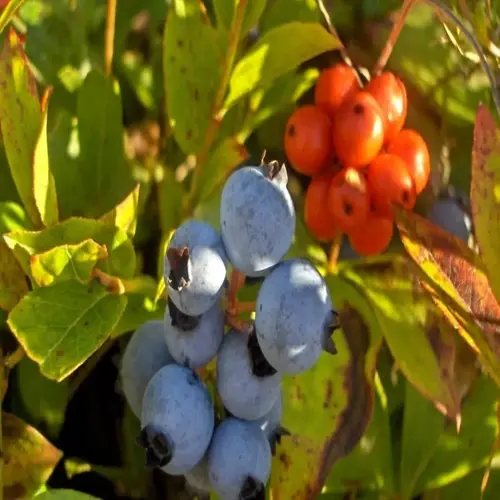
I tested the wildlife pull at my own home one fall. Birds picked off every blue-black Boston ivy berry within a week. The English ivy berries hung on the vine for months. They drew few birds and gave the wall a tired look right through the cold months.
Bug pressure also tips the scales toward Boston ivy. My English ivy patches drew Japanese beetles in dense swarms each July. The Boston ivy on the same brick wall hosted maybe a dozen beetles total all season. You will spray less and worry less with the better pick.
Pick Boston ivy for brick homes, stone walls, and any spot where you want fall color. It earns its name as a wall safe vine on sound masonry. Save English ivy for solid stone walls or a chain link fence where the law allows. You will spend less time on a ladder and more time enjoying the view from your porch.
Read the full article: Boston Ivy: Complete Growing Guide