
The big disadvantages of Boston Ivy boil down to three core issues you should know. The vine ruins paint and wood finishes. It spreads as an invasive plant in some states. The growth gets out of hand fast. Most Boston ivy problems trace back to one of these three roots. You need to weigh each before you plant a single shoot.
I planted a vine too close to my garage trim ten years back. The pads crept onto painted wood within a single summer. I spent six hours with a scraper and a stiff wire brush pulling off each holdfast. The paint came off in strips and I had to prime and repaint the whole panel. Lesson learned.
The root cause is how those sticky pads bond at the surface level. The adhesive grips paint and wood and stucco at a tight chemical level. You cannot wipe these pads off the way you wipe off mud. They have to be scraped, sanded, or weathered for months. The Boston ivy wall damage to soft finishes is real and lasting.
Bricks and stone shrug off the pads with no harm. But wood siding, painted trim, vinyl, and shingles all suffer. The pads also creep under loose flashing and into gutter seams. I had a friend lose two gutter sections to vine roots and trapped leaf debris that rotted out the metal from the inside.
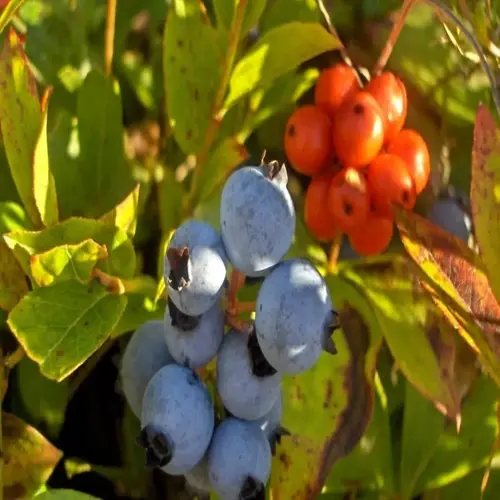
The invasive issue catches many gardeners by surprise. The Invasive Plant Atlas flags the vine as invasive Boston ivy in parts of Virginia. Other regional spots across the country use the same flag. The plant spreads through birds that eat the blue-black berries. They drop seeds far from the parent vine. I once spotted three young Boston ivy plants in a wild woods plot a mile from my home. You may plant one and find seedlings in your neighbor's yard within three years.
Check with your county extension office before you plant. Local lists differ from state lists. Some places allow Boston ivy but warn against planting near woods or wild areas. A quick call can save you a fine or a forced removal later.
Growth rate is the next big snag. Boston ivy ranks as an aggressive climbing vine that adds 6 to 10 feet (1.8 to 3 meters) of new growth each year once roots take hold. The plant covers a two-story brick wall in three to four years with no help from you. That speed is great until it climbs into your roof shingles or buries your windows.
You need to prune the vine each late winter to keep it in bounds. That means at least one or two ladder days every February. If you skip a year, the vine takes over and the cleanup doubles. I missed one season and spent a full weekend cutting back four years worth of skipped pruning.
Pest pressure also adds to the chore list. Japanese beetles love Boston ivy and can chew leaves to lace in July and August. Spider mites show up in dry years and need spray treatment. You will not face a wipeout, but the plant adds work to your yard routine.
Boston ivy removal is the last headache to factor in. You cut the vine at the base and wait three to six months for the pads to weather off. Quick removal pulls off mortar chunks or paint. So if you change your mind, you wait or you patch.
Skip Boston ivy if your home has wood siding, painted trim, or asphalt shingles within climbing reach. Use a freestanding trellis or pick a twining vine like clematis instead. Always check your local invasive plant lists first. The right plant for your wall saves you years of work down the road.
Read the full article: Boston Ivy: Complete Growing Guide