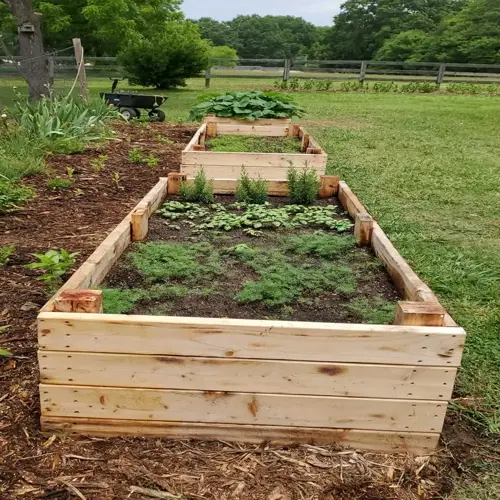

"Nothing grows in that clay without a tiller," my neighbor said, leaning over the fence and pointing at the hard patch behind my back kitchen window. I laid down cardboard and a thick load of arborist woodchips that fall instead. The next season that same patch grew tomatoes taller than the fence rail. You can absolutely grow a garden without tilling, and in heavy clay it often works better than churning the ground up.
A no till garden bed skips the digging because the soil does its own digging once you stop fighting it. You build up instead of breaking down. The plants go into rich material you add on top, and the hard ground below softens over the months without a single pass of a machine.
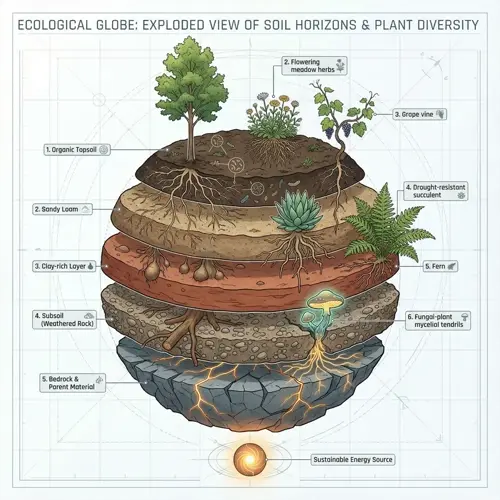
Here is what loosens the ground for you. Plant roots push down through the soil and leave channels behind when they die back. Earthworms pull leaf bits and compost down into their burrows, mixing it deep without you lifting a shovel. Fungi and microbes feed on all that material and bind the soil into crumbs that hold air and water. Left alone, undisturbed soil keeps building this structure year after year.
Tilling wrecks that work in an afternoon. The blades chop up worm tunnels and fungal threads, then the loose dirt slumps back into a tight crust once the rain hits it. You get a soft seedbed for a few weeks and a harder layer below than before. That is why a tiller often makes clay worse over time, not better.
The build itself takes one afternoon and no special tools. Mow or knock down whatever is growing, then follow these layers.
Cover the whole area with plain cardboard and overlap the seams by a few inches so no light gets through. This smothers grass and weeds while it slowly breaks down.
Spread 4 to 6 inches (10 to 15 cm) of compost right on top of the cardboard. This is the layer your plants root into during the first season.
Finish with 4 to 6 inches (10 to 15 cm) of mulch like woodchips or straw. The mulch holds moisture, blocks weeds, and feeds the soil as it rots.
Set transplants straight into the compost layer. For seeds, pull the mulch back, sow into the compost, and tuck the mulch around the seedlings once they sprout.
You plant into that compost layer the same day you build it. Roots reach down, hit the soaked cardboard, and grow right through it within weeks as it goes soft. Below that, the worms have already started pulling the new material down into the clay. By the end of the first season the line between your added compost and the old ground starts to blur.
Keep the bed covered and you never need to dig again. Add a fresh inch or two of compost each spring and top up the mulch when it thins out. Bare soil is the one thing to avoid, since sun and rain pound it back into a crust. A blanket of mulch keeps the worms working near the surface where you want them.
Start with one small bed over an existing patch of lawn before you convert the whole yard. A bed around 4 by 8 feet is plenty to test how your plants respond. Watch one season of growth, dig a finger into the soil that fall, and feel how soft it has turned. Once you trust it, build the next bed right beside it and run your whole garden without tilling for good.
Read the full article: No Till Gardening: A Complete Guide