
Yes. Organic no-till farming works, and the two methods fit together better than most people expect. Both share one goal. They build healthy living soil and keep it that way. Organic rules ban man-made chemicals to keep soil life safe. No-till leaves the ground alone to keep that same life safe. So they pair up well in a home garden. It is a natural match, not a fight between two systems.
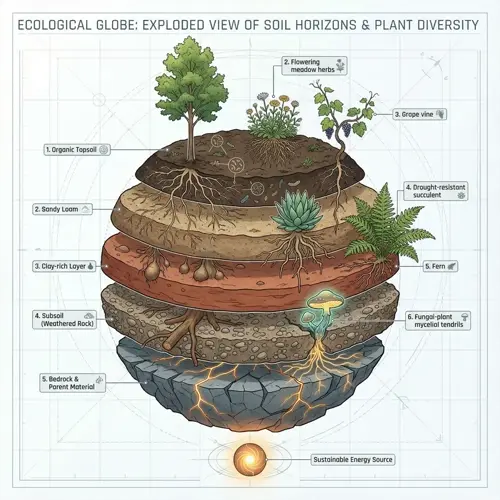
The link comes down to how soil stays alive. Tillage chops up fungal networks and burns through organic matter. Sprayed weed killers and plant food stress the microbes that hold soil together. Skip both, and you give the soil food web room to do its work. Earthworms move through the ground, roots break up compaction, and old plant material feeds next season. That is the shared engine behind both approaches.
The real catch is weed control. Conventional no-till often leans on herbicides to clear a bed before planting. Organic rules take that tool off the table, so you have to smother weeds another way. The main methods are deep mulch, cover crops, and tarps. Each one blocks the light that weed seeds need to sprout, and each one demands more planning and labor than spraying ever would.
Organic no-till swaps the chemical shortcut for physical barriers. You spend more time laying mulch and managing cover crops, but you keep the soil and your produce free of synthetic inputs.
Cover crops carry a lot of the load here. Penn State Extension notes that surface residue and living roots add organic matter. They also improve soil structure and help the ground hold water. UNH Extension points out a second perk. Keeping soil covered at all times starves weed seeds of the light they need to sprout. So a stand of winter rye or buckwheat does double duty. It guards bare ground over the off-season. It also chokes out weeds, which is just what you want in organic no-till farming when herbicides are off the table.
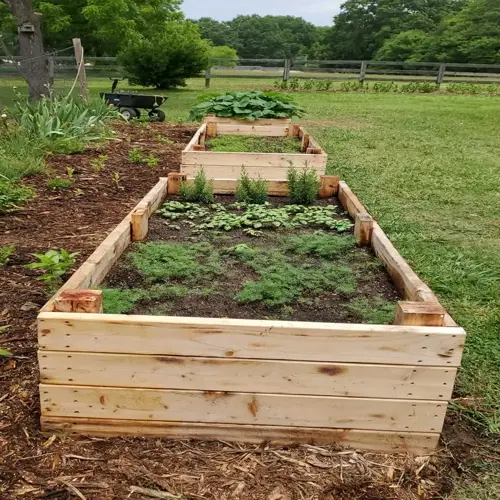
Mulch is the other workhorse. A thick layer of straw, leaves, or wood chips, around 4 to 6 inches deep, blocks light, holds moisture, and slowly feeds the soil as it breaks down. Tarps handle the heavy jobs. You lay a black tarp over a weedy bed for several weeks, and the lack of light kills off most of what is growing underneath. None of this happens with the push of a button, but all of it builds the soil instead of stripping it.
Scale is where the picture changes. On a backyard plot, deep mulch and cover crops cover the whole garden in a weekend. So organic no-till farming is very workable for home gardeners. On a large operation the math gets harder. Epic Gardening notes that big organic farms often still need some tillage. Hauling enough mulch across acres of ground is not practical. At that size, weeds can win without a fast way to clear them.
- Deep mulch covers the whole plot in a weekend.
- Cover crops and tarps handle weeds without chemicals.
- Full no-till is realistic and easy to maintain.
- Hauling enough mulch across acres is not practical.
- Weeds spread faster than hand methods can keep up.
- A minimal-till compromise is often the workable middle.
Here is the practical takeaway. If you garden at backyard scale, go all in. Build deep mulch beds, plant cover crops in your off-season, and keep a tarp on hand for stubborn patches. You will spend more effort up front than a sprayer would. But the soil gets richer every year. If you run a larger organic farm, treat a light, occasional tillage pass as a fair compromise. It is not a failure. The goal is healthy living soil, and you can reach it either way.
Read the full article: No Till Gardening: A Complete Guide