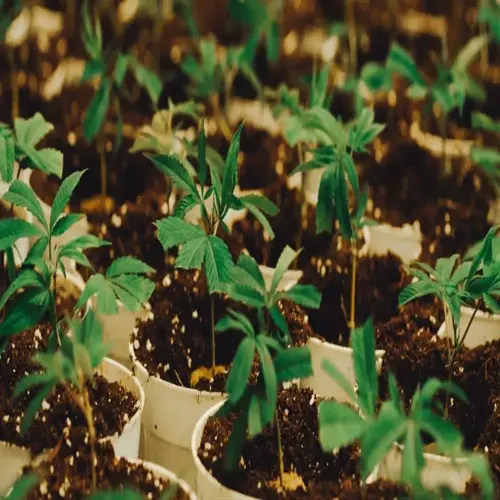

Small green seedlings showed up in the back corner by the woods edge one spring, and I had not planted a thing there. They turned out to be black-eyed Susan and coneflower sprouts, popping up on their own the season after my first flowers set seed.
So do they come back? It depends on the type of plant in your seed mix. Perennial species return every year on their own, while annuals only come back if they drop seed first. Whether you see wildflowers coming back in spring comes down to that one difference, and most mixes hold both kinds at once.
The split matters more than the label on the bag. Perennials grow back from the same roots each year, so the plant you see is the same one as last summer. Biennials spend their first year as low leaves and bloom in their second year. Many annuals finish their whole life in one season and return only through self-seeding wildflowers that sprout the next spring.
Here is how each group behaves once it is in the ground.
Perennial Wildflowers
- How they return: They regrow from the same roots each spring, so coneflower and black-eyed Susan come back without any new seed.
- Bloom timing: Many spend the first year building roots and put on their best show in year two and beyond.
- Lifespan: A healthy clump can last 5 years or more and slowly spreads into a wider patch.
Biennial Wildflowers
- How they return: They live two years, so the plant you sow now blooms next year and then sets seed and dies.
- First-year look: Foxglove and black-eyed Susan often spend year one as a low rosette of leaves with no flowers.
- Staying power: They keep going as long as each generation drops seed, so leave their stems standing to feed the cycle.
Annual Wildflowers
- How they return: The parent plant dies at the end of the season, so next year depends on seed that fell to the soil.
- First-year role: Fast bloomers like cosmos and poppies dominate the first summer and give you quick color.
- Staying power: They fade from a patch within a year or two unless you let them drop seed or you overseed.
Most store mixes pack in both annuals and perennials on purpose. The annuals carry your first year with heavy bloom while the perennials are still growing roots underground. By the second or third season the balance flips and your slower plants take over the show. That is why a meadow can look thin in year one and then fill out as it ages.
One plant often grabs more space than the rest after a year or two. A vigorous variety can crowd out its neighbors, so a patch that started as ten colors might settle into two or three that grow best in your soil. This is normal and not a sign you did anything wrong. If you want the variety back, you can pull the bully in a few spots and overseed the gaps with your favorite types.
You can steer the meadow with a few simple habits. Leave the seed heads standing through fall so plants can drop seed for next year. Skip the urge to tidy up brown stems too early, since those stems hold the seed that fills next spring's patch.
Cut your mowing with care. Avoid mowing low before seed sets, usually late fall or early the next spring, or you strip away the seed that would have started new plants. One pass at the wrong time can thin a patch fast.
Watch for gaps each spring and fix them early. If a once-showy annual fades out and leaves bare ground, overseed those thin spots with a fresh handful of seed. Rake the soil a little first so the seed makes good contact, then water it in. A little new seed each year keeps your color full and stops weeds from filling the open soil instead.
Do that for a few seasons and your patch sorts itself into a stable mix, with wildflowers coming back on their own each spring. You will get the strong perennials returning from their roots and the annuals reseeding in the bare spots. Give it time, leave the seed heads alone, and the meadow does most of the work for you.
Read the full article: How to Plant Wildflower Seeds