
Introduction
You want a sunny patch of yard to fill with color and buzz with life. Wildflower seeds are the cheapest way to get there. By the end of this guide you will know how to do it right, from prepping the ground to sowing to picking a mix that feeds bees. More people are trading thirsty lawns for low-mow, bee-friendly patches, and a sunny corner is all you need to start.
A wildflower patch is real habitat, not just decoration. About 78% of flowering plant species lean on animals to move their pollen. So every bloom you add gives bees, butterflies, and other pollinators a place to feed. Plant the right mix and you build a small living system in your own yard.
Here is where most guides let you down. They tell you to scatter, water, and wait, then stop. This one keeps the how-to tight and goes further. You will learn which seeds do the most for bees. You will learn to read a wildflower seed mix label so you know what is native. And you get the honest three-year timeline that seed packets never show you.
Hold onto this simple idea before you start. When you plant wildflower seeds, you are not really planting a flower bed that looks finished on day one. You are starting a wildflower meadow that fills in over a few seasons. Get the early steps right and the patch rewards you for years.
How to Plant Wildflower Seeds
I knelt in the bare 400 square foot back corner where my lawn meets the woods, pressing seed into the dirt with my palms. Then I grabbed the rake and dug in too hard. Three weeks later that strip came up thin and patchy while the rest filled in. So I reset on the next pass and barely scratched the surface, just enough to settle the seed against the soil.
That patchy strip taught me what every step below protects, which is contact. The trick to planting wildflower seeds is less about burying them and more about pressing them onto bare ground they can grip. Bury the seed and you smother it. The steps here keep the seed shallow and the soil firm around it.
Before you sow anything, clear the ground. A wildflower mix will not outcompete the weeds or turfgrass already growing in that spot, so you have to remove them first. The cheapest way to prepare soil for wildflowers is to smother the area. Lay down cardboard or newspaper, top it with an organic layer, and let it sit. Skip the compost and manure too, because wildflowers want lean, low-fertility dirt, not a rich bed.
Once the ground is bare and rough, you sow wildflower seeds by hand using a simple broadcast seeding method. Mix the seed with dry sand at about an 8 to 1 ratio so you can see where it lands and spread the fine grains evenly. Split your batch in half and walk it in two passes that cross at right angles, which gives you cover with far fewer bald spots.
Smother existing weeds and turf with cardboard or newspaper topped with an organic layer. A mix will not outcompete plants already rooted in that ground.
Rough up the top of the bare soil so seeds can settle in and grip. The whole point of how to plant wildflower seeds well is contact, so do not add compost, manure, or nitrogen fertilizer.
Combine the seed with dry sand at about an 8 to 1 ratio. This shows you where you have sown and helps the fine seed spread evenly.
Split the seed into two halves and scatter each half walking in perpendicular directions. The crossing passes give you far more even coverage.
Roll or tamp the seed for solid seed-to-soil contact, leave it uncovered, and keep the surface moist for the first 4 to 6 weeks.
After you scatter the seed, resist the urge to bury it. Run a roller or tamp it down with the back of the rake, then rake no deeper than 0.25 inch (0.6 cm) if you rake at all. Wildflower seed needs light and firm contact, not a blanket of dirt on top. That single mistake is what thinned out my first strip.
The last job is water. Keep the surface damp for the first 4 to 6 weeks while the seedlings root, then ease off as they take hold. Get the seed-to-soil contact right and stay patient through that early window, and the bare corner starts to fill in on its own.
Best Seeds for Pollinators
I planted one clump of butterfly weed in the damp back corner of my yard, and from the kitchen window it glows bright orange all summer. Bees crawl over every flower on that single plant from morning on. A few feet away my double-flowered ornamental sits untouched, day after day, with not a single bee on it.
That gap is the whole point for you as a buyer. Some flowers feed pollinators and some just look pretty, and you see the difference fast once you watch a real patch. So the best wildflower seeds for pollinators are not always the showiest ones on your seed rack.
You can do better than the usual "attracts bees" tag. One study in the U.S. Southeast caught 1,024 native bees from 26 groups in a single season. Just three wildflowers, butterfly weed, Indian blanket flower, and blue vervain, drew 89% of all the bee types they found.
Treat that top three as a Southeast finding, not a rule for the whole country. Check your own growing zone first before you buy. The plants below tie that science to seeds you can pick up, like purple coneflower and wild bergamot.
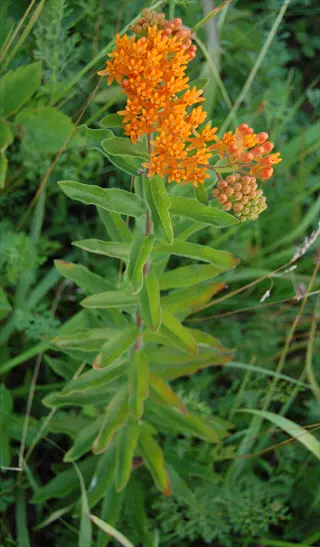
Butterfly Weed (Asclepias tuberosa)
- Why it ranks: It was one of three species that drew 89% of native bee taxa in a southeastern U.S. study, making it a standout for pollinators.
- Bloom: Bright orange clusters appear through summer and double as a larval host plant for monarch butterflies, not just a nectar source.
- Site: It thrives in full sun with at least 6 hours of light and tolerates the dry, low-fertility soil wildflowers prefer.
- Type: This is a long-lived native perennial, so it returns and strengthens year after year once established in the meadow.
- Pairing: Plant it in clumps rather than as single plants so bees and butterflies can find and work the flowers easily.
- Note: Confirm it suits your growing zone before buying, since the top-three finding is specific to the Southeast.
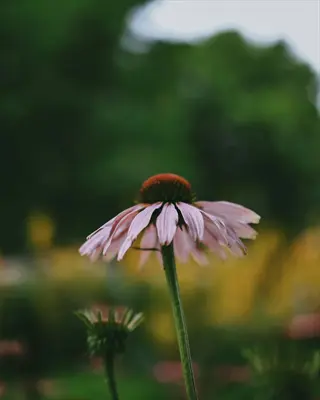
Purple Coneflower (Echinacea purpurea)
- Why it ranks: Research found it to be strongly pollinator-dependent, meaning insect visits significantly boost its seed production and quality.
- Bloom: Its large pink-purple daisy flowers bloom for weeks in summer and the seed heads feed birds like goldfinches into fall.
- Site: It grows in full sun and average to poor soil, fitting the low-fertility conditions a wildflower meadow provides.
- Type: A reliable native perennial, it is one of the more dependable species to return strongly in year three and beyond.
- Pairing: It mixes well with grasses and other meadow perennials and stands up well to wind without staking.
- Note: Leave the spent seed heads standing over winter for wildlife rather than deadheading everything in fall.
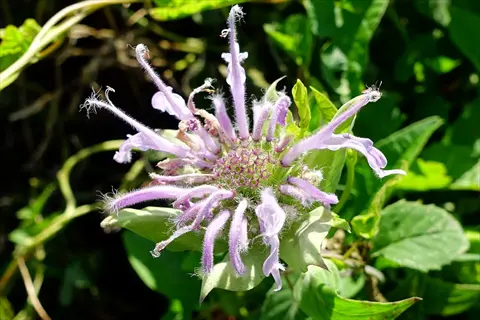
Wild Bergamot (Monarda fistulosa)
- Why it ranks: Extension sources note it is well adapted to poor, dry soils of meadows and woodland edges, exactly where many gardeners struggle.
- Bloom: Its lavender, slightly ragged flower heads bloom in mid to late summer and draw bees, butterflies, and hummingbirds.
- Site: It handles dry, low-fertility ground and full sun, making it a forgiving choice for a tough sunny corner.
- Type: This native perennial spreads slowly into clumps and comes back each year once it settles in.
- Pairing: Group it with coneflower and black-eyed Susan for overlapping bloom periods through the summer.
- Note: Good airflow helps keep its foliage healthy, so avoid crowding it in a damp, still corner.
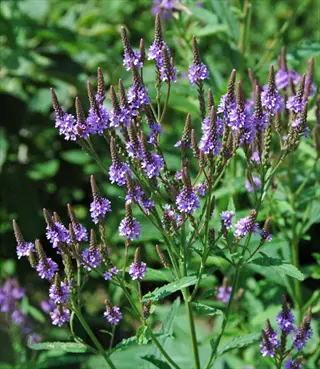
Blue Vervain (Verbena hastata)
- Why it ranks: It was the third of the three species that together drew 89% of native bee taxa in the southeastern study.
- Bloom: Slender candelabra spikes of small purple-blue flowers bloom from mid to late summer on tall, upright stems.
- Site: Unlike the drought-lovers, it prefers moist to wet ground, so it suits a low, damp corner or a rain garden.
- Type: A native perennial, it self-seeds readily where conditions are damp enough to support it.
- Pairing: Use it where soil stays wetter than the rest of the meadow so each species sits in the moisture it likes.
- Note: Match it to a moist site rather than forcing it into dry ground, where it will struggle.
Don't drop the quieter species just because they pull fewer visitors. The low-traffic flowers often feed uncommon or pollen-specialist bees that the popular plants ignore. That is why a diverse mix beats a handful of the showiest blooms, and it is the real case for native bees over a tidy ornamental bed.
The lead researcher on that study said it best. Here is his advice on how to get the most from your seed budget.
Anyone looking to establish pollinator habitat for the purpose of supporting native bees should research whether any of these three plants are appropriate for their growing zone. Our study findings imply these species will provide the most 'bang for your buck' in the Southeast.
Reading a Seed Mix Label
Most stores will happily sell you a wildflower seed mix, but almost none teach you how to judge one before it goes in your cart. The bag shows a field of color, the price looks fair, and you trust it. That trust is exactly where people go wrong.
A typical mix is roughly half native and half non-native plants. Unless the label says native to your region, expect non-native species in the bag. This matters a lot. Native vs non-native wildflowers act in different ways once they take root. So read the seed label up front and skip the surprises later.
Here is a fact the cover photo hides. Many people who plant a mix find that one variety takes over after the first year or two. So read the species list and the ratios before you buy, and set your expectations to match what is actually inside.
A good label tells you everything you need. It is built for your site conditions and set for your USDA Hardiness Zone. It lists the Latin names. It says native if that is your goal. And it confirms there are no invasive species. Use the checklist below in the store or on the product page.
Site and Zone Match
- What to look for: A good mix states the site conditions it suits, such as full sun and dry soil, and is designated for your USDA Hardiness Zone.
- Why it matters: A mix built for a different climate or moisture level will underperform no matter how well you sow it.
- Action: Match the label's conditions to your actual patch before buying instead of trusting the cover photo.
Native vs Non-Native
- What to look for: The label should clearly say whether the mix is native to your region, since roughly half of a typical mix is non-native.
- Why it matters: Common roadside plants like Queen Anne's lace are wildflowers but are not native to North America, so wildflower does not mean native.
- Action: If a native planting is your goal, only buy a mix specifically labeled native to your region.
Botanical Names Listed
- What to look for: A trustworthy mix lists the botanical (Latin) names of its species, not just vague color descriptions or marketing terms.
- Why it matters: Latin names let you check each species for invasiveness, bloom time, and whether it fits your site.
- Action: Cross-check the species list so you know what you are actually sowing and how long each blooms.
Invasive-Free Guarantee
- What to look for: The label should confirm the mix contains no species considered invasive in your area.
- Why it matters: An aggressive or invasive species can take over the planting and spread beyond your garden.
- Action: Avoid any unlabeled bargain mix that hides its contents, and favor mixes that name what is inside.
Run through those four points every time. A mix that clears all of them is worth your money, and one that hides its species list is not. Reading a seed label takes two minutes and protects the whole planting you are about to spend a season on.
Do not assume a colorful wildflower mix is native. Unless the label specifically says native to your region, expect non-native species in the bag.
When to Sow Wildflower Seeds
That back corner by the woods edge came up thick and early last spring, weeks ahead of the rest of the yard. I had scattered seed there the November before, into damp ground right after the first cold snap. All winter it looked like bare dirt and rotting leaves, and I was sure the fall rain had washed every seed downhill. Then the green showed up while frost still touched the lawn.
So when to plant wildflower seeds comes down to two real windows, not the vague "spring or fall" advice you read everywhere. The trick is reading soil temperature instead of the calendar, since a cold March behaves nothing like a warm one. Get the timing right and your germination rate climbs without any extra work.
For spring planting, wait until the soil warms to about 55 degrees Fahrenheit (13 degrees Celsius) and the danger of hard frost has passed. A cheap soil thermometer settles the question in seconds. Sow too early into cold, wet ground and the seed just sits there, and some of it rots before it ever sprouts.
Fall sowing works on a different principle, and cold-climate gardeners get the most from it. You drop the seed after temperatures fall but before the ground freezes solid. This is dormant seeding. The seed settles in and cold-stratifies over winter on its own, the same chill many native species need to wake up. They sprout early the next spring, just like that damp corner did.
Early Spring
Sow once soil warms to about 55 degrees Fahrenheit (13 degrees Celsius) and the danger of hard frost has passed, then water for the first 4 to 6 weeks.
Late Spring to Summer
You can still sow in warm soil, but be ready to water more often since heat dries the surface quickly during germination.
Early Fall
In milder areas, sow about 60 to 90 days before your first hard frost so seedlings establish before winter.
Late Fall (Dormant)
In cold climates, scatter seed after temperatures drop but before the ground freezes so it cold-stratifies over winter and sprouts early in spring.
The 3-Year Meadow Reality
Seed packets show a wall of color and hint you will get that same view by August. Real wildflower establishment does not work that way. The University of New Hampshire Extension calls it a three-year process. That honest timeline is the one number retailers leave off the bag.
A meadow is grown, not installed. Judging it by the first summer is like judging a tree by its first season. The plants spend their early energy on roots you never see, not the blooms you want. So the wildflower meadow timeline rewards patience over speed.
My second summer with a seeded patch looked like a flop. A few black-eyed Susan stood in a sea of green, and I almost mowed it flat in frustration. I left it alone, and the next June that same patch came up thick with bloom. The roots had been busy the whole time.
Here is the year by year breakdown of what to expect. Year one goes to site prep and bare ground, which feels like nothing is happening but sets up everything that follows. Year two gives sparse bloom, with black-eyed Susan the reliable exception that often shows color early. Year three brings strong, diverse emergence, and year four settles into a full, varied meadow.
Notice that year one is all groundwork. The extension specialist who tracked this process is blunt about why that first season cannot be rushed.
Successfully establishing a meadow from seed is a three-year process, with the first year devoted to good site preparation.
Caring for Your Wildflowers
Here is the good news about caring for wildflowers. You do less, not more. A meadow rewards restraint, and most of the harm new growers cause comes from trying too hard with water, feed, and the mower.
Watering wildflower seedlings is the one job that needs your full attention at the start. Keep the surface moist for the first 4 to 6 weeks while the seeds germinate. After that, let rain do most of the work and step back. Soggy soil rots young roots faster than a dry spell hurts them.
Once your plants are up and growing, this checklist covers the rest of your wildflower maintenance through the year.
- Water early: Keep the surface moist for the first 4 to 6 weeks while seeds germinate, then let the planting rely mostly on rain.
- Skip the feed: Do not add compost, manure, or nitrogen, since rich soil feeds aggressive weeds more than the wildflowers.
- Mow high: Cut at 6 to 8 inches (15 to 20 cm) once a year at most, after plants have set seed, rather than mowing low and often.
- Leave habitat: On a large meadow, mow only a third to a quarter each year so insects keep overwintering cover and nesting sites.
- Spot weed: Pull aggressive weeds by hand in the first year or two so they do not crowd out slower perennials before they establish.
Resist the urge to fertilize. Wildflowers prefer low-fertility soil, so adding compost or nitrogen mostly feeds the weeds you are trying to keep out.
Mowing a meadow is a once-a-year job at most, and you should wait until the plants have set seed. Cut high at 6 to 8 inches (15 to 20 cm) so you clip the spent growth without scalping next year's perennials. You can even skip a year, because a meadow does not need a yearly haircut.
On a big planting, mow only a third to a quarter at a time each year. The uncut sections give insects and other wildlife the cover they need to overwinter and nest. That gap is what keeps a meadow alive year after year, and it is why this kind of garden stays low maintenance once it settles in. Over-watering, over-feeding, and over-mowing are the three habits to drop.
5 Common Myths
You can scatter wildflower seeds onto a lawn or weedy patch and they will outcompete the existing plants on their own.
Wildflower mixes will not outcompete established weeds or turfgrass. You must clear and prepare the site first or the seedlings get smothered.
Wildflowers need rich, fertile soil with plenty of compost and fertilizer to put on their best display each season.
Wildflowers prefer low-fertility soil. Adding compost, manure, or nitrogen mainly feeds aggressive weeds and grasses instead of the flowers.
A wildflower meadow looks lush and full in its very first summer, just like the photos on the seed packet show.
Establishing a meadow from seed is a three-year process. Year one is site prep, year two is sparse, and year three fills in.
Any wildflower seed mix you buy is made up of native plants that belong in your local landscape and region.
Unless a mix is labeled native to your region, it usually contains non-native species. Roughly half of a typical mix is non-native.
Every flower in a colorful packet is equally good for bees, so the specific species in the mix do not really matter.
Pollinator value varies widely by species. A few wildflowers, like butterfly weed and blue vervain, attract far more native bees than others.
Conclusion
This article delivered a short, repeatable plan. Prepare the site so weeds don't choke your seedlings. Mix your wildflower seeds with sand and broadcast them in two passes for even cover. Pick native wildflowers that feed bees, then read the label so you know what's really in the packet. Get those parts right and the rest follows.
Here is the single most useful fact most packets leave out. A wildflower meadow takes three full years to come in, and the first year is almost all site prep with little bloom to show. That plain truth isn't a failure on your end. It's just how these plants build deep roots before they flower.
So treat your meadow as something you grow over seasons, not something you install in a weekend. Good prep and a little patience matter far more than the size of the seed packet you buy. When you plant wildflowers this way, you set up a pollinator garden that comes back stronger each year instead of one big burst that fades.
Now look forward to that sunny corner in year three. The black-eyed Susans are up, the coneflowers are humming, and native bees and butterflies work the blooms from spring into fall. You grew that with a bag of seed, a rake, and the patience to wait. That payoff is worth every season it takes.
Glossary
- Annual
- A plant that completes its whole life cycle, from seed to flower to seed, in a single growing season.
- Broadcast seeding
- Scattering seed by hand or spreader evenly over the soil surface rather than planting in rows.
- Cold stratification
- A period of cold, moist conditions that some seeds need before they will germinate.
- Dormant sowing
- Sowing seed in late fall so it sits through winter and sprouts naturally in early spring.
- Native plant
- A plant species that occurs naturally in your region and supports local wildlife and pollinators.
- Pollinator-dependent
- Describes a plant that needs visits from bees or other insects to produce a good amount of healthy seed.
- Seed-to-soil contact
- Pressing seed firmly against bare soil so it can absorb moisture and germinate.
- USDA Hardiness Zone
- A regional climate rating that tells you which plants can survive the winters where you live.
External Sources
Frequently Asked Questions
Can I just throw wildflower seeds on the ground?
Scattering seed onto unprepared ground rarely works because the seeds cannot reach soil and get outcompeted by weeds and grass.
What is the best way to sow wildflower seeds?
Mix seed with sand at an 8 to 1 ratio, broadcast in two perpendicular passes, then press the seed into bare soil.
How much wildflower seed do I need?
A common meadow rate is about 0.5 pounds per 1,000 square feet, which equals roughly 20 pounds per acre.
What wildflower seeds are best for bees?
Top performers include butterfly weed, Indian blanket flower, blue vervain, purple coneflower, and wild bergamot.
Are wildflower seed mixes native or non-native?
Unless a mix is specifically labeled native to your region, it will typically contain a mix of native and non-native plants.
How long do wildflower seeds take to grow?
Seeds usually germinate within 4 to 6 weeks, but a full diverse meadow takes about three years to establish.
Is it too late to sow wildflower seeds in fall?
Fall is a good time for dormant sowing in cold climates, as long as seeds go down before the ground freezes solid.
Do wildflower seeds come back every year?
It depends on the mix; perennials return each year and many annuals self-seed, while some species fade after a season.
Do wildflowers need full sun to grow?
Most wildflower mixes need at least 6 hours of direct sun a day, though some species tolerate partial shade.
Why won't my wildflower seeds grow?
Common causes include poor soil contact, planting too deep, weed competition, drying out, or birds eating the seed.