
Most cases of wildflower seeds not growing come down to five fixable causes. You buried the seed too deep, it never touched bare soil, the patch dried out, weeds and grass crowded it out, or birds ate it. Walk past that patch six weeks after sowing and you see bare dirt and a few green sprouts you cannot name. The trouble is real, and almost all of it traces back to how the seed met the ground.
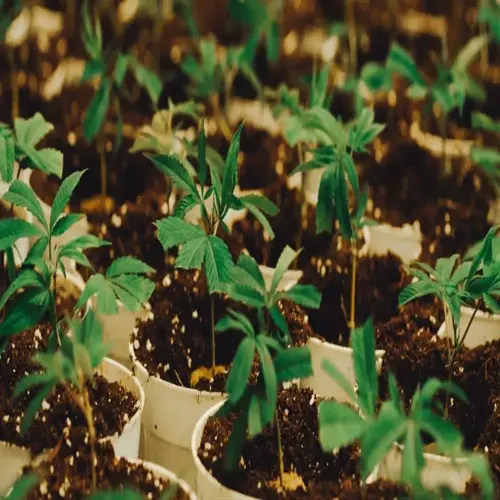
Look closer at that bare patch and you hit the first trap. The green sprouts you do see might be weeds, not flowers. A young flower seedling and a young weed both come up as the same small green shoots. So it is easy to think nothing grew. The real wildflower germination problems are still playing out underground where you cannot see them. Give the bed four to six weeks before you call it a loss.
Planting depth is the cause people miss most. Most wildflower seed needs light to sprout, so it has to sit on or just under the surface. Rake it in no deeper than the seed is wide. Bury it half an inch down and it never breaks through. The seed also needs firm contact with bare soil. Scatter it over loose fluff or thatch and it dries out before a single root takes hold.
Water is the next reason for seeds not sprouting. Wildflower seed has to stay damp through that whole four to six week window, not just the day you sow. One dry spell at the wrong time and the tiny roots die. Keep the top inch of soil moist the way a wrung-out sponge feels. A light spray once or twice a day beats one heavy soak that washes the seed into clumps.
Keep soil moist for the full germination window, never bury the seed, clear the site to bare ground before you sow, and screen the area from birds with light netting or straw.
Competition kills more seedlings than any other single thing. A wildflower mix will not beat out weeds or lawn grass that already own the ground. Those plants are bigger and rooted, and they grab the water and light first. You have to clear the site to bare soil before you sow. Pull weeds, strip the turf, and give your seed an open start with nothing fighting it.
Birds are the last suspect, and they work fast. A flock can clean fresh seed off the surface in an afternoon, which leaves you blaming the seed quality when the real problem flew away. Lay a thin layer of straw over the bed or pin down light netting until the sprouts show. Mixing the seed with a bit of damp sand before you scatter it also hides it from sharp eyes.
Here is the tip that saves the most frustration. Sow a small pinch of the same mix in a pot on a windowsill at the same time you sow the bed. Once those pot seedlings come up, you know exactly what a real flower looks like. Then you can weed the main patch without yanking the plants you wanted. It turns guesswork into a clear plan.
Give it time before you give up. Annuals show in a couple of weeks, but many perennials sit a full season before they sprout, and some need a cold winter first. A bed that looks dead in year one often fills in by year two. Clear the ground, sow on bare soil, keep it damp, guard it from birds, and most patches come good.
Read the full article: How to Plant Wildflower Seeds