
Wildflower seeds sprout in about 4 to 6 weeks with steady moisture, but a full, mixed meadow takes three full years to come in. That split matters. Germination is fast, while real wildflower growing time for a diverse stand is slow because the perennials need years to settle and bloom.
My back-corner patch by the woods edge looked thin and sad in its second summer. Mostly black-eyed Susan stood there, and I figured the mix had failed. Then year three came. The same ground filled in with purple coneflower and orange butterfly weed. It grew thick enough to hide the bare soil I had stared at all of the year before. For a while there I was sure the whole thing had failed on me.
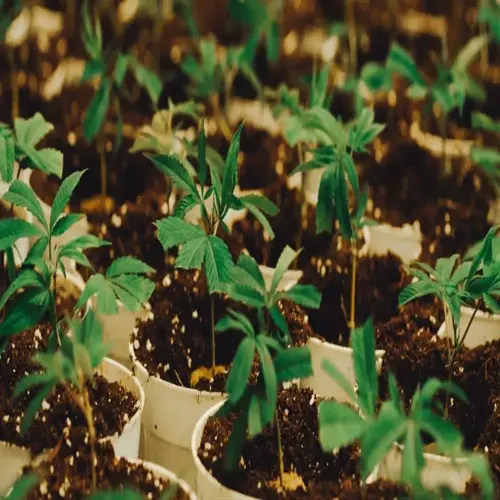
Here is what drives the wildflower germination time you actually see. Most annual seeds break ground in 4 to 6 weeks once they get water and warm soil. Annuals race ahead because they have to flower and set seed in one season. The slow part is the perennials, and they are the plants that turn a seed patch into a lasting meadow.
Think of the meadow establishment timeline as three seasons of work. Each one does a job. Here is how they break down:
Year One
This is site prep. Roots dig down and annuals carry most of the color. The soil work below ground matters more than what you see on top.
Year Two
Little visual reward. Black-eyed Susan shows up reliably, but the patch looks sparse while perennials build strength underground.
Year Three
Strong, diverse emergence. Coneflower, butterfly weed, and other perennials bloom together and fill the gaps for good.
Year one fools a lot of people. The annuals flower and look great, so you think the work is done. But that first season is really about site preparation below the soil line. The perennial roots are spreading wide and deep. They spend their energy down there instead of on blooms you can see, and that root work is the real wildflower growing time at play.
Year two is the hard one. The fast annuals fade, and the perennials still are not ready to put on a show. You get a sparse patch with black-eyed Susan doing most of the heavy lifting. This is the stage where people till the whole thing under and start over, right before it was about to pay off.
A few things speed up or slow down how fast the seeds break ground. Warm soil and steady moisture push most mixes toward the fast end of that 4 to 6 week window. Cold, dry, or crusted soil drags it out. Some perennial seeds also need a cold spell before they sprout at all, which is why a fall sowing often beats a late spring one.
Water is the one job you cannot skip early. Keep the seedbed damp for the first 4 to 6 weeks so the seeds sprout evenly and the young roots take hold. After that the plants find their own water, and you can step back and let nature run the patch.
It helps to know which plants you are even looking at each year. The first season is mostly annuals like cosmos and poppy that flash big color and then fade. The lasting blooms come from perennials, and those are the plants that earn the long wait. Knowing the difference keeps you patient when the showy annuals drop off.
So do not give up after a thin second summer. Annuals bloom first and carry the early color while the perennials catch up underneath. Hold the line through year two, and year three rewards you with the deep, mixed meadow you pictured when you spread that seed.
Read the full article: How to Plant Wildflower Seeds