
Introduction
Ask 10 gardeners what french lavender is and you will get two firm answers that contradict each other. In the US, Australia, and New Zealand, the name points to Lavandula dentata with its toothed gray foliage. In the UK, the same words refer to a different plant entirely. This guide focuses on L. dentata, the true fringed lavender, while clearing up the mess so you know exactly what sits in your garden bed.
I grow lavender along a sun-baked stone wall and have killed more plants than I want to admit. The common name carries two passports, one for each side of the Atlantic, and most care guides ignore that fact. After years of trial, error, and reading research papers, I built this guide to give you the answers I wish I had on day one.
French farms grow this Mediterranean shrub on roughly 20,000 hectares in the south of France. The fields sit high up between 600 and 1,200 meters (1,968 to 3,937 ft) per the Semetey 2018 study. Those high stony slopes tell you what the plant wants. Give it hot sun, lean soil, and dry air. The rosemary-scented foliage will pay you back with months of blooms.
Most online guides stop at watering tips and pruning advice. This one goes further. I cite peer-reviewed phytochemistry, real cold tolerance data, and the disease that hit French fields hard since the 1960s. You will learn how to spot the right species, grow it well, and use the cut stems the right way.
Best French Lavender Varieties
Picking the right cultivar matters more than most people think when you start a lavender bed. Each variety carries its own visual signature, from toothed gray foliage on classic L. dentata to the rabbit-ear bracts on stoechas types. The RHS Award of Garden Merit is your shortcut to plants proven to perform in real gardens.
I built this short list of best french lavender varieties that thrive in home gardens. The roster below covers Royal Crown, Ballerina, and Pretty Polly. You also get candicans, plus the butterfly type and giant lavender. Match the size and color to your space before you buy.
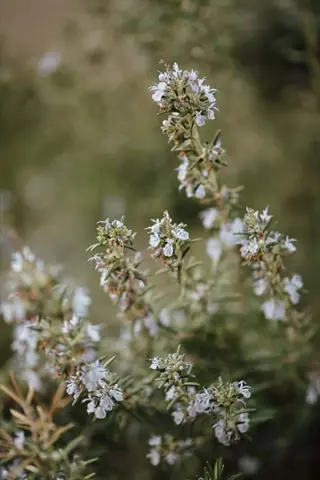
Lavandula dentata 'Royal Crown'
- Recognition: Holds the prestigious RHS Award of Garden Merit, awarded after multi-year trials confirmed consistent performance in garden settings.
- Appearance: Features the classic fringed, gray-green toothed foliage with deep purple-blue flower spikes topped by small showy bracts.
- Size: Reaches approximately 2 to 3 ft (60 to 90 cm) tall and wide at maturity, forming a tidy mounded shrub.
- Bloom season: Offers an exceptionally long flowering window from late spring through autumn in mild Mediterranean climates.
- Hardiness: Suited to USDA zones 8 to 11 and similar mild winter regions, tolerating brief dips to 19°F (-7°C).
- Best use: Excellent as a low informal hedge, container specimen, or focal point in waterwise pollinator borders.
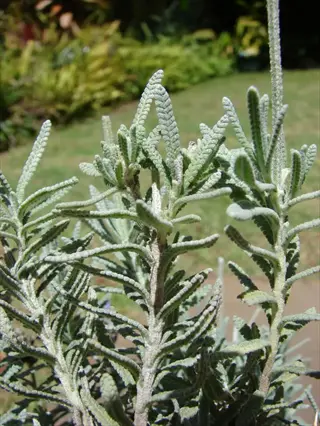
Lavandula dentata var. candicans
- Identity: A naturally occurring variety often called gray French lavender for its strikingly silvery-white woolly foliage.
- Foliage: Produces densely felted leaves that reflect intense sunlight, making it ideal for hot dry exposures.
- Flowers: Bears soft lavender-blue spikes that contrast beautifully against the pale leaves for high ornamental impact.
- Size: Grows to roughly 2 to 3 ft (60 to 90 cm), maintaining a tighter habit than the green-leaved species form.
- Drought tolerance: Among the most heat and drought tolerant lavenders once established, perfect for xeriscape designs.
- Climate: Performs best in arid Mediterranean climates and USDA zones 8 to 11 with low humidity and excellent drainage.
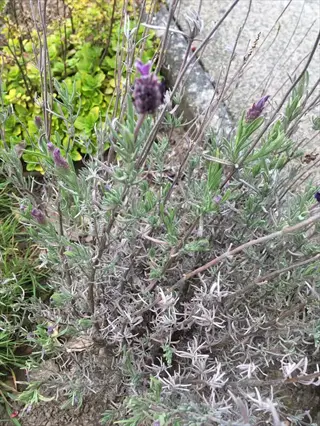
Lavandula stoechas 'Ballerina'
- Recognition: Earned the RHS Award of Garden Merit for outstanding garden performance in UK trials.
- Distinctive bracts: Features showy white sterile bracts that age to pink, sitting atop dark purple flower spikes like tiny ballet dancers.
- Size: Forms a compact mound roughly 2 ft (60 cm) tall and wide, suitable for both beds and containers.
- Bloom habit: Produces repeat flushes from late spring through summer when consistently deadheaded after the first flowering.
- Use case: Popular for cottage borders, raised beds, and informal hedging in mild winter climates.
- Hardiness: Tolerates short dips near 14°F (-10°C), slightly hardier than Lavandula dentata.
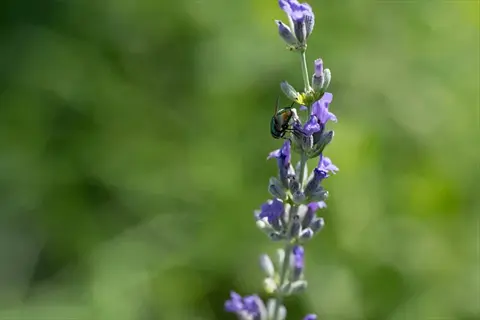
Lavandula stoechas 'Pretty Polly'
- Recognition: Another RHS Award of Garden Merit holder, prized for its consistent garden performance.
- Color: Displays vibrant magenta-purple petal bracts above slender deep purple flower heads for striking contrast.
- Size: Stays compact at around 18 to 24 in (45 to 60 cm), making it suitable for container culture and small gardens.
- Pollinator value: Highly attractive to bees and butterflies during its long bloom period.
- Maintenance: Responds well to light shaping after each flush of flowers, encouraging continued blooming.
- Site: Performs best in full sun with sharp drainage and minimal supplemental water once established.
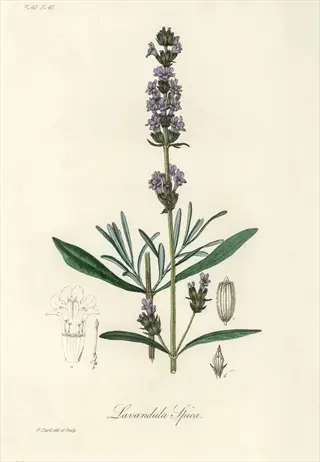
Lavandula stoechas 'Willow Vale'
- Recognition: Awarded the RHS AGM for vigorous growth and abundant flowering.
- Appearance: Bears large purple flower heads topped with prominent violet sterile bracts that catch the eye from a distance.
- Size: Reaches a more substantial 30 in (76 cm) tall and wide, slightly larger than other Stoechas cultivars.
- Habit: Strong upright growth makes it ideal for the middle of mixed borders or as a structural accent.
- Bloom time: Flowers prolifically from late spring into midsummer with sporadic repeat blooms.
- Care: Benefits from a hard cut back after main flowering to maintain shape and prevent woodiness.
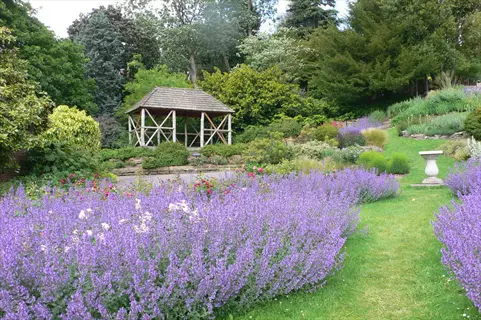
Lavandula x allardii (Giant Lavender)
- Identity: A hybrid cross of L. dentata and L. latifolia documented by NC State Extension, combining traits of both parents.
- Size: The largest of the French lavender relatives, reaching up to 5 ft (152 cm) tall and equally wide at maturity.
- Foliage: Carries elongated gray-green leaves with slightly toothed margins inherited from L. dentata.
- Flowers: Produces long slender violet flower spikes with a strong camphor-rosemary fragrance from its L. latifolia parent.
- Use case: Functions as an informal flowering hedge, screen, or large container specimen in warm climates.
- Hardiness: Best suited to USDA zones 8 to 11 with full sun, lean alkaline soil, and excellent drainage.
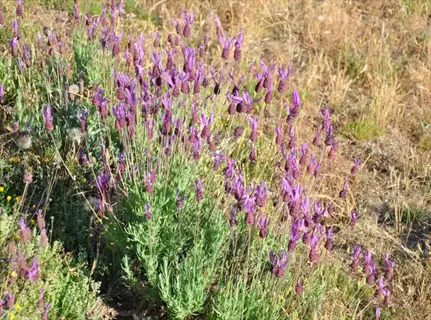
Lavandula stoechas subsp. pedunculata
- Identity: A subspecies sometimes treated as its own species, native to the Iberian peninsula and surrounding Mediterranean regions.
- Distinctive feature: Bears flower heads on noticeably long stalks (peduncles) that lift the blooms above the foliage.
- Bracts: Produces large showy purple sterile bracts that resemble butterfly wings, hence the common name butterfly lavender.
- Size: Reaches 24 to 30 in (60 to 76 cm) tall with an upright open habit.
- Use case: Excellent for naturalistic plantings, gravel gardens, and informal cottage borders.
- Hardiness: Slightly more cold tolerant than L. dentata, surviving brief dips to 14°F (-10°C).
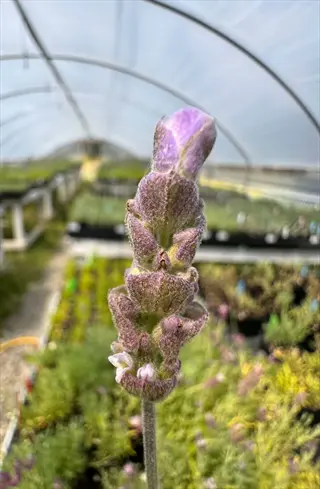
Lavandula dentata 'Linda Ligon'
- Identity: A variegated cultivar of toothed lavender with cream-edged gray-green foliage.
- Foliage interest: Provides year-round visual interest from the variegation even when not in bloom.
- Flowers: Produces typical L. dentata violet flower spikes with small terminal bracts.
- Size: Reaches approximately 2 ft (60 cm) tall and wide, slightly more compact than the species.
- Best use: Functions as a specimen plant where the unique foliage can be appreciated, such as raised beds or large pots.
- Care: Requires the same lean alkaline soil, sharp drainage, and full sun as other French lavender cultivars.
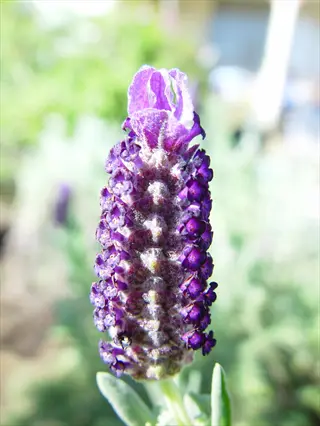
Lavandula stoechas 'Anouk'
- Identity: A popular modern Spanish/French lavender cultivar widely available at garden centers.
- Appearance: Bears deep purple flower heads topped with elegant rose-purple sterile bracts.
- Size: Stays compact at 18 to 24 in (45 to 60 cm), well suited to container culture and front-of-border plantings.
- Bloom habit: Produces an exceptionally long flowering season with repeat flushes when deadheaded.
- Climate adaptability: Tolerates a wider humidity range than many lavenders, making it useful in coastal and subtropical zones.
- Maintenance: Responds well to light pruning after each flush; avoid cutting into bare woody stems.
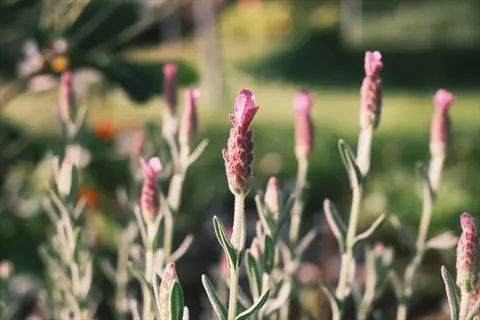
Lavandula stoechas 'Kew Red'
- Identity: Named for the Royal Botanic Gardens at Kew, this cultivar offers an unusual color in the lavender world.
- Color: Features rich raspberry-pink flower heads with pale pink to white sterile bracts.
- Size: Reaches 18 to 24 in (45 to 60 cm) tall and wide, forming a neat rounded shrub.
- Pollinator value: Bees and butterflies visit eagerly throughout the long bloom period.
- Use case: Adds unexpected color contrast in cottage borders and mixed perennial plantings.
- Care: Requires standard lavender conditions including full sun, sharp drainage, and minimal supplemental water.
If you want a safe first pick, start with Royal Crown or Ballerina since both hold AGM status. The trial process behind that award runs for multiple years before any plant earns the badge. That means you get a cultivar that bloomed well in real soil and real weather, not just in a sales catalog.
Botanical Identity And Naming
The Lavandula genus sits in the mint family. Plant folks call this group the Lamiaceae family. It holds 39 accepted species. Two of those species share the name french lavender. The split depends on the country you live in. In the US, Australia, and New Zealand, the name means Lavandula dentata with toothed leaves. In the UK, it means Lavandula stoechas, which your American friends call Spanish lavender.
I learned this the hard way after I ordered a 'french lavender' online from a UK seller. The plant arrived with smooth leaves and rabbit-ear bracts, not the toothed gray foliage I expected. NC State Extension lists L. dentata at up to 3 ft (91 cm) tall with fringed lavender leaves about 1.5 in (3.8 cm) long. The toothed lavender margins on those leaves give the plant its name. L. stoechas climbs taller at up to 4 ft (122 cm) with the famous rabbit-ear bracts.
Check the leaf shape when you buy a plant from the garden center. Toothed gray-green margins mean dentata. Smooth narrow leaves with pinecone-shaped flowers mean stoechas. The pot label might also say one thing while your neighbor across the ocean calls it something else.
Planting Site And Soil Setup
Think of a Mediterranean hillside when you plan your spot for planting french lavender. The plant wants gravelly ground, full sun, and fast drainage. Rich garden beds will kill it faster than a hard frost. Cultivation in France happens at 600 to 1,200 m (1,968 to 3,937 ft) per Semetey et al. 2018, where the soil is lean and the slope sheds water.
You need 6 hours direct sun at a minimum and well-draining soil with alkaline soil chemistry near pH 8. If you live north of USDA zone 8, container growing becomes your only path because L. dentata dies below 19°F (-7°C). A raised bed can also save you when your native soil holds water like a sponge.
Choose The Right Site
- Sun exposure: Select a location receiving at least 6 hours of direct sunlight daily, ideally 8 or more for maximum flowering and oil production.
- Air movement: Pick spots with good air circulation to prevent fungal problems; avoid corners against walls or dense plantings.
- Drainage: Look for naturally elevated ground, south-facing slopes, or stony soil where water never pools after rainfall.
- Microclimate: In borderline zones, plant near south-facing walls or paving that radiate stored heat through cool nights.
- Spacing: Allow 2 to 3 ft (60 to 90 cm) between mature plants for airflow and to accommodate the full mounded form.
Prepare The Soil
- Target pH: Adjust soil to a slightly alkaline range of 7.0 to 8.0 using horticultural lime if your soil tests acidic.
- Texture: Amend heavy clay or rich loam with coarse sand, fine gravel, or perlite at roughly 50% by volume to improve drainage.
- Avoid fertilizer: Skip compost-heavy amendments because rich soils encourage soft growth and reduce flowering and oil concentration.
- Test drainage: Dig a 12 in (30 cm) hole, fill with water, and confirm it drains within 1 hour before planting.
- Mulch choice: Top with gravel, pea stone, or crushed shell rather than bark, which retains too much moisture against the crown.
Plant In Containers
- Pot size: Choose a container at least 12 to 16 in (30 to 40 cm) wide and deep with multiple large drainage holes.
- Material choice: Use terracotta or unglazed clay pots that wick moisture away from roots rather than plastic or glazed ceramic.
- Potting mix: Blend standard potting soil with 30% to 40% coarse sand or pumice for the necessary sharp drainage.
- Drainage layer: Add a 1 to 2 in (2.5 to 5 cm) layer of gravel or clay pebbles at the bottom before adding potting mix.
- Mobility advantage: Container culture lets gardeners north of zone 8 move plants indoors before sustained freezing temperatures arrive.
When And How To Plant
- Best timing: Plant in spring after the last frost in cold climates, or in autumn in mild Mediterranean zones for root establishment.
- Hole preparation: Dig a hole twice as wide as the rootball but only as deep, keeping the crown slightly above grade.
- Backfill: Use the amended native soil rather than rich potting mix to encourage roots to spread into surrounding ground.
- Initial watering: Water thoroughly at planting to settle soil, then reduce to weekly only until roots establish.
- Mulch application: Apply a 1 in (2.5 cm) layer of gravel mulch around but not touching the woody base to prevent rot.
I built a small raised bed with crushed limestone two years ago after losing three plants in clay. The bed sits in 6 hours direct sun and drains in minutes after rain. Skip the compost when you set up your site. Lean alkaline soil beats rich mix every time for this plant.
Watering Sun And Climate Needs
Picture a desert hiker who stores water in a flask and sips slow. That is how lavender survives. The plant tucks moisture into woody stems and pulls from those reserves between rains. Watering french lavender the way you water petunias is the single fastest way to kill it.
You want 6 hours direct sun and a clear read on your zone. This Mediterranean shrub dies if cold stays below 19°F (-7°C) per Nature & Garden. That puts you safe in USDA zones 8 to 11. As a drought tolerant plant, it needs water every 2 to 3 weeks once roots set.
Sunlight Requirements
- Minimum threshold: Provide at least 6 hours of direct unfiltered sunlight per day for survival and basic flowering.
- Optimal exposure: Aim for 8 or more hours of direct sun to maximize flower production, foliage density, and essential oil concentration.
- Indoor limitations: South-facing windows rarely deliver true full-sun intensity, which is why indoor plants typically decline within a year.
- Reflected heat: Plants thrive next to stone walls, gravel paths, and paved surfaces that radiate stored solar heat.
- Shade signs: Leggy growth, sparse flowering, and dark green soft leaves all indicate insufficient sunlight.
Watering Schedule
- Establishment phase: Water deeply once per week for the first 4 to 6 weeks after planting to develop a strong root system.
- Established in ground: Reduce to one deep watering every 2 to 3 weeks during the growing season, less in winter.
- Container plants: Pots dry faster and may need watering every 5 to 7 days in summer; check the top 2 in (5 cm) before watering.
- Winter rhythm: Cut watering to once every 2 to 3 weeks for indoor potted plants and let outdoor plants rely on natural rainfall.
- Overwatering signs: Yellowing lower leaves, wilting despite moist soil, and a sour smell indicate root rot from excess moisture.
Temperature And Hardiness
- Cold tolerance: Lavandula dentata survives sustained temperatures only to about 19°F (-7°C) before stem and root damage occurs.
- L. stoechas hardiness: Slightly tougher, surviving brief dips to 14°F (-10°C) per RHS guidance.
- USDA zones: Both species are reliably perennial in USDA zones 8 to 11; occasional success in protected zone 7 microclimates.
- Heat tolerance: Excellent heat resistance up to 100°F (38°C) and beyond when soil moisture remains low.
- Humidity sensitivity: High humidity promotes fungal disease and reduces flowering; thrives best in dry summer climates.
Climate Considerations
- Ideal climate: Mediterranean-type climates with dry summers, mild wet winters, and excellent drainage match native habitat conditions.
- Coastal gardens: Tolerates salt spray and ocean wind, making it useful in seaside plantings within hardiness range.
- High humidity zones: Plants struggle in subtropical humid regions; raised beds and increased spacing help offset disease pressure.
- Continental winters: In zones colder than 8, treat as a container annual or move pots indoors before sustained frost arrives.
- Oil quality factor: Per horticultural references, drier growing seasons yield more concentrated and fragrant essential oil.
I lost my first plant to a soggy spring after I followed a generic watering chart. Now I let the soil go bone dry between drinks. Perfumers note that drier seasons yield more fragrant oil. Less water means stronger scent and a tougher plant.
Pruning Shaping And Overwintering
Treat pruning french lavender like a haircut, not an amputation. You shape the plant and spark fresh growth. You never cut into bare wood because the plant cannot regenerate from old stems. Early spring pruning sits at the heart of a healthy plant since fresh cuts seal quick in warm weather.
Hard pruning in autumn is one of the worst mistakes I see in home gardens. Fresh cuts in fall act as frost entry points and lower overwintering success. Stick to summer pruning after the main bloom and a tidy round of deadheading through the season. Always avoid woody base cuts no matter the month.
Early Spring Pruning
- Timing: Wait until late winter or very early spring when frost risk is mostly past but before new growth emerges.
- How much: Cut back the top one-third to one-half of the plant, removing spent flower stems and a portion of green growth.
- Critical rule: Never cut into the bare woody base because lavender rarely regenerates from old wood.
- Shape goal: Aim for a rounded mounded form that maximizes sunlight exposure across all sides of the plant.
- Tools: Use sharp clean bypass pruners for individual stems, or hedge shears for established hedges of multiple plants.
Deadheading During Bloom
- Purpose: Removing spent flower spikes redirects energy from seed production to fresh blooms and tidies the plant.
- Method: Snip individual spent stems just above the first set of leaves with sharp pruners.
- Frequency: Deadhead every 1 to 2 weeks during the long bloom period from spring through autumn.
- Repeat bloom benefit: Regular deadheading encourages multiple flushes, especially in L. stoechas cultivars like 'Anouk' and 'Ballerina'.
- Harvest combo: Cut for drying when buds are still tight but show color for maximum fragrance retention.
Avoid Autumn Pruning
- Frost vulnerability: Fresh cuts in autumn create open wounds that allow frost to penetrate stems and damage internal tissue.
- Disease risk: Pruning wounds invite fungal infection during the wet cool autumn weather typical of temperate climates.
- Winter survival: Plants pruned in autumn show measurably lower winter survival rates than those pruned in spring.
- Exception: A very light deadheading is acceptable to tidy the plant, but avoid removing significant green growth.
- Recovery time: Save substantial cuts for early spring when active growth quickly seals wounds and produces new shoots.
Overwintering Strategies
- In-ground zones 8-11: Apply 2 in (5 cm) of gravel mulch around the base for insulation; no other protection typically needed.
- Zone 7 marginal: Add horticultural fleece or breathable frost blanket over plants during cold snaps below 25°F (-4°C).
- Container in cold zones: Move pots into an unheated bright porch, garage, or cool greenhouse before first hard frost.
- Indoor dormancy: Keep overwintering plants cool (40 to 55°F / 4 to 13°C) with bright light and minimal watering every 2 to 3 weeks.
- Avoid overprotection: Don't bring plants into warm heated rooms because they need cool dormancy to bloom well the next season.
Keep in mind that L. dentata lives only 4 to 5 years per Garden Design. Heavy rejuvenation cuts that work on English lavender will often kill your french type. Light annual shaping in spring keeps the plant productive for its full lifespan. Save the bold experiments for plants you can afford to lose.
Pests Diseases And Lavender Decline
Lavender plays the role of a fortress with its strong essential oils that repel most bugs. The plant is deer resistant and shrugs off rabbits with ease. But a few specialist trespassers slip past those defenses. The worst threat in the world right now is lavender decline disease, a sneaky infection that hit French fields in the late 1960s.
Per Semetey et al. 2018, disease rates rose from 43% to 68% across surveyed French fields. The cause is Candidatus Phytoplasma solani, found in 37.1% of diseased plants. A planthopper named Hyalesthes obsoletus carries the bug from plant to plant. On the bright side, El Abdali et al. 2022 found that L. dentata oil stops Botrytis cinerea at 100%.
You should still watch for the usual suspects in home gardens. Root rot kills more lavender than any other problem, and powdery mildew shows up in humid summers. The table below sorts each issue by severity so you know what to act on first.
I caught powdery mildew on a stoechas plant after two weeks of damp July weather. I cut back the worst stems, spaced the bed wider, and the rest of the plants pulled through. French lavender production covers about 20,000 hectares (49,420 acres) of southeast France. The same disease pressure hits global supply, so buy from sellers that screen their stock.
Uses Edibility And Phytochemistry
Think of each lavender as a passport for chemistry. Some go to your kitchen. Some go to the perfume bench. Others end up in your sachets drawer. French lavender sits in the last two camps, never the first. I tested this once with a stir-fry. The dish came out tasting like a medicine cabinet.
Linalool sits at 45.06% of the oil. Camphor comes in at 15.62%, borneol at 8.28%, and 1,8-cineole at 7.24%. The bulk of the oil falls in a chemical group that plant folks like to call oxygenated monoterpenes. Per Houssayni 2025, garden plants yield 2.3 times more oil than wild ones. That means drying lavender from your yard gives you a strong scent for potpourri.
Essential Oil Composition
- Dominant compound: Linalool at 45.06% gives Lavandula dentata its characteristic floral note (El Abdali et al. 2022).
- Camphor share: Camphor at 15.62% contributes the rosemary-medicinal undertone that distinguishes French from English lavender.
- Borneol presence: Borneol at 8.28% in cultivated oil rises to 49.47% in wild specimens (Houssayni et al. 2025).
- Monoterpene class: Oxygenated monoterpenes total 91.18% of the oil, the chemical family responsible for bioactivity.
- Yield range: Cultivated plants produce 1.11% to 3.46% essential oil by hydrodistillation depending on origin and conditions.
Edibility And Culinary Caution
- Why avoid cooking: High camphor (24% to 72% in L. stoechas) and 1,8-cineole create a medicinal bitter taste unsuited to food.
- Better choice: Reserve culinary applications for Lavandula angustifolia (English lavender), which has a sweet floral profile.
- Decoration only: French lavender flowers can garnish plates visually but should be removed before eating.
- Fragrance use: The strong camphor-rosemary scent excels in sachets, drawer liners, and dried arrangements.
- Safety note: Consult a healthcare provider before any internal use of lavender preparations, especially during pregnancy.
Bioactive Properties
- Antifungal activity: L. dentata essential oil achieved 100% inhibition of Botrytis cinerea at all tested doses (El Abdali et al. 2022).
- Antioxidant power: Total antioxidant capacity of 81.28 mg AAE/g exceeded reference antioxidants BHT (47.54) and quercetin (28.39).
- Insecticidal effect: LC50 against Callosobruchus maculatus reached 4.01 microliters per liter air with 100% mortality at 10 microliters per liter.
- Nematicidal effect: Both wild and cultivated L. dentata essential oil produced 100% mortality of Meloidogyne javanica at 5 microliters per milliliter.
- Wild vs cultivated: Wild oil showed lower MIC against Staphylococcus aureus (0.5 vs 1.33 mg/mL) and stronger DPPH antioxidant activity.
Drying And Crafting
- Harvest timing: Cut stems when buds are still tight but show full color to preserve maximum fragrance and oil content.
- Drying method: Bundle stems and hang upside down in a dry warm dark room with good airflow for 2 to 3 weeks.
- Storage: Keep dried flowers in airtight glass jars away from light to retain fragrance for up to 1 year.
- Sachets and potpourri: Combine dried lavender with cedar shavings, dried rose petals, or orris root for layered fragrance blends.
- Ribbon wands: Weave fresh stems while flexible into traditional 'lavender bottles' that release fragrance for months as they dry.
Garden And Wildlife Value
- Pollinator magnet: Long bloom season attracts honey bees, bumblebees, butterflies, and beneficial hoverflies across many months.
- Deer and rabbit resistance: Strong essential oils make lavender one of the most reliable deer-resistant ornamentals.
- Companion planting: Pairs well with rosemary, sage, thyme, and ornamental grasses that share dry alkaline preferences.
- Hedge potential: Plant 18 to 24 in (45 to 60 cm) apart for a low informal flowering hedge along paths or borders.
- Container charm: Single specimens in terracotta pots bring Mediterranean character to patios, decks, and entryways.
The plant's antifungal activity stands out too. The same study found that L. dentata oil beat BHT and quercetin in total capacity. The score hit 81.28 mg AAE/g versus 47.54 and 28.39. I dry my own stems each summer and tuck them in cotton bags. The closets stay fresh for months.
5 Common Myths
French lavender and English lavender are basically the same plant with minor differences in appearance.
They are distinct species with different botanical names, cold tolerances, scent profiles, and culinary uses; French lavender is Lavandula dentata while English is Lavandula angustifolia.
You should fertilize French lavender heavily every spring to maximize flower production.
Excessive fertilizer actually reduces flowering and weakens the plant; lavender evolved in poor soils and produces the best blooms in lean, alkaline, low-nutrient conditions.
French lavender flowers are perfectly safe and tasty for cooking just like English lavender.
French lavender contains high camphor and 1,8-cineole levels that taste medicinal and bitter; horticultural experts recommend reserving culinary use for Lavandula angustifolia varieties.
French lavender will survive any winter as long as you mulch it heavily before the first frost.
Sustained temperatures below 19F (-7C) kill French lavender regardless of mulch; in zones colder than 8, plants must be brought indoors or treated as annuals.
French lavender lives 15 to 20 years just like other lavender species when properly cared for.
Lavandula dentata typically lives only 4 to 5 years, significantly shorter than English lavender which can thrive for 10 to 15 years with similar care.
Conclusion
The big takeaways come down to three core points you can act on today. First, the name french lavender points to Lavandula dentata in the US, but a different species across the UK. Second, plants live only 4 to 5 years on average. Third, peer-reviewed studies back the strong scent and bug-fighting power of the oil.
This Mediterranean shrub is not just another pretty face in the border. The El Abdali 2022 study showed L. dentata oil beat reference antioxidants in lab tests. As a drought tolerant plant, it also pulls double duty as a pollinator plant that bees love. Few garden plants deliver this much beauty, lavender care ease, and lab-backed bioactivity at once.
Walk back out to your garden today and check the leaves. Toothed margins mean L. dentata. Smooth narrow leaves with rabbit-ear bracts mean stoechas, which the UK also calls french lavender. The pot label at your local center may say different things in different countries, so trust the leaf shape more than the tag.
Carry one short mantra into the garden: sun, sharp drainage, sparing water. Those three words are the whole care system in a nutshell. Skip the rich compost, skip the daily hose, and skip the autumn hard cut. Your plants will reward you with months of fragrant blooms and the kind of garden that bees flock to from far around.
External Sources
Frequently Asked Questions
What is the difference between French lavender and regular lavender?
French lavender (Lavandula dentata) has toothed gray-green leaves and a rosemary-camphor scent, while regular English lavender (Lavandula angustifolia) has smooth narrow leaves, a sweeter floral aroma, much greater cold hardiness, and culinary-grade flowers.
Will French lavender come back every year?
Yes, French lavender returns yearly as an evergreen perennial in USDA zones 8 to 11, but it is treated as an annual or overwintered indoors in colder regions because it dies below 19°F (-7°C).
Where is the best place to plant French lavender?
Plant French lavender in the sunniest, hottest spot with sharp drainage. The ideal location offers:
- At least 6 to 8 hours of direct sun daily
- Slightly alkaline, gritty, well-draining soil
- Good air circulation and protection from soggy roots
- A south-facing slope, raised bed, or container
Is French lavender an indoor plant?
French lavender can grow indoors short-term but struggles long-term because it needs intense direct sunlight, low humidity, and cool winter dormancy that typical homes do not provide naturally.
Why is French lavender better?
French lavender is preferred for ornamental gardens because it blooms longer, tolerates heat better, and forms striking pinecone-shaped or fringed flowers, though English lavender remains superior for fragrance and culinary use.
What is the 8 8 8 rule for lavender?
The 8 8 8 rule recommends ideal lavender growing conditions:
- At least 8 hours of direct sunlight per day
- Soil pH around 8 (slightly alkaline)
- Spacing of about 8 inches to 3 feet apart depending on variety
What cannot be planted next to lavender?
Avoid planting lavender near moisture-loving or acid-loving species that conflict with its dry alkaline preferences, such as:
- Hostas, ferns, and impatiens (too much water)
- Mint, camellias, and azaleas (acidic soil lovers)
- Tomatoes and peppers (different watering needs)
- Hydrangeas and tropical foliage plants
Does French lavender repeat bloom?
Yes, French lavender is one of the longest-blooming lavender species, often flowering from spring through autumn with multiple flushes when deadheaded regularly and given full sun.
Is October too late to cut back lavender?
October is generally too late for hard pruning because fresh cuts create frost entry points that damage woody stems; light deadheading is acceptable, but save major pruning for early spring.
How fast does French lavender grow?
French lavender grows moderately fast, reaching mature size of 2 to 3 feet (60 to 90 cm) tall and wide within 2 to 3 growing seasons under ideal Mediterranean conditions.