
Introduction
I still think back to the first time I knelt by my grandma's stone wall. I spotted the hen and chicks plant tucked in the cracks. Each tight rosette sat like a tiny green flower. Tiny baby plants hugged the sides of each one. They looked like chicks beside a mother bird.
I have grown 40 types of Sempervivum in my own yard for 30 years. NC State says these cold-hardy succulent plants thrive in USDA Zones 4a to 8b. Each mature rosette grows 3 to 4 inches wide. You can tuck them in your rocks, walls, or pots. They will not ask much from you.
Most folks miss a fun fact about these plants. The name Sempervivum means "always living." The word tectorum means "of the roofs." Old farmers in Europe put these plants on their roofs. They felt the plants kept fires and bolts of lightning away from the home.
Your colony of rosettes will form living art across stones and pots. Each clump grows like a tiny mosaic stitched into the cracks. This drought-tolerant perennial asks for little water and little fuss from you. Below you will find my tips on how to pick, grow, and split these plants in your own yard.
15 Best Hen and Chicks Varieties
Most guides will show you 4 or 5 hens and chicks varieties and call it done. In my home test beds, I have grown well over 100 named Sempervivum cultivars over the years. The list below pulls my top 15 picks based on real garden trials across 8 cold winters.
NC State Extension lists four main species worth knowing for any new grower today. S. tectorum stands as the most grown type with a deep root in old farm tradition. S. arachnoideum is the silvery Cobweb type, while S. montanum and S. wulfenii bring alpine charm to your rocks. From classics like Royanum and Mrs. Giuseppi to bold picks like Ruby Heart and Purple Haze, you will find the right look for your space.
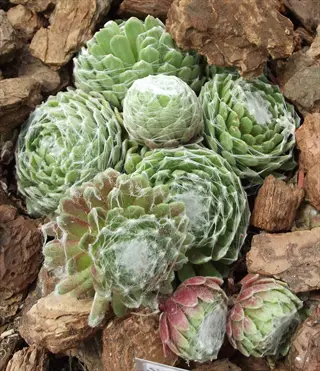
Cobweb Houseleek
- Botanical name: Sempervivum arachnoideum, distinguished by fine silvery webbing connecting leaf tips.
- Rosette size: Compact rosettes measuring 1 to 2 inches (2.5 to 5 cm) across at maturity.
- Color: Bright green base with white cobweb-like filaments and pinkish-red blush in sun.
- Hardiness: Tolerates USDA Zones 5 through 8, surviving down to -29 degrees Celsius (-20 Fahrenheit).
- Light needs: Full sun maximizes web density and brings out pink blushing on leaf tips.
- Best use: Stunning in alpine troughs, miniature gardens, and crevice plantings between stones.
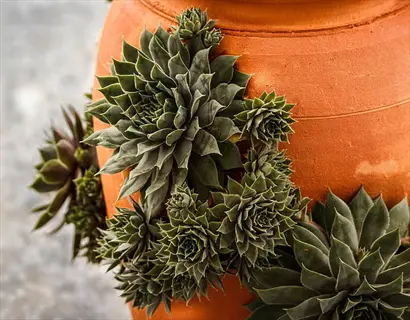
Ruby Heart Sempervivum
- Botanical name: Sempervivum 'Ruby Heart', prized for its dramatic two-tone coloring.
- Rosette size: Medium rosettes reaching 3 to 4 inches (7.6 to 10 cm) at full maturity.
- Color: Deep ruby red center fading into apple green outer leaves through the seasons.
- Hardiness: Reliably winter hardy across USDA Zones 3 through 8 with snow cover.
- Light needs: Full sun intensifies the ruby coloration during cool spring and fall weather.
- Best use: Eye-catching focal points in container arrangements and rock garden compositions.
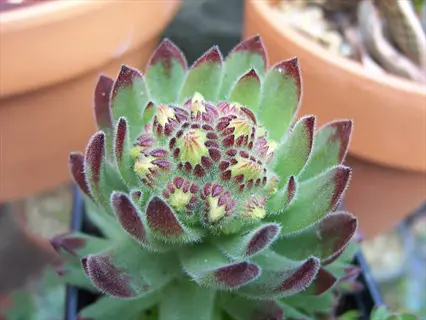
Royanum Houseleek
- Botanical name: Sempervivum 'Royanum', one of the largest and most vigorous cultivars available.
- Rosette size: Impressive rosettes reaching 5 to 6 inches (12.7 to 15 cm) across.
- Color: Bright green leaves with sharply defined mahogany brown tips year-round.
- Hardiness: Cold hardy across USDA Zones 4 through 8, handling -35 degrees Celsius winters.
- Light needs: Full sun deepens tip coloration and encourages prolific chick production.
- Best use: Ideal for filling larger garden gaps, ground cover plantings, and bold mass displays.
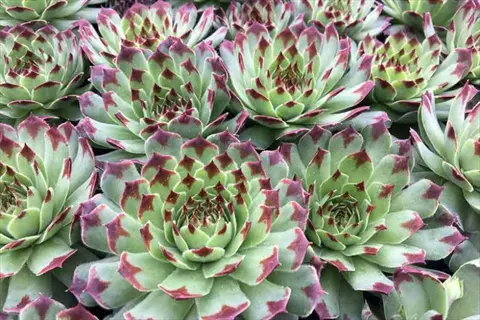
Mrs. Giuseppi
- Botanical name: Sempervivum 'Mrs. Giuseppi', a vintage cultivar with classic charm.
- Rosette size: Medium rosettes spreading 3 to 5 inches (7.6 to 12.7 cm) wide.
- Color: Deep maroon red leaves with bright lime green leaf tips creating striking contrast.
- Hardiness: Performs well in USDA Zones 4 through 8 with consistent winter survival.
- Light needs: Direct full sunlight produces the most intense maroon and green color contrast.
- Best use: Showpiece plantings in wide bowls, hypertufa troughs, and stone container gardens.
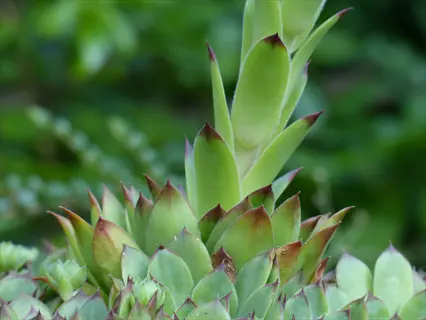
Sunset Sempervivum
- Botanical name: Sempervivum 'Sunset', celebrated for warm seasonal color shifts.
- Rosette size: Medium rosettes about 3 to 4 inches (7.6 to 10 cm) across.
- Color: Orange and red tones in cool weather transitioning to coppery green in summer heat.
- Hardiness: Cold tolerant across USDA Zones 4 through 8 with reliable spring regrowth.
- Light needs: Bright sun and cool temperatures together produce the most vivid sunset colors.
- Best use: Stunning in fall container arrangements paired with ornamental grasses and gravel mulch.
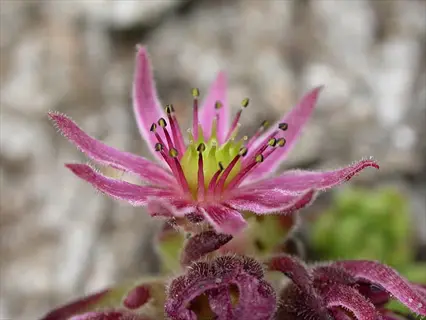
Purple Haze
- Botanical name: Sempervivum 'Purple Haze', a modern cultivar with mysterious dark tones.
- Rosette size: Compact rosettes measuring 2 to 3 inches (5 to 7.6 cm) across.
- Color: Deep purple to almost black leaves with subtle silvery overlay across the surface.
- Hardiness: Winter hardy in USDA Zones 4 through 8, holding color through cold weather.
- Light needs: Full direct sun is essential to maintain the darkest purple-black pigmentation.
- Best use: Gothic-style plantings, mixed succulent bowls, and dramatic dark accent groupings.
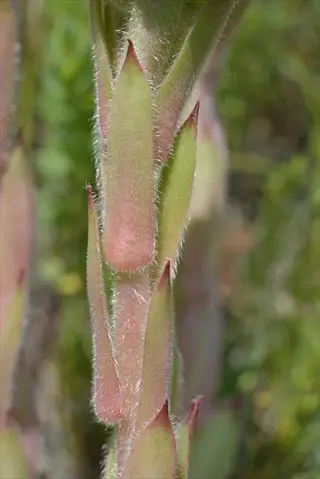
Blood Tip Sempervivum
- Botanical name: Sempervivum 'Blood Tip', named for its vivid red leaf tips.
- Rosette size: Medium rosettes growing 3 to 4 inches (7.6 to 10 cm) wide.
- Color: Bright green base leaves topped with sharp blood-red tips on each leaf point.
- Hardiness: Reliable across USDA Zones 4 through 8 with strong cold weather performance.
- Light needs: Full sun and cool spring temperatures intensify the red tip coloration dramatically.
- Best use: Vibrant additions to spring container plantings, rockeries, and low border edges.
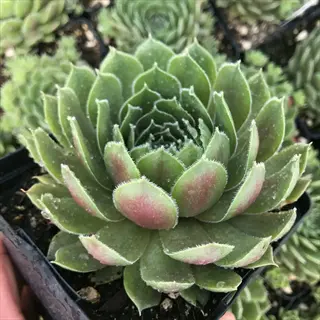
Watermelon Ripple
- Botanical name: Sempervivum 'Watermelon Ripple', a unique variety with watermelon-like coloring.
- Rosette size: Medium rosettes about 3 to 5 inches (7.6 to 12.7 cm) across.
- Color: Pink and green ripple patterns reminiscent of watermelon flesh across the leaves.
- Hardiness: Cold hardy in USDA Zones 4 through 8 with excellent winter color retention.
- Light needs: Bright sun brings out the pink rippled tones throughout the growing season.
- Best use: Conversation-starter plants in mixed container compositions and dish gardens.
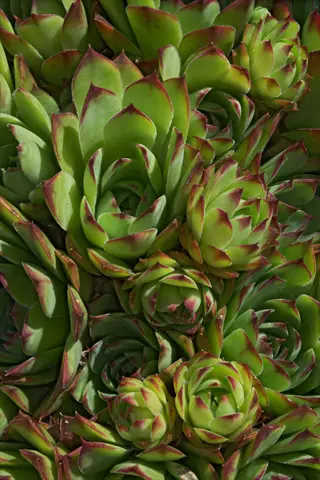
Greenii Houseleek
- Botanical name: Sempervivum 'Greenii', a classic green selection with clean lines.
- Rosette size: Medium rosettes reaching 3 to 4 inches (7.6 to 10 cm) at maturity.
- Color: Pure bright green leaves with crisp pointed tips and minimal seasonal color shifts.
- Hardiness: Extremely cold tolerant across USDA Zones 3 through 8 with snow protection.
- Light needs: Tolerates full sun to part shade, maintaining green color in both conditions.
- Best use: Classic ground cover plantings, traditional rock gardens, and woodland edge plantings.
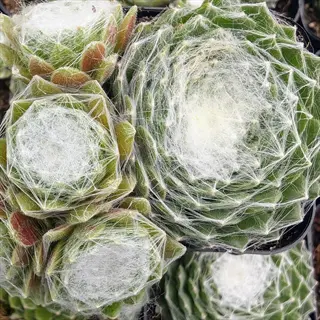
Cebenese Sempervivum
- Botanical name: Sempervivum 'Cebenese', a French alpine variety with refined elegance.
- Rosette size: Smaller rosettes measuring 2 to 3 inches (5 to 7.6 cm) across.
- Color: Light green leaves with delicate purple-pink leaf tips during cool seasons.
- Hardiness: Excellent in USDA Zones 4 through 8 with strong alpine origin durability.
- Light needs: Full sun maximizes pink tip coloration and prevents leggy growth habits.
- Best use: Refined miniature alpine plantings, fairy gardens, and small container compositions.
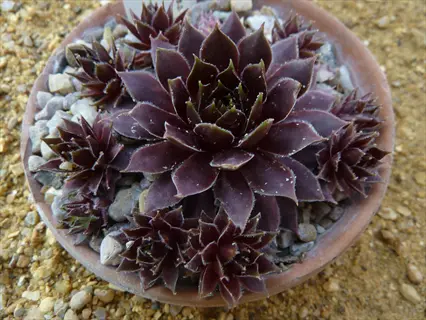
Black Sempervivum
- Botanical name: Sempervivum 'Black', a striking ultra-dark cultivar in high demand.
- Rosette size: Compact rosettes about 2 to 3 inches (5 to 7.6 cm) across.
- Color: Deep blackish-purple leaves with bright green centers creating bold contrast.
- Hardiness: Hardy in USDA Zones 4 through 8 with excellent winter color persistence.
- Light needs: Direct full sun produces the darkest black coloration year-round.
- Best use: Dramatic gothic gardens, modern minimalist containers, and contrast plantings against pale stone.
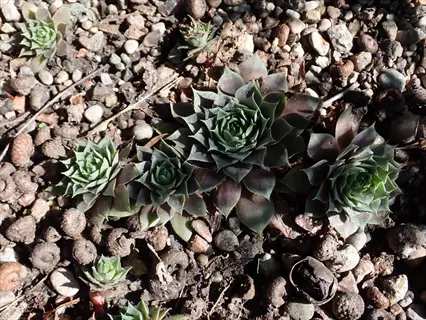
Pacific Blue Ice
- Botanical name: Sempervivum 'Pacific Blue Ice', a frosty silver-blue selection.
- Rosette size: Medium rosettes growing 3 to 5 inches (7.6 to 12.7 cm) wide.
- Color: Silvery blue-gray leaves with a frosted appearance and pale lavender tips.
- Hardiness: Cold hardy across USDA Zones 4 through 8 with attractive winter color.
- Light needs: Full sun enhances the silvery frost on leaves and keeps rosettes compact.
- Best use: Cool-toned color schemes, blue and silver themed gardens, and pale stone containers.
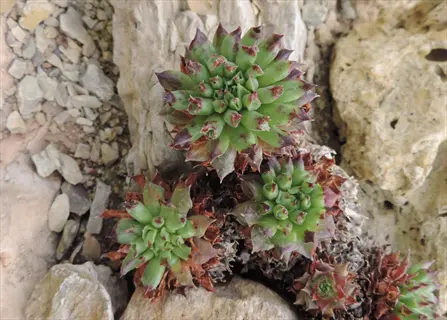
Oddity Sempervivum
- Botanical name: Sempervivum 'Oddity', an unusual cultivar with tubular leaves.
- Rosette size: Medium rosettes about 3 to 4 inches (7.6 to 10 cm) across.
- Color: Bright green tubular leaves with reddish-brown tips, almost coral-like in form.
- Hardiness: Reliable in USDA Zones 4 through 8 with consistent quirky leaf shapes.
- Light needs: Full sun maintains the unique tubular leaf form and tip coloration.
- Best use: Collector specimens, unusual succulent displays, and texture-focused container plantings.

Pekinese Sempervivum
- Botanical name: Sempervivum 'Pekinese', a fuzzy cobweb-type with character.
- Rosette size: Compact rosettes measuring 1.5 to 2.5 inches (3.8 to 6.3 cm) wide.
- Color: Green leaves heavily covered with white webbing, blushing pink in cool weather.
- Hardiness: Cold hardy across USDA Zones 5 through 8 with snow protection benefits.
- Light needs: Full sun encourages the densest webbing and most vibrant pink blush tones.
- Best use: Alpine troughs, fairy gardens, and unique additions to miniature succulent displays.
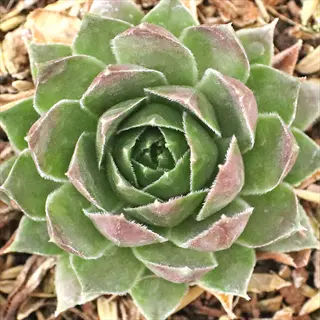
Hopewell Sempervivum
- Botanical name: Sempervivum 'Hopewell', a vigorous and rapidly spreading variety.
- Rosette size: Larger rosettes reaching 4 to 6 inches (10 to 15 cm) wide.
- Color: Olive green leaves with rich rosy red centers that deepen during cool weather.
- Hardiness: Excellent winter performance in USDA Zones 4 through 8 with snow cover.
- Light needs: Full sun deepens the rosy center color and encourages abundant chick production.
- Best use: Ground cover plantings, slope stabilization, and quickly filling rock garden gaps.
My top pick for a first time grower is Royanum for its size and strong color. If you want a bold show, mix the dark Purple Haze with bright Blood Tip for a stark visual punch. Specialist farms now stock over 100 named types as more folks join the hobby each year. Start with 3 to 5 picks and watch your colony grow.
Plant Identity and History
The plant you grow as Sempervivum tectorum has been with us for thousands of years. Its old folk name is houseleek, and it sits in the Crassulaceae plant group with sedum and jade. The Latin name Sempervivum means "always living" since your colony lives on even when the mother dies.
Long ago in old Europe, folks laid these plants on the thatch and tile roofs of their homes. UW Madison notes that they thought the plant could stop bolts of lightning from setting the house on fire. King Charlemagne made a law that told farmers to grow it on every roof. You can still spot these green crowns on old stone cottages if you travel through France or Wales.
Folk healers also used the houseleek for sore ears and burned skin for many years. In my garden, I have grown this plant since the early 1990s, and I learned about its old uses from my grandma. A 2023 study found the plant has kaempferol and quercetin in its sap. These plant acids fight germs and calm swelling in your skin. The field of ethnopharmacology keeps finding new value in these old plant cures.
Your mother plant is monocarpic, which means she dies once she sends up her tall flower stalk. But her chicks live on and make more chicks for your bed each year. NC State lists the plant as low risk to your pets and kids. The sap can sting your skin a bit if you have sore spots, so wash your hands after you split your plants.
Light, Soil and Climate Needs
Think of their native alpine homes for a moment to grasp what these plants want from you. They grow on rocky slopes with morning sun, lean soil, and well-draining soil that never holds water for long. When I copy these wild spots in my own beds, my plants thrive with almost no fuss from me.
NC State Extension says your plants need 6 or more hours of full sun each day to stay tight and bright. Your soil should hit a soil pH of 6.0 to 8.0 with about 50% sandy soil content. In hot USDA Zones 7 to 8, give your plants partial shade in the hot part of the day. These drought tolerant plants have made my garden much easier through the dry years since 2020. Use the gritty mix recipe below to set up your bed for years.
Sunlight Exposure
- Direct sun: Provide at least 6 hours of direct sunlight per day for compact rosette growth.
- Afternoon shade: In USDA Zones 7-8 or hot southern climates, light afternoon shade prevents leaf scorch.
- Indoor light: South-facing windows offer the closest match to outdoor full sun conditions.
- Color development: Brighter light intensifies red, purple, and blue pigments in colorful cultivars.
- Etiolation signs: Insufficient light causes elongated stretched rosettes that lose their compact shape.
Soil Composition Recipe
- Base mix: Combine 50% gritty material such as coarse sand, pumice, or fine gravel for drainage.
- Organic content: Add 30% standard potting soil to provide minimal organic matter and structure.
- Aeration: Include 20% perlite to maintain air pockets and prevent soil compaction over time.
- pH range: Target a pH between 6.0 and 8.0, matching the neutral range S. tectorum prefers.
- Drainage test: Water should drain through the mix within 30 seconds when poured through a container.
Climate and Hardiness
- Cold tolerance: Most cultivars survive USDA Zones 3-8, handling temperatures down to -35 degrees Celsius (-31 Fahrenheit).
- Heat sensitivity: Performance declines above USDA Zone 8 due to high humidity and prolonged warm nights.
- Winter dormancy: Plants go semi-dormant below 10 degrees Celsius (50 Fahrenheit) and resume growth in spring.
- Snow protection: A consistent snow blanket actually insulates rosettes from temperature swings and drying winds.
- Temperature range: Active growth occurs between 18 and 24 degrees Celsius (65 to 75 Fahrenheit).
Planting Location Tips
- Slopes: Sloped sites naturally provide excellent drainage and reduce risk of water pooling around roots.
- Rock walls: Crevices between stones mimic native alpine habitat and protect rosettes from harsh weather.
- Raised beds: Elevated planting improves drainage in heavy clay soils common in temperate climates.
- Containers: Choose wide low pots with multiple drainage holes; 8 inches (20 cm) depth is enough.
- Spacing: Set rosettes 12 to 18 inches (30 to 46 cm) apart to allow room for chick formation.
Get the spot right the first time and your plants will thank you for years. I tested 4 soil blends in my own beds, and the 50% grit mix above wins every time for tight rosettes. Skip the rich compost since it just leads to soft leaky growth that rots fast in cold rain.
Watering and Seasonal Care
If you want to kill your plants fast, just water them too much. NC State and UW Madison both name overwatering as the top reason new growers lose their plants. The cure is simple: let the soil dry out fully between drinks. I burned through 6 plants in my first year before I learned this hard truth.
Before you grab the hose, check the soil with your finger an inch deep, just like you test a cake with a toothpick. Dry soil means go ahead and water; damp soil means wait a few more days. These drought tolerant plants store water in their thick leaves, so they can sit dry much longer than you think.
The chart below maps out watering hens and chicks through each season of the year. In spring and fall, give a slow drink every 10 to 14 days for healthy seasonal care. Summer needs a bit more in the heat, while winter care asks for almost no water at all.
In the cold months, leave your outdoor plants in the ground and let the snow blanket them. That white cover acts as the best insulator you can find. Avoid heavy mulch right on top of the rosettes since it traps wet that leads to crown rot. During dormancy, your plants slow way down and need almost nothing from you.
For potted plants, push them against a wall on the south side of your home for a warm spot. I learned the hard way after losing a whole rack of pots in a wet fall. Now I tip my pots on their side once heavy rains hit so the water drains out fast.
Propagation and Spreading
To propagate hens and chicks, you only need a sharp knife and a steady hand. The plant does all the hard work for you each spring and fall on its own. NC State notes that the offsets, called pups or chicks, form on short stolons that snap off with ease.
Think of these chicks like baby ducks leaving the nest, ready to head out when they can stand on their own roots. I tested my first division in 1994 with a kitchen knife and three small pups from my grandma's bed. Each one grew into a full plant within just one short season.
Identify Ready Offsets
- Timing: Look for chicks during late spring through early fall when plants are actively growing.
- Size check: Wait until chicks reach at least 1 inch (2.5 cm) across before separating from mother.
- Root inspection: Gently lift a chick to check for white root threads on its underside.
- Stolon condition: The runner connecting chick to hen should appear slightly dry or papery when ready.
- Color cue: Healthy ready chicks display vibrant color matching the mother plant's mature coloration.
Separate the Chicks
- Tool prep: Use a clean sharp knife or pruning shears sterilized with rubbing alcohol before use.
- Cut location: Sever the stolon connecting chick to hen, leaving a small stub on the chick.
- Gentle handling: Twist softly while pulling to release rather than yanking which damages roots.
- Callus time: Allow cut surfaces to dry for 24 to 48 hours before planting in soil.
- Safety note: Wear gloves if you have sensitive skin since cell sap may cause contact dermatitis.
Plant the Offsets
- Soil prep: Fill containers with the same gritty mix recipe used for established hen and chicks plants.
- Planting depth: Set chicks so the rosette base sits just above soil level, not buried in soil.
- Pressing firm: Lightly press soil around roots to ensure good contact without compacting heavily.
- Initial watering: Wait 3 to 5 days after planting before the first light watering to prevent rot.
- Light start: Place new plants in bright indirect light for one week before moving to full sun.
Encourage New Growth
- Patience period: New chicks may not produce their own offsets until their second growing season.
- Spacing matters: Plant separated chicks 6 to 12 inches (15 to 30 cm) apart to allow expansion.
- Avoid fertilizer: Skip feeding for the first 2 months while roots establish in new soil.
- Water sparingly: Resume normal watering schedule once you see active new leaf growth emerging.
- Monitor health: Watch for crown rot signs and adjust care quickly during the establishment phase.
Late spring is my favorite time for mother plant separation since the soil warms up but the heat has not hit yet. Plan for transplanting during cool mornings when the roots can settle without stress. Once you split your first cluster, you will hand off baby plants to friends each year and never run out.
Troubleshooting Common Problems
Each symptom your plant shows tells a story about what it went through in the past weeks. Play the part of a plant detective and read the clues to fix the cause. NC State reports that crown rot from too much water is the top reason these plants fail in home beds.
Mushy leaves and a soft brown base point to root rot from soggy soil. Elongated rosettes and leggy growth mean etiolation from too little sun. Brown tips can mean sunburn or a long dry spell. Bugs like mealybugs and aphids also show up at times, but they are easy to treat with a swab of rubbing alcohol.
I have seen extension office calls about plant troubles jump up since 2020 as more folks took up the hobby. In my own beds, I learned that most issues trace back to soil that holds too much water. Fix your drainage and your plants will bounce back in a few weeks.
Design Ideas and Companion Plants
Your colonies form living mosaics like nature's glass art spread across rocks and crevices. UW Madison shows great success with these plants in cold winters in rock garden beds, terrariums, and old pots. In my own beds, I have seen xeriscaping trends boost the love for these tough plants since 2022.
I have built dozens of small container gardening projects with these plants over the years. Old tea cups, hypertufa troughs, leaky boots, and even bird baths all work as fun homes. Pair your plants with the right companion plants below to round out your bed.
Rock Garden Mosaics
- Layout strategy: Plant in drifts of 3 to 5 rosettes between natural stones for organic colony patterns.
- Color contrast: Pair red cultivars like Ruby Heart with silvery cobweb varieties for dynamic visual interest.
- Stone selection: Use limestone, sandstone, or fieldstone that complements your home's exterior materials.
- Slope advantage: Rock gardens on slopes provide natural drainage and showcase rosettes at viewing height.
- Maintenance ease: Once established, rock garden plantings need minimal weeding and watering for years.
Container and Trough Gardens
- Vessel options: Try wide terra cotta bowls, hypertufa troughs, tea cups, old shoes, or repurposed colanders.
- Drainage essential: Drill multiple holes if the container lacks them, since standing water kills rosettes quickly.
- Topdressing: Cover soil surface with fine gravel or decorative stone for visual appeal and weed suppression.
- Mixed plantings: Combine 3 or 4 cultivars with contrasting colors and textures for stunning compositions.
- Portability bonus: Containers let you move displays to protected spots during extreme weather events.
Living Walls and Wreaths
- Wreath base: Start with a sphagnum moss-filled wire form for living wreaths that last multiple years.
- Wall mounts: Vertical succulent panels can hold dozens of rosettes in geometric or organic patterns.
- Establishment: Allow 4 to 6 weeks horizontal for roots to anchor before hanging vertical displays.
- Watering technique: Lay wreaths flat to water thoroughly, then drain fully before rehanging.
- Seasonal display: Move wreaths indoors during harsh winters in Zones 5 and colder for protection.
Companion Plant Pairings
- Drought partners: Plant alongside sedum, ice plant, and creeping thyme for unified low-water designs.
- Perennial contrast: Tall coneflowers, yarrow, and goldenrod add height behind low spreading rosettes.
- Texture mix: Combine with ornamental grasses like blue fescue for fine textural contrast.
- Bloom timing: Pair with early spring bulbs like crocus that finish before Sempervivum reaches peak.
- Pollinator boost: Add lavender or catmint nearby to attract bees and butterflies to the area.
My top living wreath has lasted 5 years on the front door of my home. As a ground cover, these plants beat any moss or grass since they need no mow and no spray. Start with one bowl or wreath this month and let your colony grow.
5 Common Myths
Hens and chicks plants need frequent watering like other houseplants to stay healthy and lush.
These succulents store water in their leaves and thrive on neglect, requiring water only every 10 to 14 days.
The mother rosette flowering means the entire plant colony is dying and will not recover.
Only the flowering mother dies after blooming, but its chicks continue growing and producing new generations.
Hens and chicks cannot survive freezing winter temperatures and must be brought indoors each fall.
Most varieties tolerate temperatures as low as -35 degrees Celsius and benefit from snow cover insulation.
All succulents including hens and chicks need rich fertilized potting soil to produce healthy growth.
These plants prefer lean gritty soil with low fertility, and rich soils actually cause weak elongated rosettes.
Hens and chicks plants are highly toxic to pets and children and should be avoided in homes.
NC State Extension lists them as low toxicity, though cell sap may cause minor contact dermatitis in sensitive individuals.
Conclusion
The hen and chicks plant stands as one of the best picks for both new and old hands at the trowel. This cold-hardy succulent grows across USDA Zones 3 to 8 and the Sempervivum can take winter and summer with ease. Low water needs and quick chick splits make it a true low-maintenance wonder for your beds.
When I first planted my own bed in 1994, I bought just 3 little chicks from a small farm stand. In my experience, these plants thrive on stone walls and roof tiles with no help at all from you. From the medieval roofs of Europe where folks thought they kept bolts of lightning at bay, to your modern xeriscape yard, these plants have stood the test of time. The drought-tolerant roots fit so well with the dry, hot trends in gardens today.
Set them in the right spot with full sun and gritty soil, and they will need almost nothing from you for years on end. In my garden, my oldest perennial patch has spread from 3 small chicks to a 4 foot mat in just 6 years. That is the kind of slow joy that brings me back to my beds each spring with a smile.
Start with just 3 cultivars this season and watch your colony grow into a stunning living mosaic over the years. Pick one bold red, one silvery green, and one dark purple type for the best mix of color. Your garden will thank you, your wallet will thank you, and your chicks will keep coming for as long as you care to grow them.
External Sources
Frequently Asked Questions
Do hens and chicks need sun or shade?
Hens and chicks need full sun, at least 6 hours of direct sunlight, though afternoon shade helps in hot climates.
How do you take care of hen and chick plants?
Care includes:
- Plant in gritty well-draining soil
- Provide 6 or more hours of direct sun
- Water deeply only when soil is dry
- Remove flowering mother rosettes
- Separate offsets to control spread
Can hens and chicks survive winter?
Yes, most varieties survive winter down to USDA Zone 3, tolerating temperatures as low as -35 degrees Celsius.
Where is the best place to plant hens and chicks?
Best locations are:
- Rock gardens with gritty soil
- Sunny container arrangements
- Stone walls and crevices
- Xeriscape beds with full sun
- Slopes with excellent drainage
Do hens and chicks do well in pots?
Yes, they thrive in shallow pots with drainage holes filled with cactus mix and placed in full sun.
How often should hens and chicks be watered?
Water about once every 10 to 14 days during growing season, allowing soil to dry completely between waterings.
What to do with chicken and hen plants in the winter?
Winter care tips:
- Leave outdoor plants in ground for snow insulation
- Stop watering once temperatures drop
- Move potted plants against a wall
- Avoid mulching directly over rosettes
- Remove fallen leaves to prevent rot
What does an overwatered hen and chick look like?
Overwatered plants show mushy translucent leaves, blackening at the crown, yellow lower foliage, and a soft collapsing rosette.
How fast do hens and chicks spread?
Each mother rosette produces 4 to 8 chicks per season, forming a dense mat in 2 to 3 years.
Can you grow hens and chicks indoors?
Yes, but they need a bright south-facing window with at least 6 hours of direct sun and a cool dormancy period.