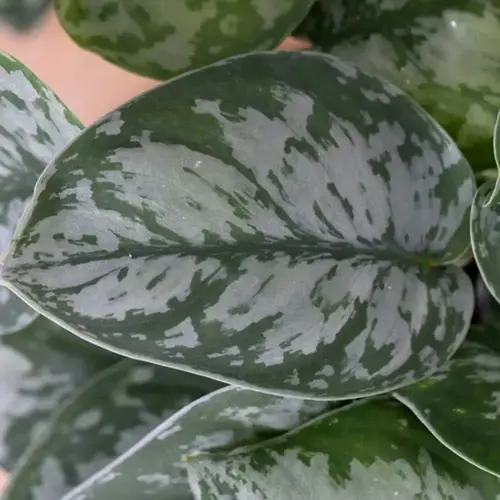

Good syngonium care comes down to a short routine. Give it bright light with no direct sun. Water only when the top inch or two of soil dries out. Plant it in a chunky mix that drains fast. Keep it warm and humid, and feed it through spring and summer. Nail those few things, and your plant mostly takes care of itself.
Almost every problem you will run into traces back to just two things. Too much water rots the roots. Too little light leaves the plant leggy and pale. Get those two right and you have solved most of what can go wrong. The rest of arrowhead plant care is small stuff you can fix as you go.
Start with light. Your syngonium wants bright indirect light, the kind you get a few feet back from an east or north window. Direct sun is the one thing to avoid, since hot rays bleach and scorch the leaves. Give it too little light and the new growth stretches out and turns pale. The plant will live in a dim corner, but it grows slow and loses its color there. A bright spot keeps the leaves full and well marked. If you have a pink, white, or heavily variegated variety, give it a bit more light than a solid green one. Most growers find the lighter leaves need that extra brightness to hold their pattern.
Water next, and this is where most people slip. Wait until the top 1 to 2 inches (2.5 to 5 cm) of soil feel dry. Then water until it runs out the bottom of the pot. Dump whatever collects in the saucer so the roots never sit in it. From fall through late winter your plant rests, so cut back and let it dry a bit more between drinks. Soggy soil in winter is the fastest way to kill one.
Soil and feeding go together. Use a loose, well-draining mix with bark and perlite worked in. That way water moves through fast and never sits around the roots. Aim for a slightly acidic mix, around pH 5.5 to 6.5, which is the range commercial growers target. Feed your plant only during the spring and summer growth months. A balanced houseplant fertilizer at half strength works well. Skip feeding in fall and winter, when the plant is not pushing new leaves and cannot use it.
Warmth and humidity round out your syngonium care. Keep the plant between about 65 and 80°F (18 to 27°C). Keep it away from cold drafts and the hot blast of a heating vent. It comes from the tropics, so it likes humid air. A pebble tray under the pot helps a lot. A nearby humidifier or a cluster of other plants works too. Once it settles in, it handles normal room humidity just fine. A warm, steady spot also helps the plant push out new leaves faster through the growing season.
One more thing worth knowing before you set it down. A syngonium is toxic if chewed, because the sap holds calcium oxalate crystals. Those crystals can irritate the mouth and cause drooling or vomiting in cats and dogs, and they can sting your skin too. None of this makes the plant hard to keep. It just means you put it somewhere a curious pet or small child cannot reach, and you wash your hands after pruning.
Do: bright indirect light, water when the top inch or two dries, a chunky fast-draining mix, warm humid air, and feeding in spring and summer. Avoid: direct sun, soggy soil, winter feeding, and cold drafts. One safety note, the sap holds calcium oxalate crystals and is toxic, so keep your plant out of reach of cats, dogs, and kids.
Follow that rhythm and your arrowhead plant becomes one of the easiest houseplants you can keep. Check the soil with your finger before each watering. Give it a steady spot with good light. Let the seasons set your watering and feeding pace. The plant will pay back a little consistency with steady new growth all year.
Read the full article: Syngonium Plant Care Guide for Beginners