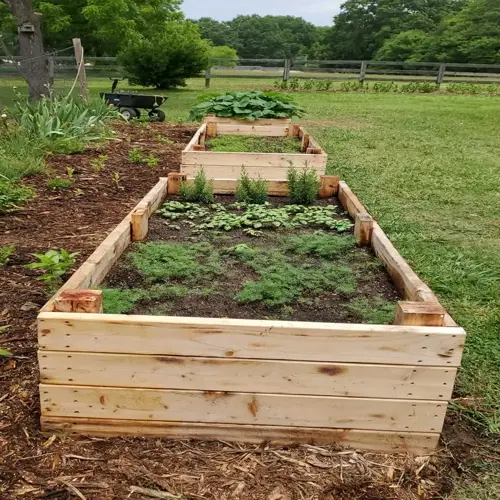

You build a no-till garden bed by laying cardboard on the ground, then piling 4 to 6 inches (10 to 15 cm) of compost on top, then capping it with the same depth of mulch. You can do the whole thing straight over an existing lawn in an afternoon, and you never lift a shovel. This method is called sheet mulching, and it skips digging because you stack soil up instead of turning it over.
Pick your spot first, somewhere that gets at least six hours of sun for most vegetables. Mow the grass short and water the area so the ground underneath stays damp while the bed settles. Knock down any tall weeds and pull out woody stems, but leave the roots and the short grass in place. They rot and feed the soil. Then work through the layers in order, since each one does a different job for the ground below.
Cover the grass with 5 to 10 sheets of overlapping newspaper or one to two layers of plain cardboard. Overlap the edges by a few inches so no light gets through to the weeds.
Spread a 4 to 6 inch (10 to 15 cm) compost layer right on top of the cardboard. This is the soil you plant into, so use finished, crumbly compost here.
Cover the compost with 4 to 6 inches (10 to 15 cm) of wood chips, straw, or shredded leaves. Pull this mulch back a little when you plant so seeds reach the compost.
Soak the whole bed until water reaches the cardboard. Water daily for the first week, then drop to every 3 to 5 days as the layers knit together.
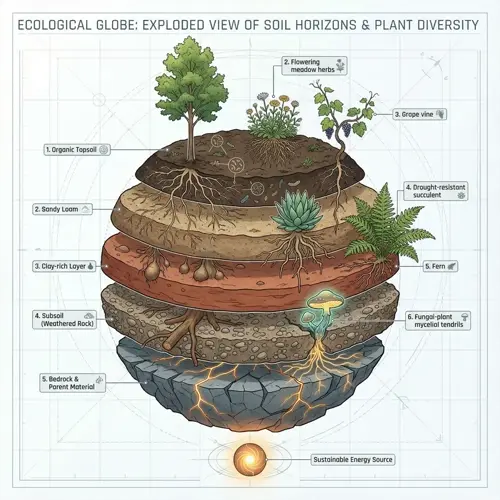
Each layer earns its place. The cardboard blocks all light to the grass and weeds below, so they die off and rot into food for earthworms. Use plain brown cardboard and peel off any plastic tape or glossy labels first, since those will not break down. The compost layer feeds the soil life and roots, and it is the spot where your plants actually grow. Worms move up from the dying grass into this compost and pull the layers together for you. The mulch on top locks in moisture, keeps the bed cool, and shades out any new weed seeds that try to sprout.
Do not skimp on depth. A thin compost layer dries out fast and leaves roots with nowhere to spread, so stick with the full 4 to 6 inches. The mulch needs the same depth to block sunlight from weed seeds. Wet the cardboard well before you add anything, because dry cardboard repels water and your no-till garden bed will struggle to soak through.
Timing trips up a lot of people. A fresh no-till garden bed made of clean compost and mulch is ready to plant the same day you build it, since the roots sit in finished compost from the start. But if you are smothering tough turf like Bermuda grass, you need the cardboard or a tarp in place for several months before you plant. That grass will punch right through a few weeks of cover, so give it a full season to die out.
Build your bed in fall if you can. The layers break down over winter and you get rich, settled soil by spring with almost no work. If you start in spring instead, plant into the compost right away and let the cardboard finish rotting under your crops. Either way works, so do not wait for the perfect month.
Keep adding mulch each year as the old layer rots down, and your bed only gets better. Top up with an inch or two of fresh compost every spring to replace what the plants used. Skip the rototiller for good. The soil structure underneath stays intact, the worm tunnels stay open, and water soaks straight down instead of running off. That untouched ground is the whole reason a no-dig bed beats a tilled one over time.
Read the full article: No Till Gardening: A Complete Guide