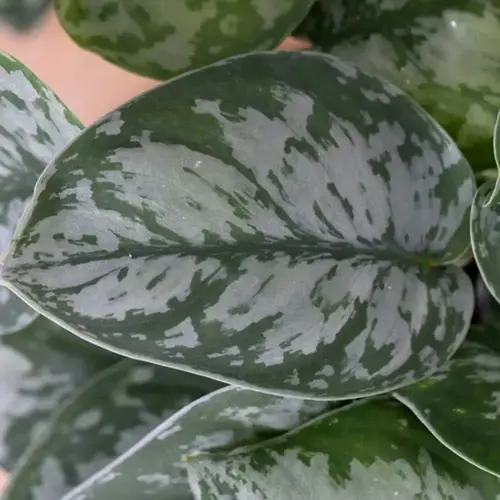

A syngonium rarely dies of old age. It almost always dies from too much water. That single fact shapes the whole syngonium lifespan question, because your plant has no fixed clock running down. With steady care you can keep one going for many years, often a decade or more, and the parent plant lives on through its own cuttings long after that. So the honest answer is not a set number. It is as long as you keep the roots healthy.
Think of lifespan here as a care question, not an age limit. If you forget your syngonium for a month and let it sit wet, it can rot in a few weeks. If you treat it well, it will outlast most of the furniture in your room. The number you get depends on what you do, not on the calendar. That is good news, because it means you have real control over how long your plant lives.
The biology backs this up. Your syngonium is a tropical perennial vine from the forests of Central and South America. It keeps growing as long as you give it warmth, light, and steady moisture, so there is no built-in point where it stops. In its native home it would climb a tree trunk and stretch for years. Outdoors it stays alive year-round only in USDA zones 10 to 12, where frost never hits. In any colder zone you grow it as a houseplant. Those mild conditions are easy for you to copy on a shelf or windowsill.
Over the years your plant changes shape. It starts compact and bushy, then the stems stretch and trail as it matures. Some people read that stretching as a plant on its way out. It is not. A leggy, tired syngonium is not a dying one. It is just an older vine that needs a reset, and you can give it that reset in an afternoon.
This is where the plant beats almost any other for a long syngonium lifespan. You can renew with cuttings taken straight from the stem. Each leaf grows from a node, and a cutting with one or two nodes will root in water or moist soil within a few weeks. Pot those rooted pieces back together and you get a full, young-looking plant from the same genetics. The original stem may fade, but you keep its exact line going for many more years. In practice that means you never really lose the plant you started with.
Let the top inch of soil dry before you water again. Soggy roots are the number one killer of an otherwise healthy syngonium.
To stretch the years, start at the roots. Use a pot with drainage holes and a loose, airy mix so water runs through fast. Soggy soil leads straight to root rot, the fastest way for you to lose a plant that could have thrived for ages. Water only when the top inch feels dry, and empty the saucer so the roots never sit in a puddle. When in doubt, wait a day. A thirsty syngonium bounces back fast, but a drowned one often does not.
Repot every one to two years to give the roots fresh room and new mix, and you will see a burst of new growth each time. Prune the long, bare stems each spring, then root the trimmings so your plant stays full instead of stringy. Keep it warm too. Cold below 55°F (13°C) stresses the leaves and can kill the plant outright, so move it away from drafty windows and chilly porches in winter. Do these few simple things and your syngonium will not just survive. It will keep handing you new plants for as long as you want them around.
Read the full article: Syngonium Plant Care Guide for Beginners