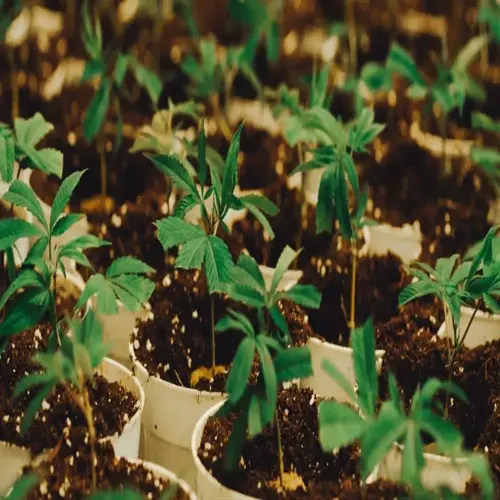

The full clay soil amendment time runs about two to three years, but you do not have to wait that long to see progress. You will feel the surface soften within one season as the first round of organic matter starts to work. The real change is a slow, multi-year build, so plan for steady gains instead of an overnight fix. Clay rewards patience, and the ground keeps getting better the longer you stick with the plan.
When people ask how long to improve clay soil, they often expect a single dramatic dig to fix everything. It does not work that way. Clay particles are tiny and pack tight together. You loosen them by raising the organic matter year after year, not by one big effort. A single deep till might feel good for a month, but the clay settles back into a dense block once the rain returns. Lasting change comes from feeding the soil, not just turning it.
The reason it takes so long comes down to how organic matter behaves in the ground. Compost, leaf mold, and aged manure break down over time, so you have to reapply two to three inches every year to keep building. As that material rots, it feeds earthworms and soil microbes that glue particles into crumbs. Those crumbs open up air pockets and drainage channels that clay cannot make on its own. Stop the yearly feeding and that whole living engine slows right down.
Water holding climbs along the same slow curve. Most heavy clay starts with low usable organic matter, and you want to push it toward 4% to 5% for soil that drains well yet still keeps moisture for roots. That number rises a little each season, which is why the drainage problems ease step by step instead of all at once. Every bit of organic matter you add lets the soil hold more water without turning to muck. So the gain you notice in spring is the sum of all the seasons before it.
Here is the realistic amending clay soil timeline so you know what to expect at each stage.
First season
The top few inches soften and feel easier to dig once your first layer of compost works in. Roots from new plants spread better, and a shovel slides in without a fight.
Year 1 to 2
Drainage improves in a clear way and the soil starts holding a real crumb structure. Water soaks in within minutes instead of pooling on the surface for hours after rain.
Year 2 to 3
The soil reaches a stable, improved state with steady 4% to 5% organic matter. It stays workable, drains well, and needs only a yearly top-up to hold the gains.
Each stage builds on the last, so skipping a year of amendment sets you back. The soil life you feed keeps the structure open, and that work stalls fast if the food supply stops. A bed you ignore for one season can lose much of the softness it gained the year before. Stay consistent and the heavy, sticky ground turns into something you can plant in with real confidence. Mulch on top helps too, since it breaks down slowly and shields the surface from packing rain.
There are a few things you can do to speed the build along. Stop walking on wet beds, because foot traffic crushes the air pockets you are trying to create. Keep the soil planted with cover crops or roots through the off season, since living roots loosen clay as they grow and feed the microbes below. Avoid tilling when the ground is soggy, as that smears the clay into a hard pan that water cannot pass through.
If you cannot wait two or three years, build a raised bed instead. Fill it with a quality mix of topsoil and compost and you get good growing soil in a single season. Many gardeners run both plans at once, planting in raised beds now while they slowly fix the native clay underneath for the long haul. That way you harvest this year and still end up with rich, deep ground a few seasons down the road.
Read the full article: Clay Soil Amendment: A Complete Guide