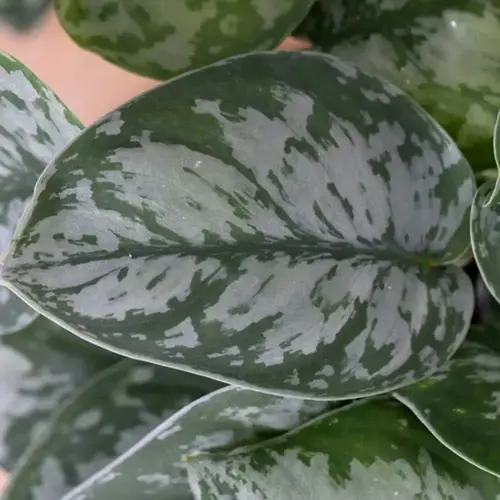

Water a syngonium when the top 1 to 2 inches (2.5 to 5 cm) of soil feel dry to your finger. There is no fixed day count for watering syngonium, because pot size, light, and the season all change how fast the soil dries out. Checking the soil beats counting days every time.
A plant in a small pot near a bright window might dry out in three days. The same plant in a big pot in a dim corner could stay damp for ten days or more. That is why the answer to how often to water syngonium always comes back to the soil itself, not a number on a calendar.
Push a finger into the soil up to your first knuckle. If it comes out clean and dry, it is time to water. If soil sticks to your skin or feels cool and damp, wait and check again in a day or two. This one habit fixes most problems people run into with this plant. A cheap wooden chopstick works the same way if you would rather keep your hands clean. Push it in, pull it out, and look for damp soil clinging to the wood.
Light drives the whole pace of watering syngonium. A plant in bright, indirect light grows faster and pulls water from the soil quicker, so you water more often. Move that same plant to a low-light corner and it slows right down. The soil there can stay wet for a week, which is exactly when root rot creeps in. So always read the soil for that specific spot rather than copying a friend's routine from a different room.
Season changes the pace a lot. In the warm growing months of spring and summer, your syngonium drinks fast and you may water once or twice a week. From fall to late winter, growth slows and the soil holds water much longer, so you water far less. Some people drop to once every two weeks in the cold months.
Your plant will tell you when the balance is off. Watch the leaves and stems for these clear signs before you change anything.
- Yellowing leaves that turn soft instead of crisp.
- Mushy stems at the base, often with a sour smell.
- Soil that stays wet for many days and never dries on top.
- Drooping leaves that perk back up after a drink.
- Crispy brown edges on the leaf tips.
- Soil pulling away from the side of the pot.
The overwatering signs matter most, since soggy roots are the top killer of this plant. Yellow, limp leaves and a mushy base mean roots are sitting in water and starting to rot. Drooping with dry soil is the opposite problem, and it is much easier to fix. A thirsty syngonium usually bounces back within hours of a good drink.
Technique matters as much as timing when you are watering syngonium. Water thoroughly each time. Pour slowly until water runs out the drainage holes at the bottom of the pot. This soaks every root and flushes out built-up salts. Then empty the saucer within thirty minutes so the pot never sits in standing water. A pot with no drainage hole makes this almost impossible, so repot into one that drains if yours does not. Use room-temperature water too, since very cold water can shock the roots and stall growth.
When in doubt, lean drier rather than wetter. A syngonium recovers fast from a short dry spell, but it rarely survives root rot from staying soggy.
Skip the strict schedule and let the soil guide you. Check the top inch or two, water deep when it is dry, and pull back in the cold months. Do that, and your syngonium will push out new leaves for years without the soggy roots that sink so many of these plants.
Read the full article: Syngonium Plant Care Guide for Beginners