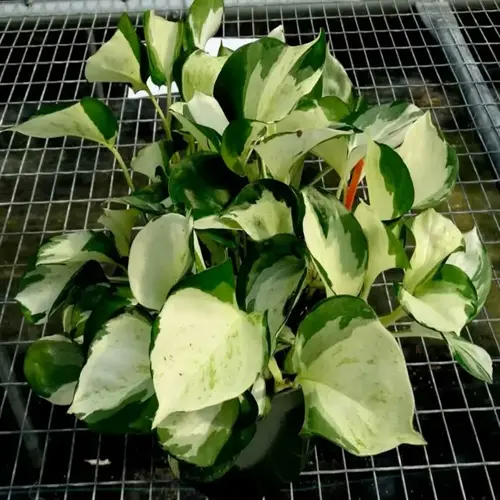

You should fertilize Rhaphidophora tetrasperma once a month through spring and summer, then stop in fall and winter. A well-fed plant in the warm months pushes out a steady run of new leaves. Look at an overfed one and the signs flip fast. The leaf edges turn brown and crispy from fertilizer burn, and growth stalls instead of speeding up.
The product matters as much as the timing. Reach for a balanced fertilizer. That means the three numbers on the label match, like a 20-20-20 blend. Even numbers feed leaf growth and root strength at once. Skip the heavy bloom formulas. This plant is grown for its split, glossy leaves, not for flowers.
The reason for the monthly rhythm comes down to how fast this plant grows. In spring and summer it burns through nutrients quickly, so it wants regular food to fuel those new vines. Come fall the days get shorter and the plant slows down. By winter it sits nearly dormant. Feeding a resting plant does no good, and the unused salts just build up in the soil and bother the roots.
Here is the growing season feeding schedule laid out by season so you can plan it at a glance.
Spring
Start monthly feeding once you spot fresh growth, using balanced fertilizer at half the label strength.
Summer
Keep feeding once a month while growth is strong and the plant pushes new leaves.
Fall
Cut back as growth slows, dropping to one light feeding or none at all.
Winter
Stop feeding while the plant rests, and water only as the soil dries.
Dilution is the rule that saves your plant from harm. Always mix to half the label strength, even during peak growth. Full strength sounds like more food, but it hits the roots hard and burns them. A weaker dose more often beats a strong dose now and then. The light feeding also keeps salts from piling up in the pot. If you ever doubt the amount, go weaker. A hungry plant bounces back fast, but burned roots take weeks to heal.
Two small habits protect the roots even more. Water first, then feed, so the soil is already damp when the fertilizer goes in. Dry roots soak up concentrated food and scorch. Moist roots take it in gently and spread it through the pot. This one step prevents most feeding burn you will ever see on this plant. Give the plant a normal drink, wait a few minutes, then pour in your diluted mix.
Plants in a soilless mix or moss pole setup need a slightly lighter touch. These mixes hold fewer natural nutrients, so feeding still matters, but they also drain fast and can wash food away. Stick with the same half-strength dose and the monthly rhythm. Just keep a closer eye on the leaves, since the signs of too much or too little show up sooner in an airy mix.
Every couple of months, flush the soil to clear out mineral salt buildup. Set the pot in the sink and run plain water through it for a minute or two. Let it drain freely from the bottom. This washes away leftover salts before they yellow the leaves. Watch for a white crust on the soil or pot rim. That crust is your sign to flush right away.
A few warning signs tell you to ease off the food. Brown, crispy leaf tips point to too much fertilizer or salt buildup. Pale new leaves with green veins can mean the plant wants a feeding instead. Slow growth in summer is another nudge to check your routine. Read the leaves and let them set your pace, since each plant grows at its own speed in its own spot.
Stick to monthly feeding from spring through summer. Halve every dose and pause once growth slows. Do that, and your plant keeps unrolling those split leaves season after season. You will not see a single burned edge.
Read the full article: Rhaphidophora Tetrasperma Care Guide