
Introduction
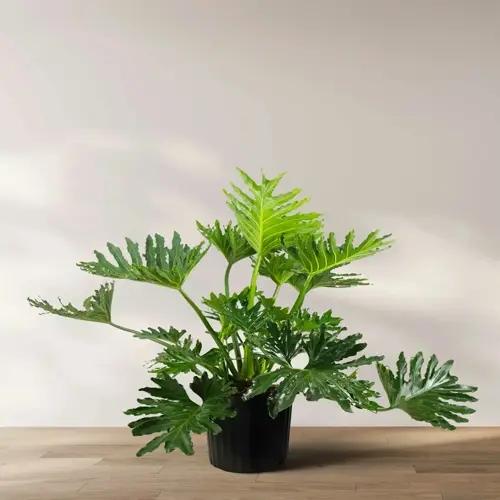
You bought a mini monstera at the store, but that pretty name hides a small lie. The plant in your pot is rhaphidophora tetrasperma. It is not a Monstera or a Philodendron at all. It just shares the split-leaf look that made those plants famous, so sellers borrow the catchier name.
Here is what the science says. Kew and the NCBI Taxonomy database both put this plant in its own genus, called Rhaphidophora. That genus sits inside the aroid family, Araceae. In the wild it grows from Peninsula Thailand down to Peninsula Malaysia, where it climbs up trees in warm, wet forests. That tropical home tells you almost everything about how to keep it happy indoors.
Most care pages give you the same short list and stop there. They skip the repotting details. They never give you a real plan to trigger those window-like splits. And they get vague about whether the plant can hurt your pets. This guide fills those gaps with sourced facts, not guesses. You will get the identity story plus the core pillars of bright indirect light, water, and soil. Then come fenestration, repotting, support, and how to fix common problems.
This vine blew up during the 2020 houseplant boom, and it is still one of the most searched indoor plants today. That fame brought a pile of myths along with it. Let's clear those up and turn this fast growing houseplant into the lush, climbing showpiece you wanted when you bought it.
Mini Monstera Care Basics
Good rhaphidophora tetrasperma care comes down to a short list of numbers you can act on today. This is a forgiving indoor vine that grows fast and asks for very little once you nail the basics. Get the light, water, and pot right, and the plant mostly takes care of itself.
Here is the unified profile in one place. Give your mini monstera bright indirect light and water it when the top 1 inch (2.5 cm) of mix feels dry. Keep it between 65 and 80°F (18 to 27°C) with humidity near 60%, and it will thrive outdoors in USDA zones 9a to 12b.
The size tells you why people love it as a climber. A happy plant reaches 2 to 15 ft (0.6 to 4.6 m) tall. The spread runs 1 to 4 ft (0.3 to 1.2 m) wide, and the split leaves grow 6 to 12 inches (15 to 30 cm) long. Those numbers explain the moss pole you will need later.
The fastest way to lose this plant is a pot with no drainage and a soggy mix. Use a chunky aroid blend in a pot with holes so roots never sit in water.
This plant has one real weak spot, and it is overwatering. A chunky aroid mix drains fast and keeps air around the roots, which is the whole game with this species. Build your routine around drainage and you sidestep root rot, the mistake that sinks most new growers.
Treat it like the low maintenance houseplant it is and you will rarely fuss over it. Check the soil with a finger, water only when the top inch is dry, and let the chunky mix do the rest. Everything else is just helping a fast climber show off.
Why It Is Not A Monstera
You may know this plant as the mini monstera. Shops sell it under fake names too. One is Monstera Ginny. One is philodendron ginny. You may even see it sold to you as the so-called Philodendron Piccolo. Every one of those names is wrong. It is not a Monstera. It is not a Philodendron either. The whole rhaphidophora vs monstera mix-up starts with a leaf that fooled a lot of people, even the folks who sell it to you.
Here are the hard facts you can check. NCBI Taxonomy ID 258311 puts this plant in the araceae family. It sits in the tribe Monstereae, inside the genus rhaphidophora. Kew records that J.D. Hooker first wrote it up in 1893. The name tetrasperma means four-seeded, a nod to its berries.
So why does it look so much like a real Monstera? The cause is convergent evolution. Two plants can sit on far branches of the family tree and still land on the same shape. The same problem pushed both of them there. Both grow split leaves and window-like holes. But they got there on their own.
Think of it like bats and birds. Both have wings. Both fly. Yet they are not close cousins at all. The shared trait is a surface match, not a sign of shared blood. Your mini monstera and a true Monstera work the same way. The split leaf is a fluke of design, not a family bond.
- Genus Rhaphidophora, native to Peninsula Thailand and Malaysia.
- Compact vine with leaves 6 to 12 inches (15 to 30 cm) long.
- Splits appear early, even on small apartment-sized plants.
- Genus Monstera, native to tropical Central America.
- Large plant with leaves that can exceed 2 ft (0.6 m) across.
- Splits and holes develop later as the plant grows large.
The two plants also come from opposite sides of the planet. Your mini monstera grows wild in Southeast Asia. The true Monstera comes from Central America. Kew, one of the top plant labs on Earth, spells out the native range for you.
The native range of this species is Peninsula Thailand to Peninsula Malaysia. It is a climber and grows primarily in the wet tropical biome.
Light, Water And Soil
The lower leaves on my plant went soft and yellow after a few weeks. It sat near my east-facing living-room window, and I had been watering it every Sunday like clockwork. So I switched to the finger test and moved it into a chunkier mix. Within a month the new leaves came in firm and green. The calendar had been drowning the roots.
Care for rhaphidophora tetrasperma comes down to three things you can get right with simple checks. Light, water, and soil each have their own rules, and the soil one quietly sets up how often you water.
Give it bright indirect light for the steadiest growth and the best leaf splitting. A spot near an east window or a few feet back from a south one works well. Harsh midday sun is the one kind of light to avoid, since it scorches and bleaches the leaves over time per NC State Extension.
The trick with watering rhaphidophora tetrasperma is to drop the fixed schedule and let the soil tell you when. Check the mix with a finger first. Water only once the top 1 inch (2.5 cm) feels dry. Then soak until it runs from the drainage hole and empty the saucer. Yellow lower leaves and soft stems are your early warning that the roots are too wet.
Light
- Best spot: Bright indirect light near an east or a few feet from a south window gives steady growth and the best leaf splitting.
- Avoid: Harsh direct midday sun, which scorches and bleaches the leaves over time according to NC State Extension.
- Low light: It survives dimmer corners but grows slowly and tends to make smaller, solid leaves without fenestrations.
Water
- When to water: Check the mix and water only once the top 1 inch (2.5 cm) feels dry, rather than on a fixed weekly schedule.
- How to water: Soak until water runs from the drainage hole, then empty the saucer so roots never sit in standing water.
- Watch for: Yellowing lower leaves and soft stems signal overwatering, the single most common cause of decline in this plant.
Soil
- Mix type: Use a chunky, well-draining aroid blend of potting mix, perlite, orchid bark, and a little charcoal for airflow.
- Why it matters: A dense, water-holding mix smothers roots, while a loose mix drains fast and lets oxygen reach the roots.
- pH: NC State lists an acidic to neutral pH and a high organic matter, moist but well-drained growing medium.
Humidity
- Target: NC State Extension notes it thrives at around 60% humidity, though it tolerates a range of typical indoor levels.
- How to raise it: Use a humidifier or a pebble tray near the plant rather than daily misting, which barely changes room humidity.
- Watch for: Crispy brown leaf edges often point to air that is too dry, especially in winter when heating lowers indoor humidity.
The soil is where most people lose this plant, so get the mix right and the rest gets easier. Use a chunky aroid mix of regular potting mix, perlite, orchid bark, and a little charcoal. The bark and perlite open up air gaps so water drains fast and oxygen reaches the roots. NC State lists an acidic to neutral pH and a high organic matter, moist but well-draining soil.
That loose, airy blend is your best root rot prevention, far more than any watering trick. A dense mix holds water against the roots and smothers them, while a chunky one drains in seconds and dries out evenly. Pair it with the finger test, and you have the two habits that keep this plant alive.
Getting Leaves To Split
I watched my plant push out its first deeply split leaf by the east window one spring, the season after I finally sank a moss pole into the pot. For a full year before that it trailed loose off a shelf and made nothing but flat, solid leaves. Then it gripped the pole, climbed a few inches, and the next leaf came out with two clean windows cut through it.
Those windows have a name. Fenestration is the splitting and holes you see in mature leaves, and it follows two rules. Your plant has to be old enough, and it needs enough light. Get both right and leaf splitting starts on its own, with no trick from you.
Vertical support is the part most people miss. Give the vine a pole or trellis to grip, and it reads that climb as a signal to grow up. It then pushes out larger, more split mature leaves that can reach 6 to 12 inches (15 to 30 cm) long. Leave your plant to trail, and it keeps making small, plain juvenile leaves for far longer.
Here is your plan to encourage splits, in the order that works.
Give the vine a moss pole or trellis to climb so it shifts into mature growth and pushes out larger, more split leaves.
Move it to bright indirect light near an east or south window, since more light is the strongest driver of fenestration.
Be patient through the young, solid leaves. Splits show up on their own as each new leaf comes out larger than the last on the support.
Feed monthly through the growing season and skip the stress of overwatering or cold, so the plant keeps making mature leaves.
Don't expect every new leaf to split the day you add the pole. Your plant works through its young growth first, and each fresh leaf comes out a bit bigger than the one before. Give it a few months of light and support, and your windows arrive on their own.
Repotting, Pruning, Support
Thick white roots circled the inside of the pot by my east window and shoved two fat tips straight out the drainage hole. I slid the plant up just one pot size into fresh chunky aroid mix, tucked the moss pole back in firm, and within three weeks it threw out four new leaves. The roots had room again, and the plant ran with it.
That burst is the whole case for repotting rhaphidophora tetrasperma on time instead of late. This vine grows fast and reaches 2 to 15 ft (0.6 to 4.6 m) indoors, so it fills a pot faster than slower houseplants you might own. Wait too long and the roots choke themselves before you notice anything is wrong up top.
A few clear signs tell you the plant is root bound and ready to move. The soil dries out a day or two after you water. Roots poke through the surface or the drainage hole. New growth stalls even though light and water stay the same. When you see those cues, size up in spring or summer while the plant is growing hard.
- Timing: Repot in spring or summer when roots circle the pot or grow out of the drainage hole, usually every one to two years.
- Pot size: Move up just one pot size, about 1 to 2 inches (2.5 to 5 cm) wider, so the roots are not swamped by excess wet mix.
- Fresh mix: Refill with fresh chunky aroid mix and settle the moss pole firmly so the climbing vine has stable support.
- Root bound signs: Watch for fast drying soil, roots at the surface or drainage hole, and stalled growth as cues that it is time to size up.
Resist the urge to jump straight into a giant pot. A big pot size holds far more mix than young roots can drink, so the center stays wet for days and invites rot. Bump up one size at a time, about 1 to 2 inches wider, and the roots fill the new space fast without sitting in a swamp.
Pruning keeps the vine full instead of bare and leggy. Cut just above a node with clean, sharp shears, and the node you leave behind pushes out fresh growth. The piece you trimmed is not waste either, since each cutting with a node can root and become a whole new plant.
Always cut just above a node with clean shears. The node left behind regrows, and the cutting you removed can root in water to make a new plant.
Give this fast climber moss pole support early, before the aerial roots start grabbing your shelf or wall. A sturdy moss pole or trellis lets those roots cling and climb. That upward climb is what triggers the bigger, more split leaves you want. Set the pole at repotting time so you never have to wrestle a tangled vine onto it later.
Pests, Problems And Toxicity
Naming a bug is not enough. You need the fix too. NC State Extension lists the usual troublemakers as spider mites, fungus gnats, and scale. It also flags two diseases worth knowing: bacterial leaf spot and root rot. Each one has a clear cause, and each one has a clear answer.
Catch problems early by reading the leaves. Yellow leaves on the lower half point to too much water in soggy mix. Fine webbing and pale specks mean spider mites have moved in. They breed fast in dry air. The table below pairs each symptom with its cause and the exact steps to fix it.
Now the safety part, and this is the single place to learn it. This plant is toxic to pets and to people. NC State Extension confirms it holds calcium oxalate. That makes it a risk to humans, cats, dogs, and children. It can even cause skin rashes from contact. The trouble comes from sharp, hard crystals called raphides packed inside the plant tissue.
Chew a leaf or stem and those crystals dig into the soft skin of the mouth and throat. The result is fast burning, irritation, and swelling. This is a family-wide trait of aroids, and here is how one extension expert describes it for these plants:
They contain insoluble calcium oxalate crystals which can cause severe reactions if ingested, including intense burning and irritation of mouth, tongue and lips; drooling; vomiting; difficult and painful swallowing; and loss of speech.
The smart move is to keep this plant out of reach of curious pets and small kids. Set it on a high shelf or hang it where paws and hands cannot grab a leaf. Pull on gloves when you prune or take cuttings, since the sap can leave your skin itchy and red. Wash your hands after handling, and you remove almost all the risk.
5 Common Myths
Rhaphidophora tetrasperma is a type of Monstera, just a smaller version with the same name and family branch.
It is its own genus, Rhaphidophora, in the Araceae family. Kew and NCBI place it apart from both Monstera and Philodendron.
Misting the leaves and aerial roots every day is the best way to raise humidity and keep this plant happy.
Misting barely changes room humidity and can invite leaf disease. A humidifier or pebble tray works far better for steady moisture.
If a mini monstera leaf comes in solid with no splits, the plant is unhealthy or something is seriously wrong.
Young leaves are often solid. Fenestrations develop with maturity and enough light, so solid early leaves are completely normal.
Because it is a tropical plant, Rhaphidophora tetrasperma should be kept constantly wet so the soil never dries out.
Constant wetness causes root rot, the top killer of this plant. Water only when the top inch of the chunky mix has dried.
Rhaphidophora tetrasperma is completely safe to keep around cats, dogs, and small children with no precautions.
Its sap holds calcium oxalate crystals that irritate the mouth and throat if chewed, so keep it out of reach of pets and kids.
Conclusion
Good rhaphidophora tetrasperma care comes down to a few simple habits, not a long list of rules. This is a forgiving, fast-growing aroid. It asks for bright indirect light, a chunky mix that drains well, and a little restraint with the watering can. Get those three things right and the plant does most of the work itself.
Hold on to the facts that matter and ignore the noise. The mini monstera nickname is a bit of a trick. It is really its own genus, Rhaphidophora. Kew and NCBI both confirm this, so it is neither a Monstera nor a Philodendron. It splits its leaves as it climbs and matures, and the sap is mildly toxic if a pet or child chews it. Keep it up high and out of reach, and that small risk all but disappears.
None of this is hard, which is why the plant earns its beginner friendly name. Add a moss pole for the aerial roots to grab, feed it once a month through spring and summer, and water only when the top inch of mix feels dry to your finger. Follow that routine and a thriving, healthy houseplant is well within reach, even if this is your first vining aroid.
The real payoff comes with patience. Over the seasons you get to watch plain, solid juvenile leaves give way to bold, fenestrated leaves full of splits and windows. That slow reveal is the best part of growing this plant, so give it support and light, then enjoy the show.
Glossary
- Aerial roots
- Roots that grow from the stem above the soil and help a climbing plant cling to and absorb moisture from supports.
- Aroid
- A plant in the Araceae family, a group of tropical species that includes this plant, Monstera, and Philodendron.
- aroid mix
- A chunky, fast-draining potting blend made for aroid plants, usually mixing bark, perlite, and coco coir so roots get air and water never pools.
- Calcium oxalate crystals
- Tiny needle-shaped crystals in the sap of aroids that irritate the mouth and throat if the plant is chewed.
- Convergent evolution
- When unrelated plants or animals independently develop similar features, such as split leaves, without being closely related.
- Epiphyte
- A plant that naturally grows on the surface of trees or other plants rather than rooted in the ground.
- Fenestration
- The natural splits or holes that develop in mature leaves of certain tropical plants.
- Node
- The point on a stem where leaves, roots, and new growth emerge, and the spot you must include when taking a cutting.
External Sources
Frequently Asked Questions
Is Rhaphidophora tetrasperma easy to care for?
Yes. It is low maintenance for beginners as long as you give it bright indirect light, a well-draining mix, and avoid overwatering.
Why are my Rhaphidophora tetrasperma leaves not splitting?
Leaves split with maturity and enough light. The most common causes are too little light, a very young plant, or no climbing support.
Is Rhaphidophora tetrasperma toxic to cats and dogs?
Yes. Like other aroids it contains calcium oxalate crystals that irritate the mouth and throat of pets, children, and adults if chewed.
How fast does Rhaphidophora tetrasperma grow?
It is a rapid climber. In bright light during the growing season it can add a foot or more of vine in a single month.
How do you propagate Rhaphidophora tetrasperma in water?
Cut a stem just below a node, place the node in clean water, and roots usually appear in two to four weeks before potting up.
Can Rhaphidophora tetrasperma grow in low light?
It tolerates lower light but will not thrive there. Growth slows and new leaves stay small and solid without the signature splits.
How often should you fertilize Rhaphidophora tetrasperma?
Feed it about once a month with a balanced, diluted fertilizer during spring and summer, then pause in fall and winter.
What temperature does Rhaphidophora tetrasperma need?
Keep it between 65 and 80 degrees Fahrenheit (18 to 27 degrees Celsius), away from cold drafts and heating or cooling vents.
Does Rhaphidophora tetrasperma like to be root bound?
No, not for long. This fast grower fills a pot quickly and grows best when repotted one size up before it becomes tightly root bound.
Where do you cut Rhaphidophora tetrasperma to prune it?
Cut just above a node using clean, sharp shears. The node left on the plant regrows, and the piece you remove can be propagated.