
My plant sat by the east-facing living-room window for months and kept pushing out flat, solid leaves with no holes at all. I watched leaf after leaf unfurl plain. I moved it to a brighter spot, and three leaves later the new growth came in split. Your leaves not splitting almost always comes down to two things. Either the plant gets too little light, or it is still too young to make the cuts. Both are easy to fix once you know what to look for, and your vine will reward you with bigger leaves.
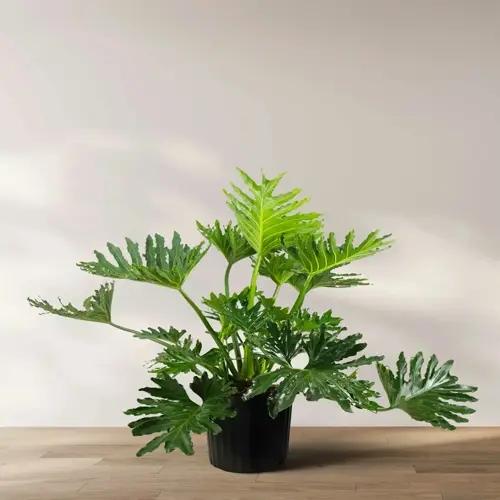
Those splits and holes have a name. They are called fenestration, and your plant makes them only once it has the light and the maturity to pull it off. A small vine fresh from the nursery pushes out plain oval leaves for a while, and that is normal. You should expect a few solid leaves before the cuts start. The fenestration shows up later in the plant's life, never on the very first leaves you bring home.
The science behind this is short. NC State Extension notes that splitting in this plant depends on both maturity and light. A young vine makes solid leaves. A plant grown in a dim corner does the same. Give your vine the right conditions and the next round of growth changes for you. For the full splitting plan and a deeper care routine, see the main guide on this plant.
Light is the lever you control the fastest. Weak mini monstera light is the most common reason a healthy plant keeps making plain leaves year after year. Your vine wants bright, indirect light for several hours a day. A spot a few feet back from a south or west window works well. An east window often needs a closer placement so the plant gets enough. If your leaves look small and flat, more light is the first thing to try.
Light: bright, indirect light for several hours a day. Maturity: young plants make solid leaves first, so count on a few plain leaves before splits appear. Support: a moss pole helps the vine climb and triggers larger, fenestrated growth.
Support matters more than most people expect. In the wild this vine climbs trees, and climbing is part of what tells it to make bigger, split leaves. A moss pole or a wood plank gives the aerial roots something to grab onto. Once your plant starts climbing, the new leaves tend to come in larger and far more likely to fenestrate. The leaves it made while trailing down a shelf will stay plain, but the climbing growth is where you see the change.
How you water and feed the plant plays a smaller part too. A vine that dries out hard or sits in a cramped pot will slow down and hold off on new growth. Keep the soil lightly moist and feed it during the warm months, and you give it the energy to push out those bigger leaves. A pot one size up gives the roots more room to work. None of this matters much, though, if the light is still too low. Fix the light first, then dial in the rest.
So move your plant to brighter indirect light first, then add a moss pole for it to climb. Those two moves fix leaves not splitting for most people. After that, the hardest part is patience. New leaves form one at a time, and the change shows up bit by bit, not overnight. Watch the next three or four leaves before you decide anything is wrong. Each new one should be a little larger than the last. The splits follow once your vine settles into better light and gets a firm grip on its pole.
Read the full article: Rhaphidophora Tetrasperma Care Guide