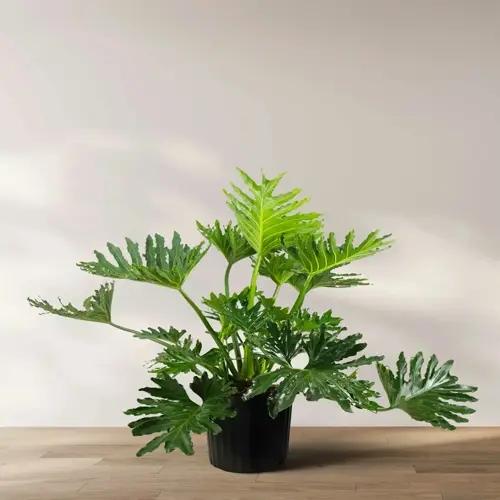

Picture a cat that just chewed a leaf, then starts pawing at its mouth and drooling. It backs away from its food bowl too. That reaction tells you the answer right away. The plant is toxic to both cats and dogs, and the same goes for people. A lot of cat and dog owners type the words rhaphidophora tetrasperma toxic pets into a search bar and hope for a no. The short answer is yes. This houseplant is not safe to chew, so a bitten leaf is worth taking seriously every time. A quick check on your pet can save you a scary night.
The trouble comes from tiny crystals inside the plant called calcium oxalate. These crystals sit packed in the sap and the leaf tissue. When a pet bites down, the sharp crystals release and stab the soft skin of the mouth, tongue, and throat. That is what causes the sudden drooling and the pawing you see. The pain is fast and sharp, almost like a mouthful of tiny needles.
This plant belongs to the aroid family, Araceae, which is known for this exact problem. NC State Extension lists it as toxic, and UF/IFAS explains the cause for aroids like it. The crystals are a hard form of calcium oxalate that the body cannot break down, which is why they are called insoluble. They irritate the mouth and throat the moment a pet chews. The same crystals bother people too, so kids should keep their hands off as well. The one bit of good news is that most animals stop chewing fast once the burning kicks in. A single bite rarely turns into a big meal, which keeps most cases mild and short.
So no, this is not one of the pet safe plants you can leave on a low table near a curious dog. The plant looks soft and harmless with its split green leaves and trailing vines. The sap underneath is the part that bites back. If you want a houseplant your animals can sniff and brush against with zero risk, this one does not make that list. It earns its spot in your home through good placement, not through being harmless.
Keep this plant well out of reach of pets and children at all times. If your cat or dog chews or swallows any part of it, call your vet or a pet poison control line right away.
Smart placement solves most of the danger before it starts. Put the plant on a high shelf or in a hanging basket where paws and small hands cannot reach. A trailing vine looks great spilling down from above, and it stays far from the floor where a bored dog might grab a leaf. Cats are trickier since they climb, so pick a hanging spot with no nearby furniture to launch from. Choose a place that gets bright indirect light up high. That way you never have to pick between a safe pet and a happy plant.
If a pet does chew a leaf, act fast but stay calm. Rinse the mouth with cool water to flush out loose crystals, and wipe away any sap stuck to the lips or gums. Offer a little water or some food to soothe the burning and help wash the crystals down. Then call your vet or a pet poison control line for advice, even if your pet seems fine within a few minutes. Most cases stay mild and pass within a day. A professional can still tell you the warning signs to watch for. Look for swelling or trouble swallowing, and call back if either shows up. That way you catch any rare bad reaction early.
Read the full article: Rhaphidophora Tetrasperma Care Guide