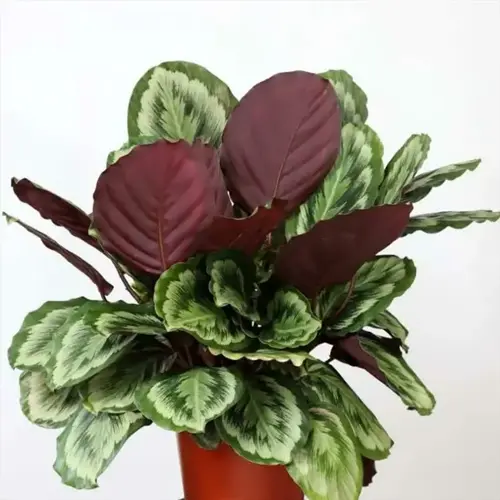

Most pet owners scan a plant tag for a poison warning before it reaches the cart. The good news is that this one passes. Calathea orbifolia is not toxic to cats or dogs. You can bring those wide, striped leaves home without the usual worry. The calathea orbifolia pet safe label is one you can trust. It sets this plant apart from the long list of houseplants that can hurt an animal. So many popular picks, from the snake plant to the peace lily, carry a real risk. This one does not, and that makes shopping a lot less stressful.
This is one of the few plants where the answer is a clean yes. The NC State Extension lists Calathea orbifolia as non-toxic to dogs and cats. The ASPCA backs that up. It places calatheas in its wider non-toxic group. Two trusted sources agree, so you can call this a genuine non-toxic houseplant rather than a maybe. That kind of agreement is rare with foliage plants. Many trendy plants sit in a gray zone where one source warns and another stays quiet. You do not have to weigh that risk here. Both major references land on the same side, which is exactly what you want when a pet shares the room.
Non-toxic does not mean your pet should treat it like a salad. A cat or dog that chews any houseplant can still get a mild stomach upset. All that plant fiber is hard on a small belly. The leaves are not poisonous, but a gut full of shredded foliage is tough to digest. So you should still discourage nibbling, even on a plant this gentle. The risk is comfort, not poison.
Non-toxic does not mean meant for eating: a pet that chews any houseplant can still get a mild, passing stomach upset, so it is wise to discourage nibbling.
For cat owners, this plant earns a real spot on the safe for cats list. A curious cat might bat at a leaf or take a test bite. With this plant, that bite will not bring the burning mouth or vomiting you see with a lily or a pothos. That margin matters most with cats. They climb, paw, and explore far more than dogs do. You get a dramatic foliage plant without a vet trip hanging over it.
All of this makes Calathea orbifolia a strong pick for a home with pets or young children. You do not have to wall it off on a high shelf or behind a closed door. Still, a little planning helps both the plant and the pet. Put it where a bored cat or a chewy puppy is less likely to reach the broad leaves. A plant stand in a quiet corner works well. So does a spot away from the main play zone. The placement is also kinder to the plant itself, since those large leaves bruise and tear when paws bat at them. A torn leaf will not regrow, so a calmer spot keeps your plant looking full.
Watch for mild digestive upset if a pet does manage a few bites. A bit of drooling, a soft stool, or one round of vomiting tends to clear on its own within a day. Keep fresh water nearby. Then watch your pet for the rest of the evening. If the symptoms drag past 24 hours, or your pet seems off in other ways, call your vet to be safe. With this plant, that call is a rare one. You get a lush, safe plant that fits right into a busy household with cats, dogs, and kids underfoot.
Read the full article: Calathea Orbifolia Care: A Full Guide