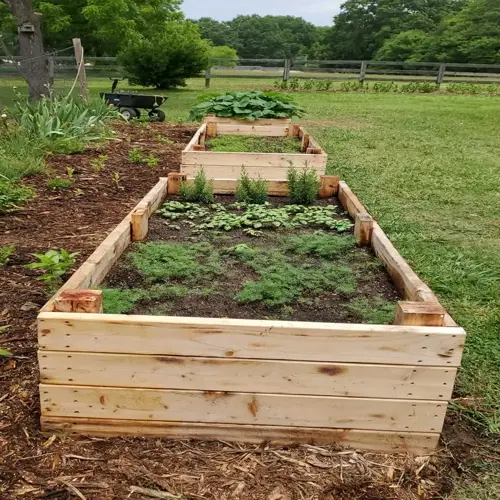

That first cold, wet spring after I covered the clay patch behind the back kitchen window, my beans and squash came up thin and slow. The seedlings just sat there for weeks. The soil stayed soggy and cold, long after my tilled rows had dried out and warmed up.
For most home gardens over the long run, no-till is the better choice for building lasting soil health. But the no-till versus tilling question has no single answer that fits every garden. The right call depends on your soil, your climate, and what you are starting with. That slow, chilly spring is a fair warning that no-till is not automatically better in every season.
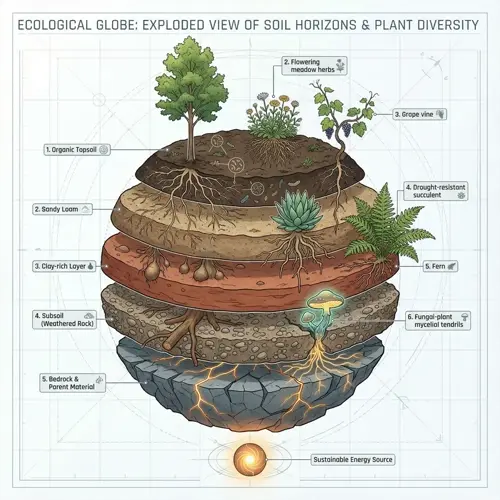
The core advantage comes down to what happens underground. When you leave soil undisturbed, you keep its structure, its fungal networks, and its worm channels intact. The USDA Natural Resources Conservation Service calls this the base of healthy soil. Those worm tunnels and fungal threads move water and air through the ground far better than any tiller can. Every pass with a tiller chops those channels apart and sets the clock back to zero.
The numbers back this up. No-till cuts soil erosion by more than 80% next to plowed ground. That figure comes from USDA data, reported by the EESI. Penn State Extension adds that no-till soils tend to hold more organic matter and build better structure over the years. More organic matter means soil that holds water in dry spells. It also feeds your plants with less added fertilizer. That is the slow payoff you are working toward.
Tilling still has a place, though. Breaking new ground that has been packed hard for years is one job a tiller does well. Say you are starting a bed on heavy clay. Or you have a real drainage problem. One pass with a tiller can open things up enough to get roots moving. The trade-off is that you reset some of the soil life you wanted to protect. So you only do this where you truly need it.
So weigh your own situation before you commit, because the no-till versus tilling choice is really three smaller choices. Climate matters first. No-till beds stay cooler and wetter in early spring. That slows warm-season seeds like beans and squash, which is exactly what bit me that first year. If your springs run cold and damp, pull the mulch back a few weeks early to let the soil warm. Soil type matters next, since loose loam takes to no-till faster than dense clay. Budget counts too. Building beds with mulch and compost costs money up front, while a tiller trades that cost for your own sweat.
Many gardeners land on a minimal-till approach. They till once to fix a hard or poorly drained patch, then switch to no-till to protect the soil they just opened up. You get the quick fix without giving up the long-term gains.
Knowing when tilling helps is the real skill here. Use it to open new or packed ground. Then put the tiller away and let mulch, compost, and time do the rest. For an established garden with decent soil, leaving the ground alone almost always wins. My clay patch came around the next year. The worms moved in, the mulch broke down, and the spring soil drained on its own. By the third year those same beans came up fast and even. Start where your garden actually is, not where a rule book says it should be.
Read the full article: No Till Gardening: A Complete Guide