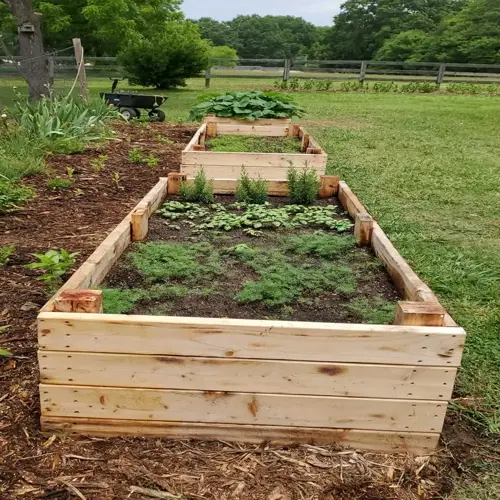

No, October is not too late. It is one of the best times to start a fall no-till garden. On a cool October day I lined the hard clay patch out back with overlapping cardboard. I piled fresh arborist woodchips on top until the brown clay turned into a thick mound. Then I walked away and let winter do the work on my own no-till bed.
By the next spring the layers had settled and gone soft. I pushed a finger into the spot that had been solid clay, and I found it sank in past the second knuckle. The bed was loose and dark and ready for transplants. I planted my tomatoes straight into it with no shovel. Building beds in fall gives you that head start without any digging at all.
The reason this works comes down to what happens under the cover during the cold months. The cardboard holds moisture against the soil and starts to soften. Rain, snowmelt, and frost press the winter mulch down into the dirt. Worms and microbes pull the wet paper and compost into the ground and chew through it slowly. By spring the whole pile has thinned and mellowed into plantable soil. You get a finished bed without lifting a single forkful of dirt.
Timing is what makes a fall no-till garden work so well. A bed built in October has the full winter to break down, which is the slow part. If you wait until April, the cardboard is still stiff and the compost has not knit into the ground yet. You end up planting into a pile that has barely started to settle. The fall start hands that waiting period to the cold months instead of your growing season.
Overlap plain cardboard by 6 inches at every seam so no grass finds a gap. Soak it down as you go.
Spread 2 to 3 inches of compost over the cardboard. This feeds the soil life that breaks everything down.
Top it with 4 to 6 inches of woodchips, leaves, or straw. Thick cover protects the soil all winter.
Fall is also a strong window if your spot is still lawn or weeds. Laying cardboard or a tarp over turf smothers it by cutting off light. The grass starves with no sun and dies back. UNH Extension notes this smother method works best when you give it several months to a full year. Start in October and the turf breaks down over winter while you wait for planting weather. By the time you want to plant, the lawn is gone and the soil below is soft.
Do not leave the soil bare once the bed is built. Bare ground bakes in the sun, washes away in the rain, and loses the worms and fungi you want. Cover the bed heavily before the first hard freeze and let it sit. The thick layer keeps soil life alive and working through the cold. It also traps moisture so the bed stays soft underneath. A blanket of mulch is the cheapest insurance your garden gets all year.
Aim for at least 4 inches of mulch over every bed before winter. Thin cover lets weeds back in and leaves soil exposed to frost heave.
When the ground warms in spring, you pull back a small patch of mulch and plant straight into the soft layer below. No tilling, no broken back, no waiting weeks for a bed to settle. The work you do on one cool October afternoon pays off the moment the garden wakes up. Start your fall no-till garden now and your spring self gets a bed that is already done.
Read the full article: No Till Gardening: A Complete Guide