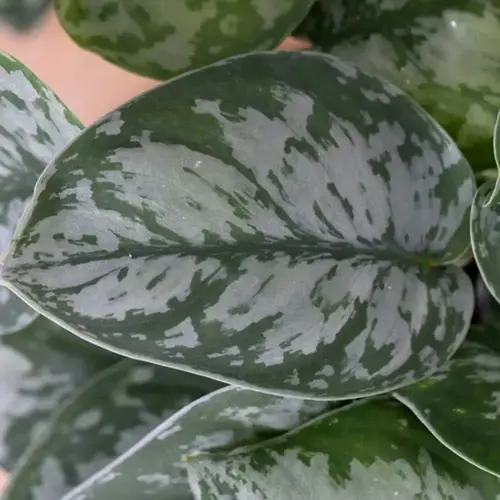

Yes, syngonium is toxic to cats and dogs. This is one houseplant where the safety answer truly matters. A single chewed leaf can leave a pet drooling and in real pain. Syngonium toxic to pets is not a rare myth either. The arrowhead plant sits right on the ASPCA list of toxic plants for both species. So if your cat is curious or your dog nibbles greenery, you want to know what you bring into the house before it ends up on the floor.
Here is the good news. This plant rarely causes lasting harm. The bad news is that the first few minutes after a bite are scary. Your pet will hurt and you will panic. Knowing why it happens helps you respond fast and stay calm.
The trouble comes from tiny needle-shaped crystals inside the plant. The crystals are a type of calcium oxalate. They sit packed inside the leaves and the stems. When your pet bites down, the crystals release and stab the soft tissue. They hit the mouth, the tongue, and the throat. The ASPCA and NC State Extension both point to this same cause. Your pet feels a sharp burning sting right away. That sting is what triggers every symptom you see next.
Watch for these signs if you think your pet chewed an arrowhead leaf. They tend to show up within minutes of the bite.
Mouth And Lip Reactions
- Oral irritation: A burning, stinging feeling hits the mouth, tongue, and lips right after the bite.
- Visible swelling: The mouth and lips can puff up, and your pet may hold its mouth open.
- Pawing at the face: Many pets rub or paw at the mouth to fight the sudden sting.
Drooling And Stomach Signs
- Excessive drooling: Heavy, sudden drooling is the clearest signal you will spot at home.
- Vomiting: Cats and dogs often vomit, though horses are the one exception that usually does not.
- Loss of appetite: A sore mouth makes many pets skip food and water for a short while.
More Serious Warning Signs
- Difficulty swallowing: Trouble swallowing can leave a pet unable to eat or drink for a few hours.
- Throat swelling: Swelling deep in the throat can make breathing hard, and that needs a vet fast.
- Weakness or distress: A pet that seems weak or struggles to breathe should see a vet right away.
Most pets stop after one bite because that first sting teaches them fast. The pain is loud but the plant is rarely deadly. Symptoms usually fade within a few hours. Still, do not brush it off. Swelling in the throat can make breathing hard, and that turns a minor scare into a real problem. When in doubt, a quick vet visit is the safe call.
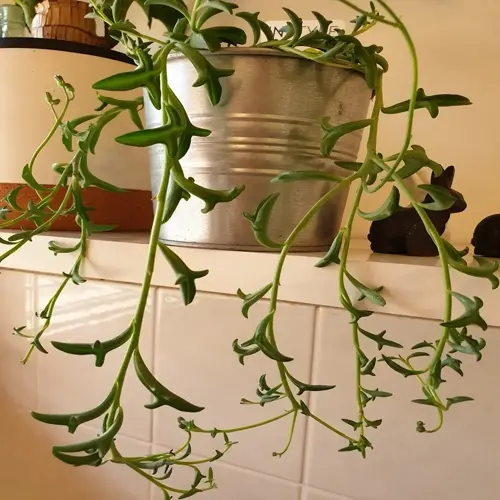
Prevention is simple. Keep the plant well out of reach on a high shelf or in a room your pet cannot enter. Arrowhead plants love to trail and climb, so make sure no vines dangle down where a cat can swat them. A hanging basket near a wall works better than a pot on a low table. A determined dog can reach a low table without much trouble.
If you catch your pet chewing a leaf, act right away. Take the plant material out of its mouth first. Then rinse the mouth with cool water if your pet will let you. Call your vet next, or reach the ASPCA Animal Poison Control hotline at 888-426-4435 for clear steps. Watch for heavy drooling and pawing at the mouth in the hours after the bite. Get to a vet fast if the swelling looks bad or your pet struggles to breathe.
Read the full article: Syngonium Plant Care Guide for Beginners