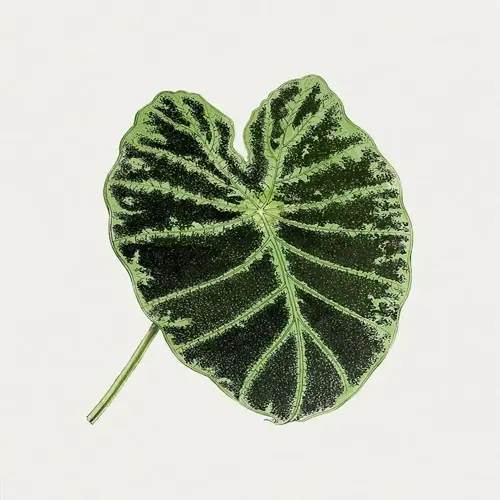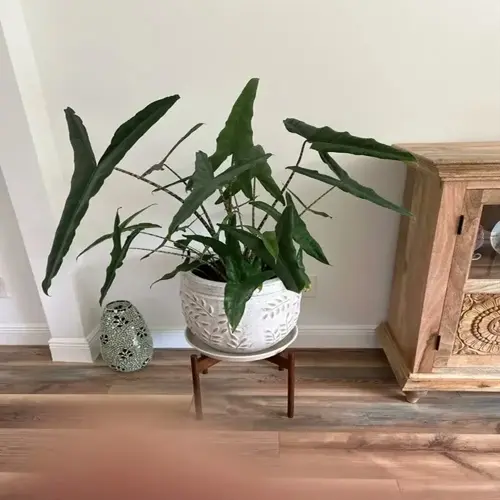

A cat batting at those striped leaves or a dog sneaking a nibble is one of the first worries people have about this plant. Good news on calathea medallion pet safety: the Calathea Medallion is non-toxic to cats and dogs. The ASPCA lists the prayer plant group as safe, so a curious pet that tastes a leaf is not facing poison.
The plant belongs to the prayer plant family Marantaceae. The ASPCA prayer plant entries index this same group under names like Maranta and Calathea. All of them are marked non-toxic to dogs, cats, and horses. So whether you call it a calathea or a prayer plant, the safety rating stays the same. That broad listing is why so many pet owners reach for this family first when they want green decor without worry.
There is one bit of nuance worth knowing. Non-toxic does not mean a pet can eat a whole plant with no effect. If a dog or cat wolfs down a large amount of foliage, the leaves can still upset the stomach. That reaction is mechanical, not chemical. The fibrous plant matter irritates the gut, much like grass would. It is not poisoning. The body just wants the bulk of the leaves out, and it clears them the quick way.
What does that look like at home? A pet that chews a leaf or two will be fine, and you likely won't see any reaction at all. A pet that strips several stems in one go might vomit once or twice or have a loose stool while the foliage clears. These signs pass on their own in most cases. They don't point to toxins in the leaves. Compare that to a true toxic plant like a lily or a sago palm, where even a small bite can do real harm to an animal.
This is the part that puts most owners at ease. With a genuinely poisonous plant, you race against time and call poison control. With the Calathea Medallion, you watch, you wait, and the pet bounces back. The plant earns its spot on the safe list for a reason, and the worst case is a brief tummy ache rather than an emergency.
Call your vet if a pet eats a large quantity of leaves, keeps vomiting past a day, stops eating, or seems weak. A quick call settles your nerves and rules out anything unrelated to the plant.
Even with a safe plant, a little placement sense helps. Set the Calathea Medallion on a shelf or plant stand out of easy reach. This keeps a chewing pet's stomach happier. It also spares those thin, painted leaves from torn edges and bite marks. Calathea foliage scars without healing, so one good chew leaves a mark you will see for months. A plant up high also gets the bright, indirect light it craves, so the move helps the leaves twice over.
Pets often chew houseplants out of boredom or a craving for greens. Give a cat a pot of cat grass nearby, or hand a dog a chew toy, and the calathea suddenly looks less tempting. Redirecting the habit protects the plant better than scolding ever will. A bored animal will go back to the leaves the moment you turn your back, so give it something better to do with its mouth.
So the verdict is clear. This plant is a safe pick for a home with animals. The ASPCA non-toxic listing covers the whole prayer plant family, so you can trust the rating. Keep it up high to protect the leaves. Watch for mild stomach upset only if a pet eats a lot, and call your vet if anything looks off. You get a striking plant and a calm mind at the same time.
Read the full article: Calathea Medallion Care: Full Guide