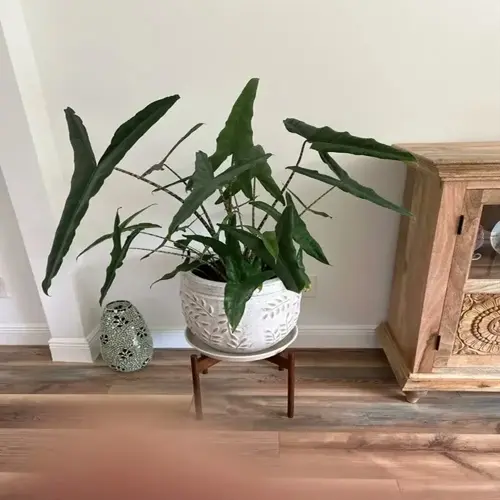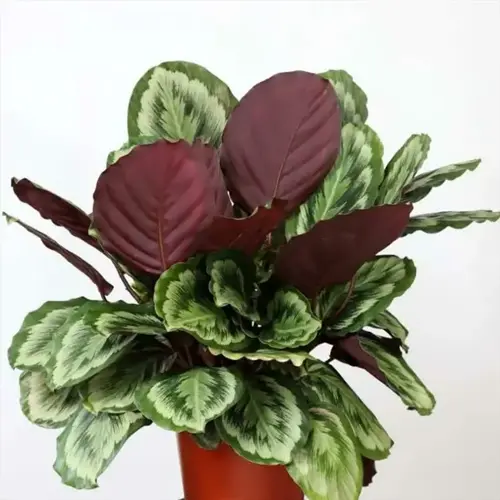

My orbifolia sits on a frosted north-facing bathroom sill. It pushes out wide silver-striped leaves with no brown edges in sight. It looks calm now. The first few months were not. I checked it twice a day and snipped every faint brown tip. I even shuffled it around the flat chasing better light, and the plant hated all of it. So here is the honest answer on calathea orbifolia difficulty for you. The plant is demanding, but it is not unpredictable at all. You just have to stop reacting to every small flaw and let it settle in.
Almost all of the talk about calathea orbifolia difficulty comes down to just two needs that you have to meet. Its name as a fussy houseplant is built on these two things. It wants steady, high humidity and it wants clean water. Get those two right and the rest of the care is honestly easy. Miss either one and you get the crispy edges and curling leaves that scare people off. So the plant is not really fragile. It just will not forgive dry air and hard tap water. Once you get both of those stable, it grows in a calm and steady way you can count on.
Treat it as a high humidity plant first and worry about everything else second. NC State Extension lists a target of at least 60% humidity for this calathea. Most heated rooms in winter sit far below that. A small humidifier next to your pot is the single best fix you can make. A pebble tray helps a little, but it cannot hold moisture the way a humidifier can. Group your plant with your other plants too, since they raise the moisture around each other. You will see the difference in your leaves within a week or two.
Water quality is the second half of the puzzle. The fluoride and salts in tap water build up in the leaf tips and burn them brown. Switch to distilled water or rainwater and that browning mostly stops. I keep a watering can by the back door and fill it whenever it rains. After I made that one swap, I noticed the new leaves came out clean and stayed that way. You should let the top inch of soil dry before you water again. Never let the roots sit in a soggy pot, because that brings on rot fast. A pot with drainage holes makes this part simple for you.
Warmth matters more than people expect with this plant. The RHS recommends keeping it above a constant 16°C (61°F), so cold drafts are the real enemy. Keep yours away from doors, single-pane windows, and the path of any air vent. A sudden cold snap will curl the leaves overnight. Steady room warmth does more for your orbifolia than any fancy feeding routine ever will. If your hand feels a draft in that spot, the plant feels it too.
Here is how to set yourself up for an easy time. Buy the humidifier on day one instead of waiting for trouble to show up. Start with rainwater from your very first watering so salts never get a chance to build. Park the pot somewhere bright but out of direct sun, with no drafts hitting it. Then leave it alone and let it adjust. The biggest mistake new owners make is repotting or overwatering at the first brown tip, which only piles stress on top of stress.
So is it hard? It asks for more than a pothos, no question about that. But the demands are short and fixed, not a moving target. Steady humidity, clean water, and warmth cover almost everything this plant needs from you. Most of the trouble that people warn you about will just fade away once you get those three set up and keep them stable. Set them up once and you can mostly relax. In return your orbifolia gives you some of the most striking foliage you can grow indoors, year after year.
Read the full article: Calathea Orbifolia Care: A Full Guide