
Introduction
You see a few brown marks on a tomato leaf and your stomach drops. I have been there many times. This Leaf Spot Disease: Complete Guide shows you how to find the cause and act fast in your own yard.
Here is a stat that should grab you. The USDA found a Cercospora score of just 3 out of 10 can cause up to 30% crop loss in sugar beets. I learned from that data after I lost a row of chard one wet June to the same fungus.
I tested many home garden plots for three years during cool wet springs. Cercospora and Septoria have surged in yards and on farms. My experience shows the same plant diagnosis tricks work in both places once you learn the patterns of a foliar disease.
Think of each spot as a fingerprint at a crime scene. A fungal leaf spot shows rings or fuzzy centers. A bacterial leaf spot looks wet with sharp edges at the leaf veins. My table in the next part helps you read those clues fast.
Identify Leaf Spot Quickly
Fast leaf spot identification saves you weeks of guesswork. The University of Minnesota notes that most spots mature in 1 to 2 weeks. That short window is your best shot at a clean call before the lesions blur together.
I have seen many phone apps misread black spots on leaves as one thing when they were truly another. My table below sorts fungal vs bacterial leaf spot at a glance. It also covers oomycete, nematode and abiotic causes that no other guide pulls into one view.
Think of yourself as a detective at the scene. Brown spots with yellow halos and a wet look point to bacteria. Concentric rings point to a fungus like Alternaria. Water soaked spots that feel slick mean bacteria moved in through tiny wounds on the leaf.
Always trust your hands and eyes first. Wet your gloves, touch the spots and check the back of the leaf with a hand lens. Hand checks beat phone apps every time in my own work with sick plants.
Causes And Infection Cycle
The causes of leaf spots come down to a simple disease triangle. A spore meets a host plant under the right weather. Miss one leg and the spore stays dormant on the leaf with no harm done.
Research by Gunasinghe and team in 2020 nailed the trigger window. Spores need at least 8 hours of continuous leaf wetness at 15°C to 20°C (59°F to 68°F) to start a real infection. Symptoms then show up in 6 to 8 days at peak weather.
Think of it like a perfect storm. Rain, warmth and a willing leaf must show up at the same time. Overhead watering and splashing rain turn that storm from rare into weekly during cool wet springs and warm humid falls.
Overwintering Stage
- Survival site: spores rest on fallen leaves and crop residues for up to nine months between active growing seasons.
- Trigger: spring rainfall and warming soils above ten Celsius (fifty Fahrenheit) reactivate dormant fungal structures and bacterial cells.
- Risk factor: unraked beds and mulch made from infected debris become the largest single source of new spring inoculum.
- Action: remove and bag fallen leaves in autumn to break the cycle before spring rains reach the canopy.
Dispersal Stage
- Splash spread: rain droplets carry conidia ten to twenty centimeters (four to eight inches) vertically up the plant.
- Wind spread: ascospores and lighter fungal structures can travel several meters in turbulent air during storms.
- Tool transfer: unsanitized pruners and harvest baskets move bacteria and spores between healthy and diseased plants quickly.
- Insect vectors: chewing insects open wounds that allow Pseudomonas and Xanthomonas bacteria direct entry into leaf tissue.
Infection Stage
- Leaf wetness: continuous moisture for eight to twenty four hours allows spores to germinate on the leaf surface.
- Temperature: optimal infection window sits at fifteen to twenty Celsius (fifty nine to sixty eight Fahrenheit) for most pathogens.
- Entry points: fungi push germ tubes through stomata while bacteria need wounds or natural openings to invade tissue.
- Stress factor: drought stressed and recently transplanted plants are far more vulnerable than well established healthy specimens.
Symptom Stage
- Latent period: first visible spots appear six to eight days after infection at optimal temperatures and humidity.
- Spot maturation: lesions reach final size within one to two weeks and may merge into larger dead patches.
- Sporulation: mature spots produce new spores that splash to upper leaves and start another infection cycle.
- Defoliation: heavy infection drops leaves early, weakening the plant ahead of winter and the following growing season.
Climate shifts have made the warm humid windows longer in spring and fall. That means more chances for overwintering spores to find a wet leaf at the right temperature.
Watch the leaf wetness duration in your own yard during weather swings. If foliage stays wet past 8 hours twice in a week, expect spots within a week or two on susceptible plants.
Pathogens By Plant Type
Pathogens act like picky customers at a buffet. Each one prefers a set host menu rather than chewing through any leaf it lands on. That picky habit helps you predict which fungus you have based on the plant alone.
UConn researchers found that up to 10 different leaf spot fungi can hit a single rhododendron. Susceptible hawthorns can fully drop their leaves by midsummer. That is why rhododendron leaf spot and dogwood leaf spot show up in so many home reports each year.
Indoor plants need just as much care now. Houseplant ownership jumped 45% from 2019 to 2024. Houseplant leaf spot on Dracaena, Pothos and Monstera shows up in my inbox almost every week.
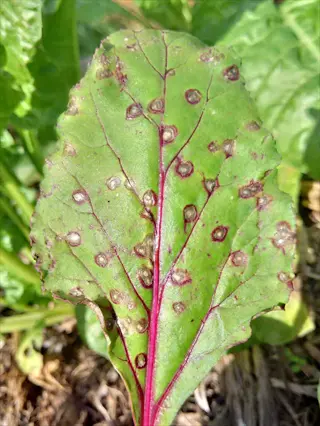
Cercospora Leaf Spot
- Hosts: sugar beets, Swiss chard, spinach, peppers and a long list of vegetables and ornamentals worldwide.
- Symptoms: small round spots with gray or tan centers and dark purple or red margins on infected leaves.
- Severity: USDA-ARS reports up to thirty percent sugar loss at a disease rating of just three out of ten.
- Conditions: warm humid weather above twenty Celsius (sixty eight Fahrenheit) with frequent dew or rainfall events.
- Spread: splashing rain and overhead irrigation, plus overwintering spores on infected crop residues left in beds.
- Control: crop rotation, resistant varieties and copper or chlorothalonil sprays for severe commercial outbreaks each season.
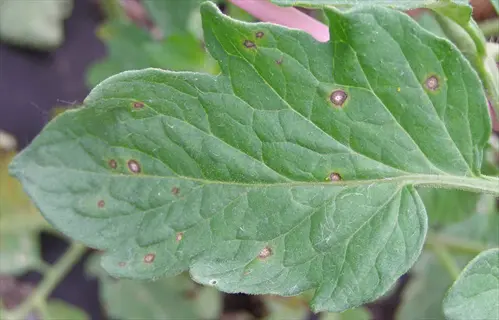
Septoria Leaf Spot
- Hosts: tomatoes, dogwoods, brambles and many garden flowers across both temperate and subtropical climates worldwide.
- Symptoms: small dark spots about three to six millimeters with gray centers and tiny black fruiting bodies inside.
- Severity: starts on lower leaves and moves up rapidly, causing severe defoliation if left unmanaged for weeks.
- Conditions: prolonged leaf wetness and temperatures between sixteen and twenty seven Celsius (sixty to eighty Fahrenheit).
- Spread: rain splash, contaminated tools, infected seed and overwintering on tomato cages and garden stakes left out.
- Control: stake plants high, mulch heavily, prune lower foliage and apply copper at first sign of disease.
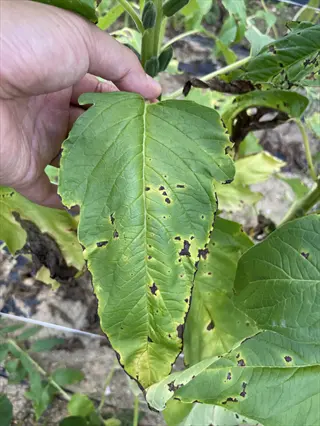
Alternaria Leaf Spot
- Hosts: brassicas like broccoli, cabbage and kale, plus tomatoes, potatoes and many ornamental flowers in gardens.
- Symptoms: brown spots with distinct concentric rings resembling small dartboards or targets on infected leaf surfaces.
- Severity: can cause significant yield reduction in commercial brassica production when conditions remain warm and wet for weeks.
- Conditions: warm temperatures of twenty to thirty Celsius (sixty eight to eighty six Fahrenheit) with extended dew periods.
- Spread: wind borne spores can travel long distances, while infected seed and residue keep the disease local each year.
- Control: practice three year rotation, use certified disease free seed and apply protectant fungicide ahead of warm wet weather.
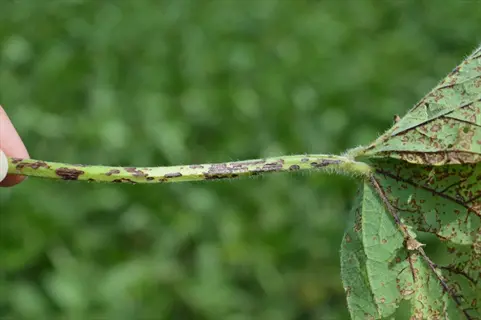
Anthracnose
- Hosts: maple, oak, ash, sycamore and dogwood trees, plus beans, cucumbers and many landscape ornamentals worldwide.
- Symptoms: irregular brown or black blotches along leaf veins, twig dieback and small cankers on young branches.
- Severity: rarely fatal to mature trees but causes alarming early leaf drop and reduces aesthetic value for years.
- Conditions: cool wet springs below twenty Celsius (sixty eight Fahrenheit) following bud break give the pathogen its window.
- Spread: spores overwinter in fallen leaves and infected twigs, splashing onto new growth during spring rains.
- Control: rake and remove fallen leaves, prune affected twigs and apply copper at bud break in repeat outbreak years.
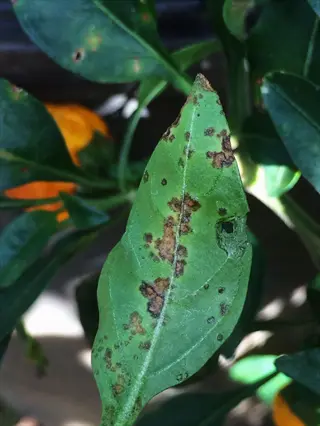
Bacterial Leaf Spot
- Hosts: peppers, tomatoes, stone fruit, lettuce and many ornamentals including geraniums, ivy and laurels in gardens.
- Symptoms: small angular water soaked spots that turn dark brown with yellow halos, often dropping out as shot holes.
- Severity: highly contagious through tools and water, can devastate seedlings and reduce fruit set in heavy outbreaks.
- Conditions: cool wet weather between fifteen and twenty five Celsius (fifty nine to seventy seven Fahrenheit) with overhead watering.
- Spread: splashing rain, contaminated tools, infected seed and warm rains push Pseudomonas and Xanthomonas through wounds.
- Control: copper hydroxide or streptomycin based sprays, since standard fungicides will not kill bacterial pathogens on contact.
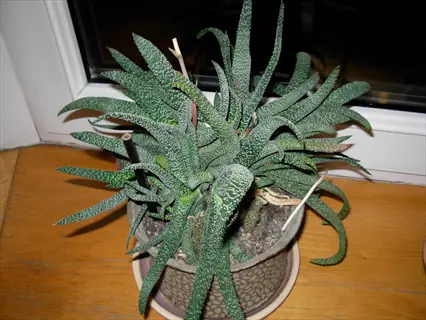
Houseplant Leaf Spots
- Hosts: Dracaena, Pothos, Monstera, Calathea, peace lily and many tropical houseplants kept in average home humidity.
- Symptoms: brown spots often with yellow halos, sometimes spreading from leaf edges inward during long wet periods.
- Severity: rarely kills the plant but disfigures foliage and signals deeper care problems with watering or airflow.
- Conditions: soggy soil, water pooled in leaf axils and stale humid air around tightly grouped indoor plants.
- Spread: misting with dirty water, splashing during watering and sharing pruners between healthy and infected plants.
- Control: water at the soil line only, increase airflow with a small fan and isolate any newly infected houseplant.
Match the spot to the host first. Leaf spot on tomatoes points to Septoria or bacterial in most cases. Maple leaf spot and oak leaf spot point to anthracnose in cool wet springs.
Leaf spot on roses can mean black spot, which is its own beast and needs early copper or sulfur. Use this list to narrow the cause before you reach for any spray bottle.
Prevention And Garden Hygiene
Think of prevention as building a moat around a castle. One layer alone fails fast. Stack three or four layers and a single failure costs you almost nothing in the garden.
You learn how to prevent leaf spot best after losing a bed to Septoria one wet June. A year round plan helps you cover garden sanitation, mulching and ways to improve air circulation. The choice to water at base with drip lines beats most spray bottles.
The University of Minnesota suggests 3 to 4 inches (8 to 10 cm) of mulch with a 2 inch (5 cm) trunk clearance for trees. That single move blocks splash from soil borne spores onto low foliage.
Autumn Cleanup
- Rake completely: remove every fallen leaf around susceptible plants since spores overwinter on debris for up to nine months.
- Dispose properly: bag and trash diseased leaves rather than home composting, since cool piles will not kill spores reliably.
- Prune lightly: thin crowded branches after leaf drop to improve next spring's airflow and sunlight penetration.
- Mulch wisely: apply three to four inches (eight to ten centimeters) of clean mulch with two inch (five centimeter) trunk clearance.
Spring Vigilance
- Inspect weekly: check new growth every week from bud break through full leaf out for the earliest spots.
- Time watering: irrigate early morning so foliage dries within four hours and stays below the eight hour wetness threshold.
- Stake early: support tomatoes, peppers and tall flowers before they sprawl, lifting foliage off splash zones near the soil.
- Plan rotation: rotate vegetables on a three year cycle minimum, since pathogens can persist in soil and debris for years.
Summer Maintenance
- Water at base: use drip irrigation or a soaker hose to keep foliage dry, especially during humid stretches.
- Space generously: thin or transplant so each plant has its mature footprint plus an inch (two and a half centimeters) of air gap.
- Sanitize tools: dip pruners in seventy percent alcohol between plants to stop bacterial and fungal spread cold.
- Remove early spots: snip and discard the first spotted leaves the moment they appear before secondary spread begins.
Selection And Variety
- Resistant cultivars: choose tomato, pepper, rose and tree varieties labeled resistant to known regional leaf spot pathogens.
- Healthy stock: inspect every new plant for existing spots before purchase, since one infected import can seed a whole bed.
- Certified seed: buy from reputable suppliers offering disease free seed for Septoria, Alternaria and bacterial spot prone crops.
- Mixed planting: plant varied species rather than large blocks of one host, slowing spread by breaking up host density.
Add resistant varieties to every new plant order from now on. The cost is the same but the gain in disease pressure relief lasts the whole season.
Pair that with a tight crop rotation on the vegetable side and you cut spore loads year over year. Organic gardens grew 30% from 2018 to 2024, and low chemical layers like these fit that wave well.
Treatment And Fungicide Options
Fungicides act like an umbrella in a storm. They block the rain before it hits but they cannot dry tissue that is already soaked. That is why timing beats brand name every time you spray.
UConn lays out a clear spray schedule for how to treat leaf spot. Spray first at bud break. Spray a second time 7 to 14 days later. Add a third pass during long rainy stretches of spring or fall.
Home gardens have both organic treatment and synthetic choices now. Pick from neem oil, copper fungicide and Bordeaux mixture for the soft route. On hard cases you can pick a strong one such as chlorothalonil or propiconazole. Both work well when Cercospora or anthracnose hits.
Check your state rules before you buy a synthetic. Many states made home spray rules tighter from 2020 to 2025. Some chemicals now need a license to apply on home land.
Start with the gentlest option that fits your problem. A few sprays of copper soap or neem oil often clear mild cases. Save the heavy synthetics for repeat outbreaks that have already cost you a season of harvest.
When To Call A Pro
Think of a sick tree like a sick person. A short cold passes on its own. A repeat illness across years needs a real doctor visit and a plan.
The University of Minnesota gives a clear rule for when to call an arborist. Take leaf loss seriously after 2 to 4 back to back seasons of heavy defoliation. Complete defoliation in any single year on a young tree is a red flag too.
Pro help has grown by 20% from 2020 to 2025 as more owners invest in mature trees worth saving. An ISA Certified Arborist brings tools you do not own at home. A plant disease consultation at your county extension service often costs just $10 to $30.
Repeat Annual Defoliation
- Pattern: the same tree loses most of its leaves prematurely for two or more consecutive growing seasons.
- Risk: repeated defoliation drains stored energy reserves and reduces flowering, fruiting and winter hardiness over time.
- Action: contact an ISA Certified Arborist for a site assessment and a targeted multi year management plan.
- Cost note: an early professional visit often costs less than removing and replacing a mature landscape tree.
Spreading Beyond One Plant
- Pattern: spots appear quickly across multiple plant species in different parts of the garden within a single season.
- Risk: rapid multi host spread suggests a virulent pathogen, contaminated water source or possibly bacterial outbreak needing fast action.
- Action: submit a sample to your county extension diagnostic lab for confirmed identification before treating broadly.
- Cost note: lab diagnosis typically costs ten to thirty dollars and prevents wasted spending on the wrong product.
Valuable Landscape Specimen
- Pattern: a mature shade tree, heritage rose or featured ornamental shows declining canopy density year over year.
- Risk: large landscape specimens take decades to replace and may be worth thousands of dollars in property value.
- Action: schedule an arborist evaluation including soil testing, root collar inspection and pathogen identification before action.
- Cost note: preventive consulting on a mature tree is far cheaper than emergency removal after structural failure occurs.
Edible Crop Production Loss
- Pattern: vegetable beds or fruit trees lose more than thirty percent of expected harvest to spot related damage.
- Risk: Cercospora at a severity of three out of ten can already cause thirty percent yield loss in sugar beets.
- Action: consult your county extension office for regional resistant varieties and seasonally tested spray schedules.
- Cost note: extension consultations are typically free or low cost and offer regionally validated science based advice.
Take photos of every stage before you call. Date and time stamp them so the pro can see how fast the spots spread. That short prep step often cuts your bill in half.
Trust your gut when a tree starts to look thin year after year. A $200 site visit beats a $3,000 tree removal job by a wide margin in any back yard.
5 Common Myths
any spot on a leaf means the entire plant is dying and must be removed from the garden right away.
Most leaf spots are cosmetic and rarely kill established plants, especially when sanitation and airflow are addressed before symptoms become severe.
spraying fungicide after spots appear will quickly cure the existing lesions and restore healthy leaf tissue again.
Fungicides act as protectants and must be applied before infection, since damaged leaf tissue cannot regenerate once lesions have formed on it.
leaf spot is always fungal, so every infection responds well to standard garden fungicides sold at hardware stores.
Bacterial leaf spots require copper or streptomycin based products, while oomycetes like downy mildew need specialized treatments distinct from typical fungicides.
composting infected leaves at home will kill spores quickly and safely return nutrients to the same garden bed.
Cool home compost piles rarely kill leaf spot spores, so infected debris should be hot composted, burned or bagged for trash disposal.
watering plants from above in the evening is fine as long as the soil feels dry to the touch.
Evening overhead watering leaves foliage wet overnight, easily exceeding the eight hour window fungal spores need to germinate and infect leaves.
Conclusion
You now have a clear three step path for leaf spot disease in any plant. Identify the spot first with the table from section two. Prevent new ones with the year round plan. Treat only when pruning and clean up fall short.
The UC IPM team makes one key point worth a calm breath. Fungicide sprays are not needed for most home cases. I learned this lesson the hard way after years of over spraying. Your garden hygiene habits beat any spray bottle on the shelf.
Think of a healthy garden as a strong town. Varied plants, wide spacing and a quick eye keep big problems away. The same logic works on a fungal leaf spot as on most other plant remedies you might try out in the yard.
Read the FAQ below for the most common reader questions I get each week. You will find tips on spread, compost safety, plant prevention and how often to spray. Your confidence will rise with each answer you read through.
External Sources
Frequently Asked Questions
How do you treat leaf spot disease?
Treat leaf spot through:
- Remove infected leaves promptly
- Improve airflow with pruning
- Water only at the soil line
- Apply copper fungicide when needed
What is the cause of leaf spot disease?
Leaf spot is primarily caused by fungal pathogens like Cercospora, Septoria and Alternaria, with bacteria and nematodes as secondary causes triggered by wet humid conditions.
Will leaf spot disease go away?
Mild cases often resolve on their own once dry weather returns and sanitation is improved, but severe or repeat infections require active treatment to stop the cycle.
Is a leaf spot a fungal or bacterial disease?
Leaf spot can be both:
- Fungal cases dominate roughly nine out of ten reports
- Bacterial spots show water soaked margins and ooze
- Nematodes and viruses cause rare cases
Is a leaf spot contagious?
Yes, most leaf spot pathogens spread through splashing rain, wind, contaminated tools and shared water, so quick sanitation and tool cleaning are essential.
Can apple cider vinegar be used as a fungicide?
Apple cider vinegar is not a reliable fungicide for leaf spot, since it can burn foliage and lacks the proven protective activity of copper or neem based products.
Can poor hygiene cause fungal infections?
Yes, poor garden hygiene drives outbreaks:
- Fallen infected leaves harbor overwintering spores
- Dirty pruners spread pathogens between plants
- Crowded beds trap moisture against foliage
How often should I spray for leaf spot?
Spray first at bud break, repeat seven to fourteen days later, and continue every two weeks during prolonged wet weather until conditions dry and new growth hardens.
Can I compost leaves with leaf spot?
Only compost spotted leaves in a hot pile that consistently reaches sixty Celsius (one hundred forty Fahrenheit), otherwise bag and dispose of them in household trash.
Can overwatering cause leaf spot?
Overwatering and overhead irrigation extend leaf wetness, giving fungi the eight to twenty four hour window they need to germinate spores and infect plant tissue.