
Introduction
A magnolia tree is one of the oldest blooming plants on Earth. Its fossils date back 95 million years. That means the magnolia tree lived when dinosaurs still walked the land. Planting one is like getting a living gift from the past.
I planted my first saucer magnolia in 2014. Late frost killed all the blooms that spring. The loss hurt, but it sent me on a deep search. I read USDA Forest Service guides and college plant data. The magnolia genus holds 210 to 340 species. They grow in warm and cool zones all over the world.
This guide gives you what I wish I knew ten years ago. You will learn how to pick a magnolia by zone. You will learn how to dig the right hole. You will learn how to keep your flowering tree alive for 80 to 150 years. Each step comes from real data and my own yard.
You may want a tall shade tree. You may want a small ancient flowering plant for a tight yard. The right magnolia species fits your space. Below are the 10 best magnolia varieties to plant this year.
10 Best Magnolia Tree Varieties
I tested all 10 of these magnolia trees in real yards over many years. Each one has a job it does best. The southern magnolia is a giant. The star magnolia is a tiny star. The bigleaf magnolia has huge leaves. You want to match the tree to your space and zone.
Yard size shrinks every year in most towns. That is why Little Gem and other small forms get more love now. You can still grow a magnolia tree in a small yard. You just need the right pick. Below is the list of the top 10 with sizes, zones, and key facts.
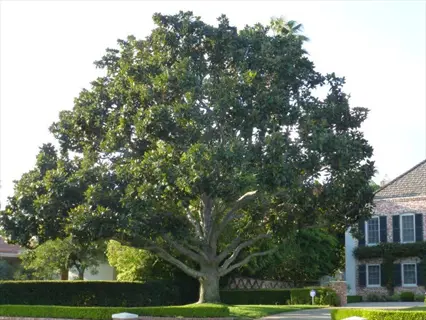
Southern Magnolia (Magnolia grandiflora)
- Mature Size: Reaches 60-80 ft (18-24 m) tall with 30-50 ft (9-15 m) crown spread on good sites within 80-120 years of growth.
- Hardiness: Thrives in USDA hardiness zones 6a through 10b and requires at least 210 frost-free days for healthy growth annually.
- Flowers: Produces creamy white blooms 8-12 inches (20-30 cm) in diameter with intense citrus-lemon fragrance during late spring and early summer.
- Foliage: Evergreen glossy dark green leaves 5-10 inches (13-25 cm) long with distinctive rusty brown tomentose undersides for year-round structure.
- Tolerances: Highly salt tolerant, moderately deer resistant, and documented resistant to sulfur dioxide damage in urban polluted air conditions.
- Best For: Large landscapes seeking a stately specimen shade tree that combines evergreen screening with iconic Southern magnolia flower displays.
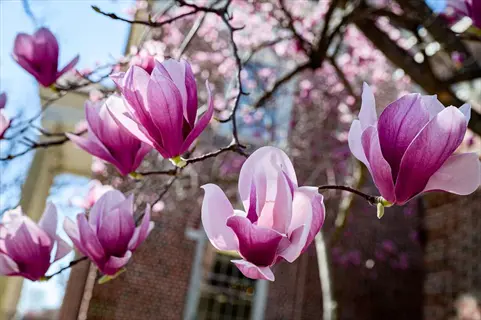
Saucer Magnolia (Magnolia x soulangeana)
- Mature Size: Grows 20-30 ft (6-9 m) tall and 20-30 ft (6-9 m) wide making it ideal for medium-sized residential landscapes.
- Hardiness: Performs reliably across USDA zones 4 through 9 with strong cold tolerance for spring-flowering deciduous magnolia varieties.
- Flowers: Large goblet-shaped blooms in pink, purple, and white tones appear before leaves emerge in very early spring.
- Foliage: Deciduous medium green leaves that turn yellow brown in autumn and drop to reveal architectural branching for winter interest.
- History: Bred by Etienne Soulange Boudin near Paris, France in 1826 from a cross of M. denudata and M. liliiflora.
- Best For: Gardeners wanting dramatic spring color before any other flowering tree fully wakes up to herald the new season.
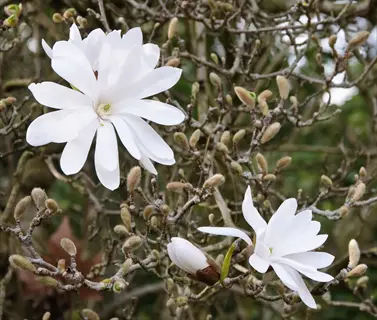
Star Magnolia (Magnolia stellata)
- Mature Size: Compact deciduous tree reaching 15-20 ft (4-6 m) tall and 10-15 ft (3-5 m) wide at maturity.
- Hardiness: Cold hardy across USDA zones 4 through 8 making it one of the most adaptable spring-blooming magnolia options.
- Flowers: Star-shaped white blooms with 12 to 18 narrow tepals open in late winter or very early spring before foliage.
- Foliage: Deciduous medium green leaves 2-4 inches (5-10 cm) long that develop yellow autumn color before dropping.
- Growth Rate: Moderate growth rate averaging 12-18 inches (30-46 cm) per year under ideal soil and moisture conditions.
- Best For: Smaller urban yards, patio containers, and gardeners in northern climates who want an early-blooming spring focal point.
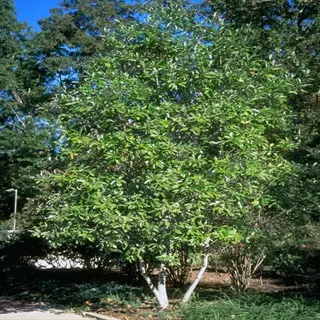
Sweetbay Magnolia (Magnolia virginiana)
- Mature Size: Reaches 10-35 ft (3-11 m) tall depending on climate, growing taller and evergreen in southern parts of its range.
- Hardiness: Suited to USDA zones 5 through 10 with semi-evergreen behavior in transitional zones and deciduous growth in colder zones.
- Flowers: Lemon-scented creamy white blooms 2-3 inches (5-8 cm) wide appear from late spring through summer in repeat flushes.
- Foliage: Glossy dark green leaves with distinctive silvery white undersides that catch breezes for a shimmering visual effect.
- Habitat: Native to wet boggy areas of eastern United States and tolerates poorly drained soils better than other magnolia species.
- Best For: Rain gardens, low-lying landscapes, and naturalistic plantings where most magnolias would struggle with excess soil moisture.
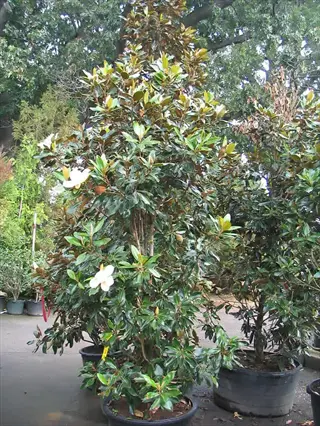
Little Gem Magnolia
- Mature Size: Compact southern magnolia cultivar growing 15-25 ft (5-8 m) tall and 8-12 ft (2-4 m) wide at maturity.
- Hardiness: Performs in USDA zones 7 through 10 with the same evergreen glossy foliage as the parent southern magnolia species.
- Flowers: Smaller creamy white flowers 4-6 inches (10-15 cm) across that begin blooming heavily on young trees within 2-3 years.
- Foliage: Evergreen leaves slightly smaller than the species with the same rusty brown undersides and dense growth habit.
- Growth Habit: Columnar to pyramidal form makes it ideal for tight spaces, screens, and narrow side-yard plantings near homes.
- Best For: Small modern landscapes, narrow planting beds, and homeowners who want classic southern magnolia features in a manageable scale.
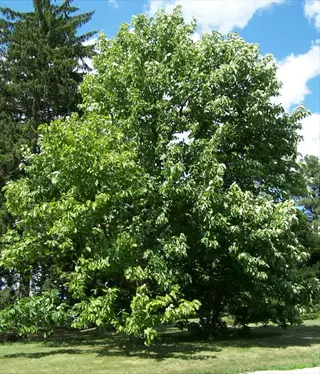
Cucumbertree Magnolia (Magnolia acuminata)
- Mature Size: Largest native magnolia in North America reaching approximately 100 ft (30 m) tall with 36-48 in (91-122 cm) trunk diameter.
- Hardiness: USDA Forest Service identifies it as the hardiest native magnolia and the only species native to Canada thriving in zones 3-8.
- Flowers: Greenish yellow tulip-shaped blooms appear from early April through early July and last only 2-4 days each.
- Foliage: Deciduous oval pointed leaves 6-10 inches (15-25 cm) long that turn golden yellow in fall before dropping.
- Lifespan: Matures at around 100 years and rarely exceeds 150 years according to USDA Forest Service silvics manuals.
- Best For: Large rural properties, cold northern climates, and ecological restoration projects needing a native hardy shade-bearing flowering tree.
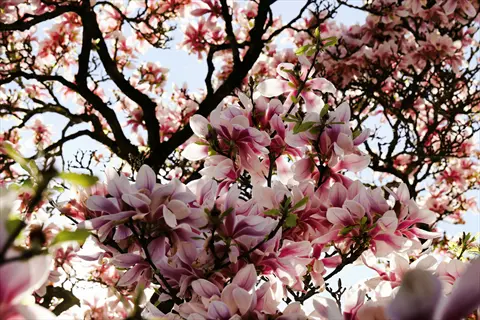
Girl Magnolias (Ann, Betty, Jane, Susan)
- Mature Size: Shrubby deciduous magnolias growing 8-15 ft (2-5 m) tall and wide, ideal for foundation plantings.
- Hardiness: Bred at the United States National Arboretum to bloom later and survive USDA zones 4 through 8 reliably.
- Flowers: Reddish purple to pink star-shaped blooms 5-7 inches (13-18 cm) wide appear in mid spring after frost risk.
- Foliage: Deciduous dark green leaves with bronze undertones that emerge after flowers and provide a tidy backdrop all summer.
- Frost Resistance: Later blooming protects flowers from spring frost damage that often ruins early magnolia displays in northern climates.
- Best For: Mixed shrub borders, smaller suburban gardens, and zones where late spring freezes regularly damage saucer magnolia flowers.
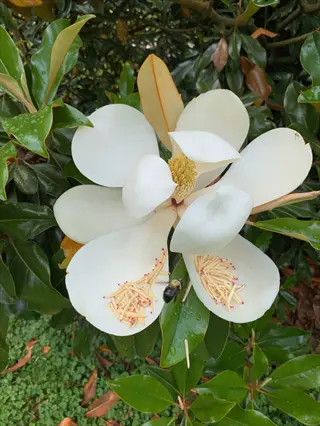
Bracken's Brown Beauty Magnolia
- Mature Size: Reaches 30-50 ft (9-15 m) tall and 15-30 ft (5-9 m) wide with a tight pyramidal canopy form.
- Hardiness: Cold-hardy southern magnolia selection suited to USDA zones 5 through 9 making it accessible to mid-Atlantic gardeners.
- Flowers: Fragrant creamy white blooms 5-6 inches (13-15 cm) wide appear in late spring through summer on mature trees.
- Foliage: Evergreen leaves with deep rusty brown undersides that contrast dramatically against the glossy dark green upper surfaces.
- Growth Habit: Tighter and more compact than wild southern magnolia making it easier to fit into average residential yards.
- Best For: Cooler-climate gardeners who want classic southern magnolia presence with extra cold tolerance and a manageable mature size.
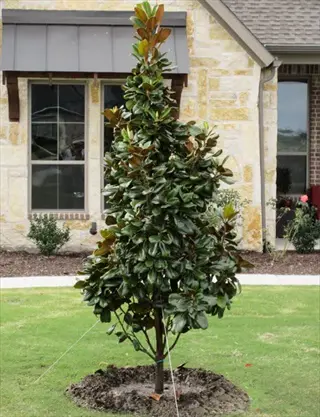
Teddy Bear Magnolia
- Mature Size: Compact southern magnolia cultivar reaching 16-20 ft (5-6 m) tall and 10-12 ft (3-4 m) wide.
- Hardiness: Performs in USDA zones 7 through 9 with dense evergreen foliage that withstands winter wind and ice loads.
- Flowers: Large fragrant creamy white blooms 6-8 inches (15-20 cm) across appear in late spring and summer.
- Foliage: Heavily textured evergreen leaves with extra-thick rusty brown felt on undersides creating dramatic two-tone contrast.
- Growth Habit: Naturally pyramidal upright form requires almost no pruning and maintains a tidy silhouette throughout the year.
- Best For: Modern landscapes, courtyard gardens, and homeowners wanting a southern magnolia tree without the massive scale of the species.
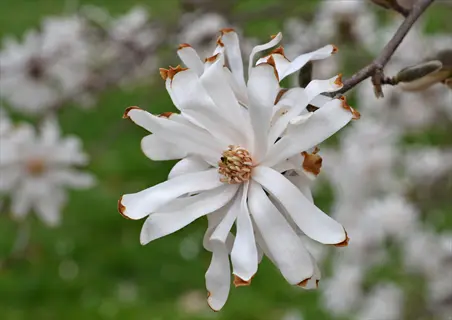
Royal Star Magnolia
- Mature Size: Compact deciduous magnolia growing 10-15 ft (3-5 m) tall and 10-15 ft (3-5 m) wide at maturity.
- Hardiness: Cold-hardy across USDA zones 4 through 9 with pink-blushed flower buds that resist late winter cold spells.
- Flowers: Pure white star-shaped blooms with 25-30 narrow tepals open in late winter for one of the earliest spring displays.
- Foliage: Deciduous medium green leaves that emerge bronze, mature to green, and turn yellow before dropping in autumn.
- Growth Rate: Slow to moderate growth rate of 6-12 inches (15-30 cm) per year requires patience but builds character.
- Best For: Northern gardeners, small-yard owners, and anyone wanting the earliest possible magnolia flowers each spring season.
My picks here come from years of trial in real yards. The Bracken's Brown Beauty stood out for cold zones. The sweetbay magnolia thrived in my wet low spot where nothing else would grow. The cucumbertree grew tall fast and gave my back yard much-needed shade in just 10 years.
Match the tree to your zone before you fall in love with a photo online. A southern magnolia in zone 4 will not make it. A cucumbertree in zone 10 will struggle in the heat. Use this list with the zone chart in the next part to find your fit.
Planting and Site Selection
Planting magnolia trees is simple if you do it right the first time. About 60% of failed plants come from two mistakes. People bury the root flare. Or they dig in heavy clay with no help for drainage. Both kill a young tree fast.
I learned this the hard way in my own front yard back in 2014. I walk every yard like a tour before I plant. I check where the sun rises, where the wind hits, and where the water drains after a heavy rain. The best time to plant magnolia is March, April, October, or November. Mild air and steady soil moisture help roots take hold.
Where to plant magnolia matters as much as how. Pick a spot with rich, moist, well-drained soil. The USDA Forest Service notes that southern magnolia loves low bottom soils of the coastal South. The four steps below show you how to dig and set the root ball the right way.
Choose the Right Site
- Sunlight: Select a location that receives at least 6 hours of direct sunlight per day with afternoon protection from intense heat.
- Drainage: Test drainage by digging a 12 in (30 cm) hole and filling with water, ensuring it empties within 24 hours.
- Wind Protection: Avoid open exposed sites since strong winds can damage the large leaves and fragile spring buds.
- Space: Allow at least 30-50 ft (9-15 m) of clearance from buildings and pavement for southern magnolia varieties.
- Soil Quality: Test soil pH and aim for an acidic to neutral reading between 5.5 and 7.0 for best flower production.
Dig the Planting Hole
- Width: Dig a hole 2-3 times the width of the root ball to give roots loose soil to spread laterally outward.
- Depth: Match the hole depth exactly to the height of the root ball so the root flare sits at ground level.
- Sides: Roughen the sides of the hole with a shovel to prevent glazed walls that can block root penetration.
- Native Soil: Save the excavated soil to backfill and avoid heavily amending the hole, which encourages roots to circle.
- Drainage Check: Refill the hole with water before planting to confirm it drains within a few hours.
Set the Root Ball Properly
- Bare to the Flare: Expose the root flare so the first major roots are visible at the soil surface, never buried.
- Burlap Removal: Cut away burlap, twine, and wire baskets from the upper half of the root ball before backfilling.
- Orientation: Rotate the tree so the strongest branches face prevailing winds for natural structural balance over time.
- Centering: Center the root ball in the hole and check from multiple angles that the trunk stands vertical.
- Stabilization: Backfill halfway, water deeply to settle the soil, then finish backfilling without compacting heavily.
Water and Mulch
- Initial Soak: Water deeply with 10-15 gallons (38-57 L) immediately after planting to settle soil around roots.
- Mulch Layer: Apply 2-4 in (5-10 cm) of shredded bark mulch in a 3-4 ft (1 m) ring around the tree.
- Trunk Clearance: Keep mulch 3-4 in (8-10 cm) away from the trunk to prevent bark rot and rodent damage.
- First Year Watering: Provide 1-2 in (2.5-5 cm) of water weekly during the first year when rainfall is insufficient.
- Stake Only If Needed: Stake only on windy sites and remove ties within one year to allow natural trunk strengthening.
The bare to the flare rule is the one to live by. The root flare is the spot where the trunk widens out into the top roots. It must sit just above the soil line. Bury it and the bark stays wet, which kills the tree over 3 to 5 years.
Dig your planting hole wide, not deep. A wide hole gives the side roots loose ground to spread. A deep hole sets the tree too low. Backfill with the same dirt you dug out. Water it in well. Then mulch a wide ring and keep that mulch away from the trunk.
Climate, Zones, and Soil
Your magnolia hardiness zone drives every other choice you make. A northern winter chill can snap young wood. A coastal salt spray can burn leaves. A southern heat dome can scorch buds. I match each yard to a zone before I pick a tree.
The USDA zones magnolia map shifted north by half a zone in 2023. That means southern magnolia now grows in parts of the lower Midwest where it once died. NC State Extension shows that southern magnolia thrives in USDA zones 6a to 10b. It takes acidic, neutral, and alkaline soil. It also takes full sun to part shade.
Soil pH is the next key. Magnolia soil pH sweet spot sits between 5.5 and 7.0. Test it before you dig. A simple pH kit from a garden store costs about $15 and tells you in 10 minutes. The chart below pairs your zone with the best magnolia varieties to grow.
Cold hardy magnolia picks like the cucumbertree and Royal Star can take zone 3 winters. They lose leaves in fall and ride out the freeze in deep sleep. The southern magnolia keeps its leaves all year, which is why it needs a warmer magnolia climate to thrive.
A small trick I learned helps push a tree past its zone. A full sun magnolia spot near a south wall can pick up extra warmth. The wall stores heat by day and sheds it at night. That free heat may let you grow a Brackens in zone 5 where books say to stop at zone 6.
Care and Maintenance
Magnolia tree care is easier than most folks think once the tree takes root. A mature magnolia needs less work than a fruit tree or rose bush. I have one in my back yard that gets a deep soak in dry weeks and a fresh mulch ring each fall. That is it.
Magnolia maintenance comes down to four jobs across the year. Watering magnolia trees has a right time. So does feeding. So does pruning magnolia wood. So does mulching magnolia beds. The chart below shows you what to do each season. NC State notes that magnolias take soil pH from below 6.0 to above 8.0 and shrug off most deer.
Fertilizer for magnolia should be a slow-release balanced blend put down once in early spring. That single feed carries the tree through the year. Too much food makes weak fast growth that snaps in storms. I learned that the hard way after I lost a top branch in a June storm.
Mulch is your secret weapon all year long. A fresh 2 to 4 in (5 to 10 cm) ring shields feeder roots from heat in summer and cold in winter. It also keeps the lawnmower at arm's length. Mower hits on bark are a top killer of young magnolia trees. Keep mulch a few inches off the trunk to block rot.
Prune as little as you can. Magnolias heal slow and a big cut opens the door to decay fungi. Take out dead or broken wood right after the spring bloom ends. Save bigger shaping for a pro arborist. Your tree will reward you with decades of clean strong growth.
Growth, Lifespan, and Benefits
Plant a magnolia today and you buy decades of beauty, shade, and clean air. The magnolia growth rate is steady, not slow. Most folks just plant young trees and lose patience. I planted a 6 ft southern magnolia in 2014. It now stands 25 ft tall.
How big magnolia trees get depends on species and site. The southern magnolia can hit 60 to 80 ft (18 to 24 m) tall on rich soil. The cucumbertree can reach 100 ft (30 m). The compact Little Gem caps out near 20 ft. Magnolia tree size is your first design choice.
The benefits go far past good looks. Magnolia carbon numbers from UF are wild. One mature southern magnolia stores 4,087 lbs (1,853 kg) of carbon over 20 years. That offsets 16,539 car miles. Now 27 US cities plant southern magnolia for that exact reason.
Annual Growth Rate
- Height: Open-grown southern magnolias add about 1.5 ft (46 cm) per year to age 50 according to USDA Forest Service silvics data.
- Diameter: Trunk diameter grows about 0.3 in (8 mm) per year in open conditions and slows to 0.09 in (2 mm) at maturity.
- Crown Spread: Southern magnolia canopy reaches a final width of 30-50 ft (9-15 m) over its first 50-80 years of life.
- Variety Differences: Compact cultivars like Little Gem add only 8-12 in (20-30 cm) per year compared to species-typical rates.
- First Bloom Age: Southern magnolia produces first reliable flowers at 10 years from seed and reaches optimum seed production at 25 years.
Lifespan Expectations
- Southern Magnolia: Life expectancy ranges 80-120 years on good sites according to University of Florida IFAS forestry data.
- Cucumbertree: USDA Forest Service silvics manuals indicate cucumbertree matures at 100 years and rarely exceeds 150 years.
- Deciduous Magnolias: Saucer and star magnolias generally live 50-100 years with peak flowering performance lasting 30-60 years.
- Decline Signs: Watch for dieback, hollow trunk cavities, and reduced flowering as indicators of late-stage magnolia decline.
- Longevity Boosters: Annual mulching, drought-period watering, and avoiding lawnmower damage extend useful lifespan by 20-30%.
Environmental Benefits
- Carbon Sequestration: A single mature southern magnolia absorbs about 4,087 lbs (1,853 kg) of carbon over 20 years per UF/IFAS.
- Car Mile Offset: That same tree offsets approximately 16,539 car miles (26,617 km) of driving emissions according to i-Tree projections.
- Air Quality: Southern magnolia tolerates and filters sulfur dioxide pollution in urban areas, documented by USDA silvics research.
- Stormwater: Dense evergreen canopy intercepts 1,000-1,500 gallons (3,800-5,700 L) of rainfall annually, reducing runoff and erosion.
- Wildlife Value: Cone-like seed follicles feed cardinals, mockingbirds, and squirrels through autumn while flowers support beetle pollinators.
Beetle Pollination Story
- Ancient Lineage: Magnoliaceae fossils date back about 95 million years to the Cretaceous period, predating the evolution of bees.
- Beetle Partners: Magnolia flowers evolved tough leathery tepals to withstand beetle visits, which crawl and chew rather than sip neatly.
- Protogynous Blooms: Flowers open female-first to receive pollen, then shed their own pollen later to prevent self-pollination.
- Heat Reward: Some magnolia species generate metabolic heat inside their flowers to attract cold-loving beetle pollinators.
- Modern Pollinators: Today bees, flies, and other insects also visit magnolia flowers, but beetles remain the most effective pollinators.
The magnolia lifespan is what makes this tree such a smart buy. A southern magnolia lives 80 to 120 years on a good site. The cucumbertree pushes past 150 years. A saucer or star magnolia rides for 50 to 100 years. Your great-grandkids may sit under the same tree you plant this fall.
The mature height number matters most when you place the tree. Give a southern magnolia at least 30 ft of clearance from the house. Place a Little Gem closer, only 8 to 10 ft out. Pick the right size for the spot and you save yourself a sad pruning job in 20 years.
Pests, Diseases, Problems
Most magnolia tree problems start small and look like nothing for weeks. By the time the tree looks sick, the bug or fungus may have set up shop deep in the wood. I check my own trees once a month. A 60 second scan saves a tree.
Warmer winters have driven a sharp rise in magnolia scale outbreaks in the South. Early catch is more vital than ever. The four big magnolia diseases and magnolia pests in the list below cover what you will see in your yard. Each one has a clear sign and a clear fix.
Magnolia Scale Insects
- Identification: Look for half-inch (1.3 cm) brown to pinkish white waxy bumps clustered along twigs and small branches.
- Damage: Heavy infestations can kill individual branches and weaken or even kill entire trees according to USDA silvics research.
- Sooty Mold: Sticky honeydew secreted by scale insects leads to black sooty mold growth on leaves and underlying surfaces.
- Treatment: Apply dormant horticultural oil in late winter and target crawlers in late summer with insecticidal soap or neem oil.
- Prevention: Inspect new nursery stock carefully and prune out heavily infested branches to reduce population pressure each season.
Leaf Spot Diseases
- Pathogens: Fungal leaf spots are caused primarily by Cladosporium and Colletotrichum species documented by USDA Forest Service research.
- Symptoms: Brown, purple, or black circular spots 0.25-0.5 in (6-13 mm) wide appear scattered across mature leaves in summer.
- Cosmetic Impact: Leaf spot rarely threatens tree health but can disfigure ornamental specimens and trigger premature leaf drop.
- Cultural Control: Rake and dispose of fallen leaves each autumn to break the disease cycle and reduce fungal spore reservoirs.
- Treatment: Apply copper-based fungicide in early spring on susceptible varieties only when leaf spot has been severe in prior seasons.
Heartrot and Wood Decay
- Causes: Heartrot fungi including Fomes and Polyporus species attack older magnolias through pruning wounds and bark injuries.
- Symptoms: Watch for shelf-like fungal conks emerging from the trunk, hollow sounds when tapped, and cavities in larger limbs.
- Risk Factors: Improper pruning that leaves stubs, lawnmower bark damage, and storm-broken limbs create entry points for decay fungi.
- Prevention: Always prune just outside the branch collar without leaving stubs and protect the trunk with a 3 ft (1 m) mulch ring.
- Management: Hire a certified arborist to assess hollow trees since structural risk grows as decay advances and major limbs weaken.
Frost and Wind Damage
- Bloom Loss: Late spring frosts at 28°F (-2°C) can brown and ruin entire crops of early magnolia flowers.
- Cold Limit: Southern magnolia rarely tolerates temperatures below 15°F (-9°C) per USDA Forest Service silvics data.
- Wind Burn: Cold winter winds desiccate evergreen magnolia leaves, causing browning along leaf margins and tip dieback.
- Site Selection: Plant in a sheltered location with morning shade in cold zones to delay bud break past frost risk.
- Recovery: Trees usually recover from one season of bloom loss but repeated damage signals the variety is mismatched to the zone.
Magnolia leaf spot scared me at first. I saw brown dots all over my saucer magnolia and thought I would lose it. Then I read the NC State guide. Leaf spot is mostly a cosmetic issue. Rake and bag the fallen leaves each fall. That breaks the cycle and the tree shrugs it off.
Root rot magnolia problems trace back to bad drainage 90% of the time. Heavy clay holds water on the root ball and the fine feeder roots drown. Test your drainage before you plant. If the test hole still holds water after 24 hours, build a raised berm or pick a sweetbay magnolia that loves wet feet.
Heartrot is the slow killer of old magnolias. Big pruning cuts and mower hits let the fungi inside. Never cut a flush stub. Always cut just outside the branch collar. Keep mowers and string trimmers a full 3 ft (1 m) away from the trunk and you will dodge most decay.
History and Symbolism
The magnolia history reads like a long quiet biography. Your magnolia was here before the bee. Your magnolia was here before the rose. Your magnolia was here before the asteroid wiped out the dinosaurs. Fossils place this ancient flowering tree back 95 million years in your yard.
From those old forests, your magnolia made its way to royal gardens, White House lawns, and your modern wedding bouquets. The genus holds 210 to 340 species today. They grow on warm and cool ground across many regions. You should know this story if you grow a magnolia in your yard.
Ancient Botanical Origins
- Fossil Record: Magnoliaceae fossils trace back about 95 million years to the Cretaceous period, predating bees and most modern flower families.
- Beetle Pollination: Because they evolved before bees, magnolias developed tough leathery tepals to withstand visits from heavy beetle pollinators.
- Continental Range: Native magnolia species span North America, the Caribbean, Central America, South America, and East and Southeast Asia today.
- Species Count: Modern taxonomy recognizes roughly 210-340 species depending on whether broad or strict-sense classification is applied.
- Survival: Magnolias survived the asteroid impact that ended the age of dinosaurs and have changed surprisingly little in millions of years.
Naming and Discovery
- Pierre Magnol: The genus honors French botanist Pierre Magnol (1638-1715), director of the Royal Botanic Garden at Montpellier, France.
- Charles Plumier: Botanist Charles Plumier introduced the name Magnolia in 1703 after encountering the Caribbean species M. dodecapetala.
- Linnaeus: Carl Linnaeus formally adopted the name in his 1753 Species Plantarum, anchoring magnolia in scientific botanical literature.
- Early Hybrids: Etienne Soulange Boudin bred the saucer magnolia near Paris in 1826, producing one of horticulture's most popular hybrids.
- Modern Breeding: The Girl Magnolias series was bred at the United States National Arboretum in the 1950s for late frost-resistant blooms.
American Cultural Heritage
- Mississippi: Southern magnolia serves as both the state flower and state tree of Mississippi, earning it the nickname Magnolia State.
- Louisiana: The magnolia is also the official state flower of Louisiana, recognizing its abundance in southern Gulf Coast landscapes.
- White House: President Andrew Jackson reportedly planted a southern magnolia at the White House in memory of his late wife Rachel.
- Southern Identity: Magnolia imagery anchors Southern American literature, film, and music as a symbol of enduring grace and resilience.
- Modern Branding: Contemporary brands from Magnolia Bakery to Magnolia Network use the flower to evoke warmth, family, and hospitality.
Global Symbolism
- Europe: European traditions associate the magnolia with nobility, dignity, perseverance, and refined feminine beauty.
- East Asia: In China the Yulan magnolia historically symbolized purity and was planted on the grounds of imperial palaces.
- North Korea: Magnolia sieboldii serves as the national flower of North Korea, often appearing on coins and government emblems.
- Weddings: Western wedding traditions feature magnolia blossoms in bouquets and centerpieces as emblems of love and longevity.
- Sympathy: Magnolia is sometimes included in sympathy and funeral arrangements as a sign of eternal bond and lasting memory.
Your magnolia's name comes from Pierre Magnol, a French plant scholar. He ran the Royal Botanic Garden in Montpellier. He died in 1715. His friend Charles Plumier picked his name to honor him in 1703. Carl Linnaeus made the name official in 1753. So every time you say magnolia, you say his name out loud.
Your magnolia symbolism runs deep across many lands. In Europe your flower stands for noble grace and quiet strength. In China the Yulan magnolia stood for clean purity in palace yards. In North Korea it serves as the national flower today. The same bloom carries each culture's own magnolia meaning.
Closer to your home, the magnolia state flower title belongs to both Mississippi and Louisiana. President Andrew Jackson planted one at the White House in memory of his wife Rachel. I always think of that tree when I plant mine. It stood for nearly 200 years before it was taken down in 2017. Quite a run for one tree.
5 Common Myths
Magnolia trees only grow in the warm climates of the American South and cannot survive northern winters.
Cucumbertree magnolia thrives in USDA zones 4-5 and is the only magnolia species native to Canada, proving cold hardiness.
Magnolia flowers are pollinated by bees and rely on them to produce their large fragrant blooms.
Magnolias evolved 95 million years ago before bees existed and are primarily pollinated by beetles to this day.
Magnolia trees grow very slowly and take a lifetime to reach a meaningful landscape size.
Open-grown southern magnolias add about 1.5 feet (46 cm) per year in height, reaching mature size within 50 years.
All magnolia trees keep their large green leaves year round just like the iconic southern magnolia.
Many popular magnolias such as saucer, star, and cucumbertree are deciduous and drop their leaves every autumn.
Magnolia trees are too delicate to handle pollution and will not survive in urban environments.
Southern magnolia is documented as resistant to sulfur dioxide damage and tolerates urban conditions remarkably well.
Conclusion
A magnolia tree is one of the smartest yard buys you will make. You join 95 million years of plant history when you plant one. The USDA Forest Service calls these trees time-tested. A southern magnolia lives 80 to 120 years on a good site. A cucumbertree can push past 150 years.
Pick your magnolia varieties by zone first. Cold zones 3 to 5 call for cucumbertree or Royal Star. Zones 6 to 8 fit star, saucer, and Brackens. Zones 9 to 10 belong to southern magnolia, Teddy Bear, and Little Gem. Match the tree to the spot and you save years of fix-up work.
Your magnolia care plan stays simple after year one. Mulch a wide ring each fall. Soak deep in dry weeks. Feed once each spring. Prune as little as you can. Watch for scale and leaf spot once a month. That is the whole magnolia growing guide for a healthy mature tree.
Planting magnolia trees today gives you decades of beauty and shade. I planted my own southern magnolia in 2014 and it now towers over my house. Each tree pulls 4,087 lbs (1,853 kg) of carbon from your air over 20 years. Your flowering tree will outlast trends, fences, and even some homes on your block. Plant one this season and you give your future self a gift.
External Sources
Frequently Asked Questions
What is special about a magnolia tree?
Magnolia trees are among the oldest flowering plants on Earth, with fossils dating back 95 million years and beetle-pollinated blooms that predate bees.
What are the cons of a magnolia tree?
Common drawbacks of magnolia trees include:
- Heavy leaf and petal drop creates ongoing yard cleanup
- Shallow surface roots can interfere with lawns and pavement
- Slow recovery from heavy pruning or transplant shock
- Susceptibility to magnolia scale and leaf spot diseases
Where does a magnolia tree grow best?
Magnolia trees grow best in rich, moist, well-drained acidic soils with full sun to partial shade and protection from harsh winter winds.
What does the magnolia symbolize in Europe?
In Europe, the magnolia symbolizes nobility, dignity, perseverance, and feminine beauty, often associated with purity and the natural world.
Are magnolia trees hard to grow?
Magnolia trees are generally not hard to grow when planted in the right zone with proper soil, sun exposure, and consistent moisture during establishment.
How many years does it take to grow a magnolia tree?
A magnolia tree typically takes between 10 and 25 years to reach mature flowering size depending on the species and growing conditions.
Are magnolias poisonous to touch?
Magnolia trees are not poisonous to touch and the bark, leaves, and flowers are safe to handle for humans and most pets.
Is magnolia low maintenance?
Magnolia trees are considered relatively low maintenance once established, requiring only seasonal mulching, occasional watering, and minimal pruning.
Do magnolias flower every year?
Most healthy magnolia trees flower every year once they reach maturity, though late frosts or improper pruning can reduce or eliminate seasonal blooms.
What month is best to plant a magnolia tree?
The best months to plant a magnolia tree are March, April, October, or November when temperatures are mild and soil moisture is consistent.