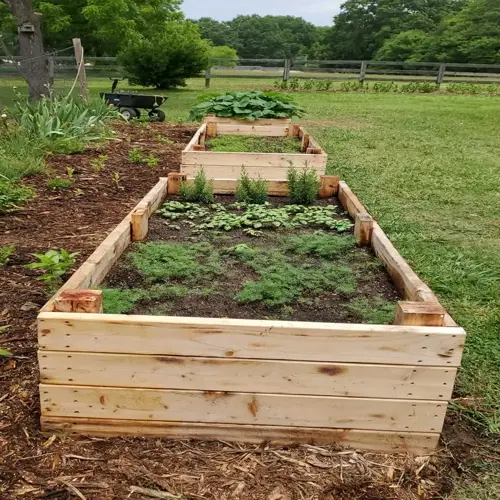

The clay patch behind my back kitchen window sinks under my boot now, soft enough to plant carrots straight into it. One season of cardboard and woodchips did most of the work, and a single pass with a broadfork finished it. I never ran a tiller over it. For years I hacked at that same ground with a spade and got nowhere. The best tiller alternatives are simple: a broadfork, a silage tarp, deep-rooted cover crops, and a thick layer of mulch.
A broadfork solves compaction better than a tiller does. You step the wide tines into the soil, rock the handles back, and the ground lifts and cracks open along its own seams. The dirt stays in layers. It does not get flipped, chopped, or thrown into the air the way a tiller throws it.
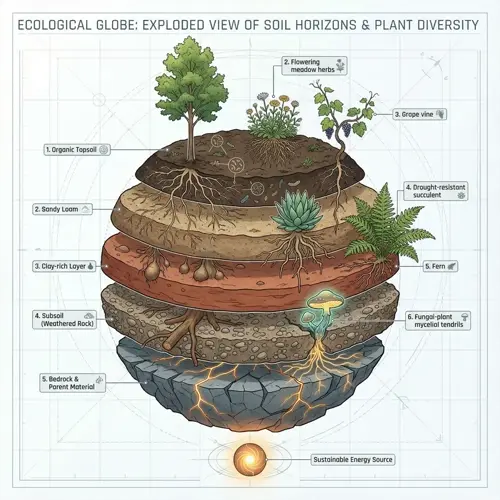
That difference matters more than it sounds. A tiller shreds your soil into a fine powder and kills the fungal threads and worm tunnels that hold structure together. A broadfork leaves all of that alive. You get air and drainage down to 12 inches deep without wrecking the living network underneath. Your soil stays loose for years instead of crusting over after the first hard rain.
Each tool here has one clear job, so match it to your problem:
Broadfork
- Best for: Hard, compacted ground that water pools on top of.
- How it works: Lifts and fractures the soil down to 12 inches without turning it over.
- Why it wins: Keeps worms, roots, and fungal structure intact so the looseness lasts.
Silage Tarp
- Best for: Killing grass and weeds before you plant a new bed.
- How it works: A black tarp blocks light and traps heat, so weeds die and seeds rot in place.
- Why it wins: Clears a bed in 3 to 6 weeks with zero digging and no chemicals.
Deep-Rooted Cover Crops
- Best for: Loosening subsoil over a full season without lifting a tool.
- How it works: Plants like tillage radish drill thick roots straight through hard layers.
- Why it wins: The roots rot in place and leave open channels for air and water.
Deep Mulch
- Best for: Keeping soil soft year after year once it is loose.
- How it works: Woodchips or straw feed soil life and stop the surface from crusting.
- Why it wins: Worms pull the organic matter down and do the tilling for you.
A silage tarp is the easiest fix for a weedy patch you want to plant next month. You lay the black plastic over the area, weigh down the edges, and wait. The dark surface bakes the ground and starves every weed of light. Pull it back in a few weeks and you have a clean bed with no roots to dig out.
Cover crops handle the deepest work and ask the least of you. Penn State Extension points to deep-rooted species like tillage radish that send roots far into packed ground and break it up from the inside. The roots die over winter and rot away, and they leave behind open channels that air and water flow through. You get your loosening done by the plant instead of by a machine.
Deep mulch keeps your whole system going once the soil is soft. A thick layer of woodchips or straw stops the surface from crusting and feeds the worms that keep tunneling. Every season your bed gets a little looser on its own. That is the same cardboard-and-woodchip routine that turned my clay patch around.
On cost, a broadfork pays for itself fast. A good one runs $150 to $200 and lasts a decade or more with no engine, no gas, and no parts to break. Renting a tiller costs $60 to $90 a day, and most beds need more than one visit a year. Two or three rentals and you have already spent what the broadfork costs. Buy the broadfork once and skip the rental counter for good.
Read the full article: No Till Gardening: A Complete Guide