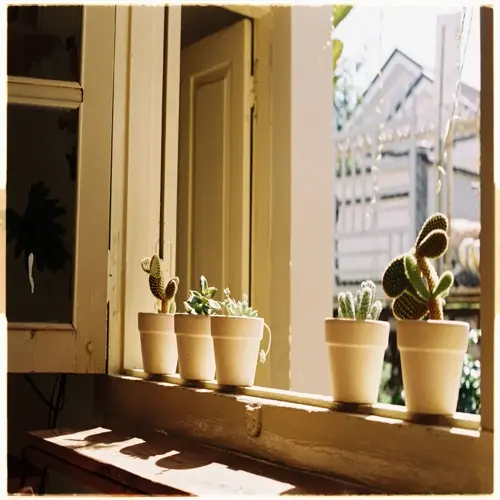

An overwatered succulent looks soft, yellow, and see-through. The clearest overwatered succulent signs are easy to feel. Press a leaf and it goes mushy. The stem turns dark or slimy near the soil. Leaves drop at the lightest touch. Healthy succulents feel firm and plump, so any sponginess is your first red flag. These early signs of overwatering succulents show up at the base before they climb upward. Once you know the overwatered succulent look, you can catch it fast.
The beads on my first string of pearls turned soft and glassy in about two weeks. They had been firm and green when I set the plant in a cute glazed pot with no drainage hole on my south-facing windowsill. One by one the beads went translucent, then flattened, then squished between my fingers like overripe grapes. When I pulled the plant out, the soil was a black, sour swamp. The whole strand had drowned in standing water I never saw.
Here is what goes wrong below your soil. Roots need air as much as they need water, and waterlogged soil pushes all the air out. The roots suffocate and start to rot, which is the start of succulent root rot. Once your roots die, they can no longer move water through the plant or hold it steady. That is why the trouble you see above the soil starts down here.
That breakdown is why the leaves look the way they do. A succulent stores water in its tissue. Rotted roots cannot regulate that supply anymore. So the cells swell, burst, and lose their color. The Iowa State Extension ties three symptoms to too much water. You will see yellowing, mushy leaves, and translucent or collapsing stems. The damage tends to climb from the bottom of the plant toward the top.
- Leaves feel soft, mushy, and squishy.
- Color turns yellow or clear, not green.
- Stems look dark, slimy, or collapsed.
- Leaves fall off at the lightest touch.
- Leaves feel wrinkled and slightly dry.
- Lower leaves shrivel and turn crisp.
- The plant looks deflated but stays firm.
- Leaves perk back up after a deep drink.
Do not mix up these two problems, because the fix for each is the opposite. A thirsty plant gets wrinkled, dry lower leaves. They pucker like a raisin, and they perk back up fast once you water them. An overwatered one goes the other way. It swells soft and clear, and more water only speeds the rot. When in doubt, squeeze a leaf. Soft and wet means you should stop watering. Thin and crinkly means it is thirsty.
You can still save a soggy succulent if you move fast. Stop watering it right away and pull the plant out of its wet soil so you can see the roots.
Lift the plant out and brush off the soggy soil so you can see which roots are black and mushy versus firm and pale.
Use clean scissors to trim off every dark, slimy root and any mushy part of the stem until only firm, healthy tissue is left.
Set the trimmed plant in a dry, shaded spot for 3 to 5 days so the cuts dry over and seal before they touch any soil.
Put it in a gritty, fast-draining mix in a pot with a drainage hole, then wait about a week before the first light watering.
Going forward, fix the drainage so you never see these overwatered succulent signs again. Always use a pot with a hole in the bottom. Pick a soil mix made for cactus or succulents, since regular potting soil holds far too much water. Water your plant only when the soil is fully dry. Then soak it and let it drain out all the way. Your succulent can handle a missed drink. It will not handle a swamp.
Read the full article: Succulent Plants: Complete Care Guide