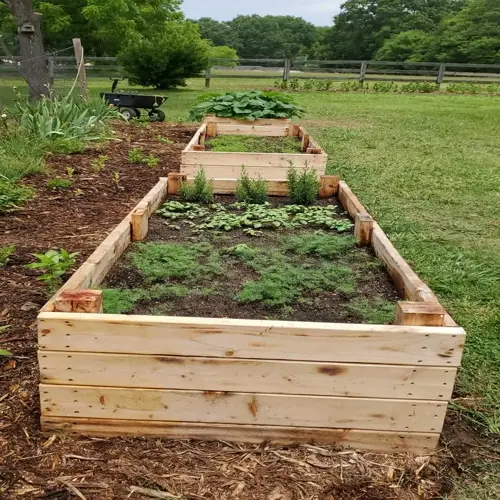

The sandy-loam bed by my back fence gave me thin, struggling crops one summer, with stunted tomatoes and beans that yellowed weeks before harvest. The plants sat in good compost and got plenty of water, so nothing about the poor harvest made sense. A soil meter finally read 5.4, which told me my soil pH too low was the real cause. When pH drops below about 5.5, nutrients lock up, soil microbes slow down, and toxic metals start to appear.
Acidic soil creates a chain of trouble that builds on itself. Your roots can sit in a bed full of food they simply cannot reach. Most of the common acidic soil problems trace back to this one shift in chemistry, and they tend to show up together. Once you understand the chain, your odd symptoms start to make sense.
The first hit lands on your nutrients. Once pH falls below 6.0, phosphorus, nitrogen, and potassium all become harder for your roots to take up. Calcium and magnesium drop too, which is why your leaves turn pale and growth stalls. The food is right there in the soil, but the acidity binds it tight. Your plants starve in the middle of plenty, and no amount of extra feeding changes that.
The living part of your soil suffers next. Below pH 5.5, the bacteria and fungi that break down organic matter slow way down. These microbes feed your plants by turning compost and old roots into food your roots can use. When they stall, the whole cycle that keeps soil healthy grinds to a near halt. Your compost just sits there instead of feeding the bed.
Then comes the part that does real damage. Strong acidity frees up metals in your soil and pushes them to toxic levels. The three to watch are aluminum, manganese, and iron. Aluminum toxicity soil burns and stunts root tips, so your roots stay short and cannot pull in water or food. The more your pH falls, the more these heavy metals dissolve and move through the bed. That mobility makes the harm spread fast from one plant to the next.
You can spot the warning signs above ground long before you test. Look for pale or purple leaves, weak stunted growth, and crops that never fill out no matter how much you feed them. My fence bed showed all three, and feeding it more only wasted the fertilizer since the roots could not use it anyway.
Where you garden makes some plots more likely to drift acidic than others. Sandy beds like my fence row lose calcium and magnesium fast because rain washes them straight through. Heavy rainfall, pine needles, and years of acidic fertilizer all pull your numbers down over time. If your bed checks every box for good care but still falls short, your pH is the first thing you should test. A cheap meter or a mail-in test gives you the number in minutes, and that number tells you whether acidity is the problem.
The fix is the opposite of elemental sulfur, which gardeners use to make soil more acidic. To raise a low pH, you add lime, but only after a soil test tells you the real number and how much to use. Correction runs slow, so spread lime ahead of the next season and give it months to work. My fence bed bounced back the year after I limed it, with thick green plants that finally filled the space.
Read the full article: Soil pH Testing: A Clear, Accurate Guide